
Tools
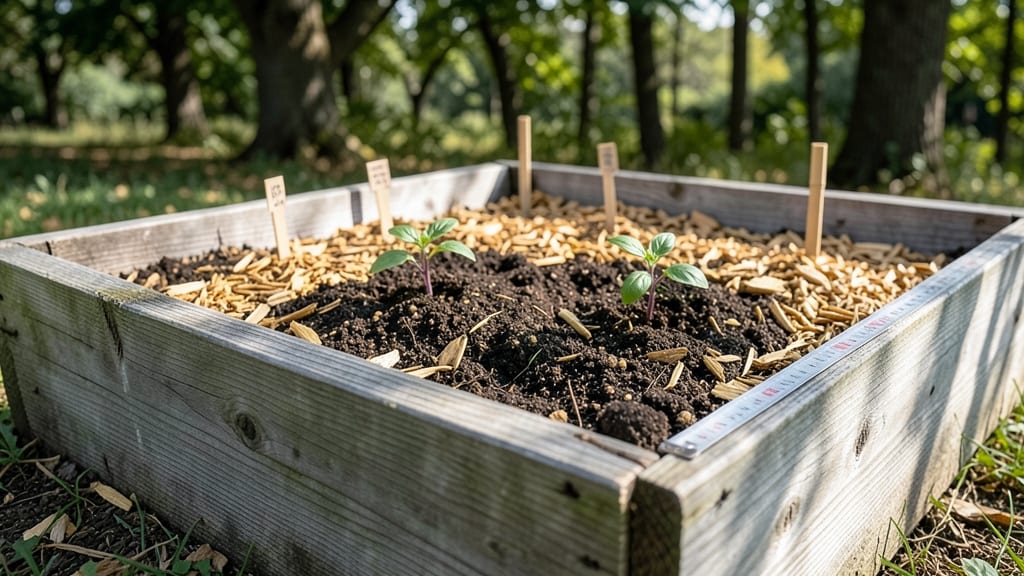
The most effective standard raised garden bed size is 4 feet wide by 8 to 12 feet long, with a depth of 6 to 12 inches, designed to maximize plant health, accessibility, and soil efficiency.
These dimensions strike the perfect balance between reachability and space utilization. A 4-foot width lets you easily tend plants from all sides without stepping inside, while lengths of 8 to 12 feet provide ample growing area without overwhelming small yards.
The 6- to 12-inch depth ensures proper root development for most vegetables and herbs, though deeper beds (12+ inches) work better for root crops like carrots or potatoes. 🌱 What's interesting is how these proportions also improve water retention and temperature regulation compared to ground-level planting.
💡 In This Article
- Why Standard Raised Bed Dimensions Boost Plant Growth
- Choosing Raised Garden Bed Sizes for Your Space and Plants
Why standard raised bed dimensions boost plant growth
The 4-foot width of standard raised beds is a game-changer for soil health and plant access. This dimension creates an ideal "working width" that lets you reach the center from either side without stepping inside, which reduces soil compaction from foot traffic.
Studies show that compacted soil reduces root growth by up to 30%—so this width ensures roots expand freely. The 4-foot rule also maximizes soil exposure to sunlight on both sides, creating more even growing conditions than narrower beds.
Depth plays a critical role in root development and water retention. A 6- to 12-inch depth provides enough space for most vegetables (like lettuce or basil) to establish strong roots while preventing waterlogging.
For root crops like carrots or potatoes, you'll want 12+ inches—deeper beds allow these plants to grow fully without hitting hardpan or rocks. The extra depth also creates a larger soil volume, which means better temperature regulation and moisture retention during dry spells.
Length matters too, but differently than width or depth. While 8- to 12-foot lengths maximize space efficiency, they also create a "long bed effect" that improves water distribution. Water applied at one end naturally travels along the length, reducing evaporation and ensuring even moisture distribution.
This is why longer beds often require fewer irrigation sessions than multiple smaller beds. 🌱 The key is balancing length with your space—too long, and you'll struggle with weeding or harvesting from the far end.
Common mistakes include beds that are too wide (over 4 feet) or too shallow (under 6 inches). Wide beds force you to step inside, compacting soil and creating maintenance headaches.
Shallow beds limit root growth and struggle with drought—something I learned the hard way with my first tomato plants! The standard dimensions exist because they solve these practical problems while maximizing yield per square foot.
Another advantage of these dimensions is how they affect soil fertility. Raised beds warm up faster in spring (thanks to their depth) and retain heat better than ground soil. This extended growing season lets you plant earlier and harvest later.
The 4-foot width also makes it easier to rotate crops annually—a critical practice for preventing soil-borne diseases and nutrient depletion.
For example, a 4x8-foot bed gives you about 20 cubic feet of soil volume, enough for roughly 16 plants spaced 18 inches apart. That's nearly double the yield of a comparable in-ground area!
The dimensions work because they're designed around human reach, plant biology, and soil physics—making them the gold standard for home gardens.