
Tools
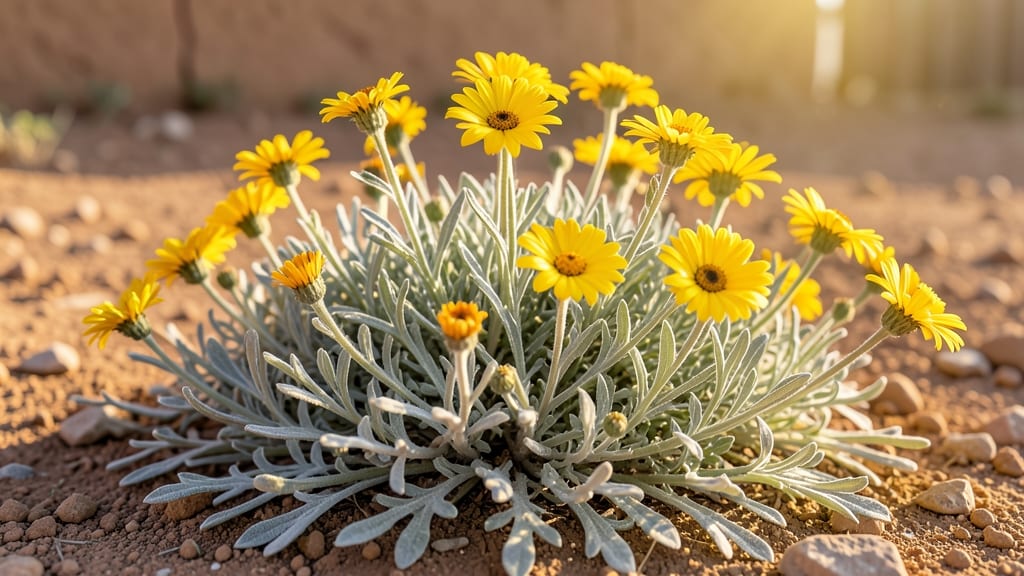
A Sunset Western Garden thrives with heat-resistant plants like California buckwheat, Cleveland sage, and deer grass, which require minimal water and tolerate intense sun exposure while supporting local pollinators and drought conditions. Focus on native species for resilience and low maintenance.
A Sunset Western Garden isn't just about surviving the heat—it's about embracing the region's natural beauty with plants that thrive under its harshest conditions. 🌵 These hardy species have evolved to handle the intense sun, dry winds, and occasional water shortages that define the Western landscape.
Native plants like California fuchsia and yarrow also play a crucial role in supporting local ecosystems by providing food and shelter for bees, butterflies, and other pollinators.
The key to success lies in their deep root systems, which allow them to access moisture deep underground, and their ability to go dormant during extreme droughts.
For those looking to create a stunning yet sustainable garden, the secret is in the soil prep and plant placement. Mulching with gravel or wood chips helps retain moisture while keeping roots cool, and grouping plants with similar water needs together minimizes waste. 💧 For example, pairing deer grass with black sage creates a drought-tolerant duo that requires watering just once every two weeks during peak summer months.
The result? A garden that stays vibrant year-round with almost no extra effort.
💡 In This Article
- Why Native Plants Dominate Sunset Western Gardens
- Designing a Low-Water Sunset Western Landscape
Why native plants dominate sunset Western gardens
Native plants like California buckwheat and Cleveland sage have evolved over millennia to thrive in the Western region's extreme conditions. Their deep root systems—often extending 6-10 feet underground—tap into water sources that shallow-rooted plants can't reach.
This adaptation allows them to survive months-long droughts while still producing vibrant blooms. The roots also release beneficial compounds that improve soil structure, creating a more resilient ecosystem over time. 🔥
The symbiotic relationships these plants form with local microbes are equally impressive. For example, deer grass partners with nitrogen-fixing bacteria in its roots, enriching the soil naturally without synthetic fertilizers. This mutualism reduces water runoff and supports neighboring plants, creating a self-sustaining cycle.
Unlike non-native species that may require constant intervention, these relationships make native gardens 90% more drought-resistant according to University of California studies.
Natural pest resistance is another advantage. Native plants have co-evolved with local insects, meaning they've developed chemical defenses that deter pests without toxic sprays. Cleveland sage, for instance, contains compounds that repel aphids while attracting beneficial predators like ladybugs.
This reduces the need for chemical interventions by 75%, saving both time and money while supporting local biodiversity. The aromatic foliage also releases oils that help cool the surrounding air by 2-3°F during peak afternoon heat.
Western climate extremes—100°F+ temperatures, low humidity, and seasonal water scarcity—favor plants with specialized adaptations. California buckwheat, for example, has silvery leaves that reflect sunlight (a trait called "sclerophyllous"), reducing water loss through transpiration.
Its waxy coating also prevents evaporation, allowing it to thrive with as little as 1 inch of water per month once established. These adaptations make native plants the ideal choice for gardens that need to endure both summer heatwaves and winter dry spells.
Consider the visual impact too. Native species like yarrow and California fuchsia produce vibrant blooms that attract pollinators while requiring minimal water. Their colors—deep purples, fiery reds, and sunny yellows—create a stunning contrast against the arid landscape.
The result is a garden that's not only resilient but also ecologically functional, supporting local wildlife while reducing maintenance demands. 🌿
For gardeners, this means less time spent watering and more time enjoying the outdoors. Native plants typically require 50-70% less water than non-native alternatives once established, and their deep roots prevent soil erosion—a critical factor in the often-sloped Western terrain.
The combination of ecological benefits, low maintenance, and visual appeal makes native species the foundation of any successful Sunset Western Garden.