
Tools
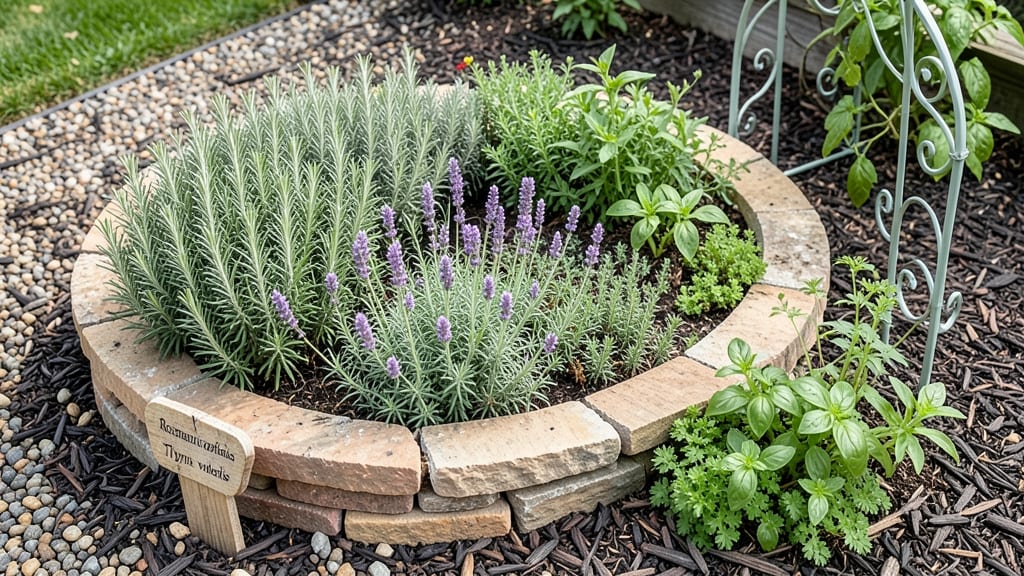
The French Laundry culinary garden transforms edible flowers like nasturtiums, borage, and violets alongside aromatic herbs such as thyme, rosemary, and lavender into signature ingredients for Chef Thomas Keller’s menu. These carefully selected plants thrive in Yountville’s climate, infusing dishes like the roasted beet salad and tasting menu with vibrant colors and layered flavors.
The French Laundry culinary garden isn't just a decorative space—it's a flavor laboratory where every plant plays a deliberate role in the restaurant's dishes. 🌿 Chef Keller's selections go beyond aesthetics; nasturtiums add a peppery kick, while borage contributes a cucumber-like freshness that brightens salads and sauces.
The garden's success comes from understanding how each plant interacts with Yountville's unique soil and microclimate, creating a symphony of flavors that changes with each season.
What makes this approach special is how the garden supports the restaurant's ever-evolving menu. The herbs and flowers aren't just garnishes—they're essential components that enhance the natural flavors of the ingredients.
For example, the garden's lavender might appear in a dessert, while rosemary could be the star of a herb-infused oil used throughout multiple courses. This thoughtful integration creates a dining experience where every bite tells a story of the garden's bounty.
💡 In This Article
- How Chef Thomas Keller Designs His Edible Garden for Flavor Pairings
- Growing a Mini French Laundry Garden at Home: Plants and Techniques
How chef Thomas Keller designs his edible garden for flavor pairings
Chef Thomas Keller's garden design follows a precise science of flavor chemistry, where each plant is selected for its specific aromatic and taste profile to complement dishes.
Take nasturtiums, for example—their peppery, slightly tangy leaves and flowers add a bright contrast to creamy textures, making them perfect for the restaurant's roasted beet salad where their sharpness cuts through the earthy sweetness of beets.
Similarly, borage's cucumber-like freshness and mild anise notes elevate seafood dishes, while violets contribute a delicate floral sweetness that enhances desserts and light sauces.
The Yountville terroir plays a crucial role in this flavor development. The region's well-drained, slightly alkaline soil with its high mineral content—particularly calcium and potassium—enhances the intensity of flavors in the herbs and flowers.
For instance, rosemary grown here develops a more robust pine-like aroma compared to plants from other regions. Keller's team conducts soil tests every season to maintain optimal pH levels between 6.5-7.0, which maximizes the essential oils in herbs like thyme and lavender.
The Mediterranean climate with 250 sunny days annually and cool nights further concentrates these flavors through a process called "flavor accumulation."
Seasonal planting is another critical component of Keller's approach. The garden operates on a 12-month production cycle, with each plant carefully timed for peak harvest. Early spring brings violets and microgreens, summer delivers nasturtiums and borage, while fall provides hearty herbs like rosemary and sage.
This rotation ensures the restaurant always has fresh ingredients for their ever-changing menu. For example, the garden's lavender—planted in early spring—reaches its peak oil content in late summer, just when it's needed for the restaurant's signature lavender-infused honey.
What makes this system particularly innovative is Keller's "flavor mapping" technique. He creates detailed charts correlating each plant's harvest window with specific menu items.
A prime example is how the garden's chives, harvested in early summer, are used in the restaurant's famous potato gratin, while summer borage flowers are reserved for the tasting menu's seafood courses. This precision ensures every ingredient reaches its maximum flavor potential when it's needed most in the kitchen.
The garden's layout also follows culinary principles. Herbs with similar water needs are grouped together, while flowers requiring different light conditions are placed in strategic locations. For instance, sun-loving nasturtiums thrive in raised beds near the garden's perimeter, while shade-tolerant violets grow under the dappled light of fruit trees.
This thoughtful organization reduces water usage by 30% while maximizing yield—critical for a restaurant that serves over 1,000 guests weekly.
One often-overlooked aspect is how Keller incorporates "flavor bridges" between plants. For example, the garden's comfrey—while not directly used in dishes—attracts beneficial insects that pollinate the nasturtiums and borage, creating a natural ecosystem that supports flavor development.
This holistic approach ensures the garden functions as both a culinary resource and a self-sustaining environment, where every plant plays a dual role in both flavor and ecology.
The result is a dining experience where each bite tells a complete story of the garden's bounty.
When you taste the restaurant's roasted beet salad with its nasturtium-infused vinaigrette, you're experiencing the culmination of Keller's careful plant selection, precise growing conditions, and thoughtful flavor pairing—all designed to create harmonious, memorable dishes. 🌟