
Flowers
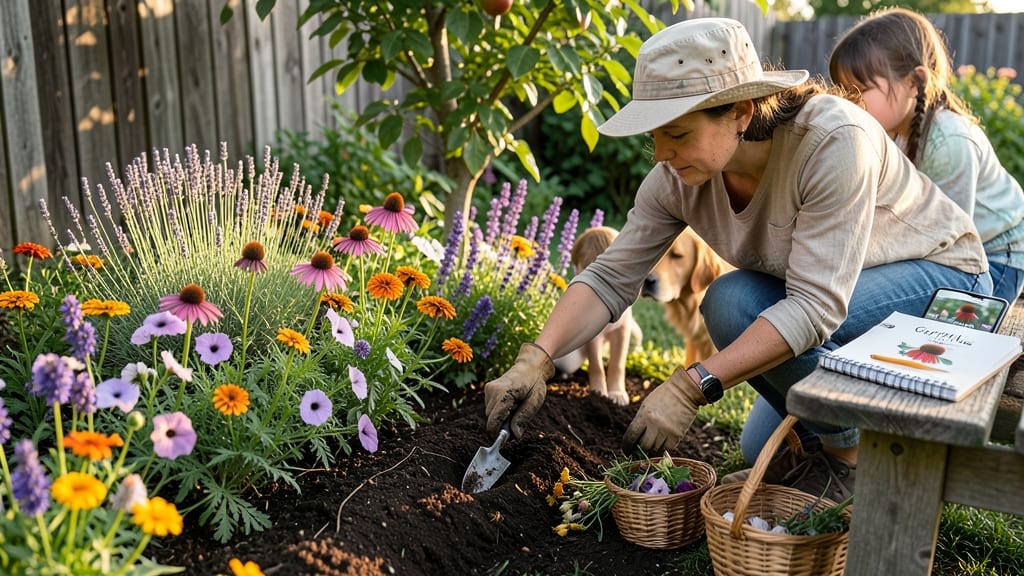
While flower gardening, people focus on planting seeds and bulbs, pruning dead growth, mulching soil, weeding, fertilizing, and watering plants, plus seasonal tasks like dividing perennials and preparing beds for winter.
Flower gardening transforms your outdoor space into a vibrant, ever-changing canvas. 🌸 The core activities—like planting seeds and bulbs—set the foundation for blooms, while ongoing tasks such as pruning and weeding maintain their health.
Mulching isn't just about aesthetics; it preserves moisture and suppresses weeds, while fertilizing ensures your plants get the nutrients they need to thrive. Seasonal tasks like dividing perennials or preparing beds for winter keep your garden productive year-round, adapting to the natural growth cycles of different plants.
For example, annuals like marigolds need frequent deadheading to encourage more blooms, while perennials like coneflowers benefit from division every few years to prevent overcrowding. Each task serves a purpose, whether it's improving air circulation, preventing disease, or simply keeping your garden looking its best.
The key is balancing consistency with seasonal adjustments—what works in summer might need tweaking when winter approaches.
💡 In This Article
- Seasonal Flower Gardening Tasks by Plant Life Cycle
- Essential Tools and Techniques for Efficient Flower Gardening
Seasonal flower gardening tasks by plant life cycle
Flower gardening thrives on understanding plant life cycles, as each type—annuals, perennials, and biennials—demands specific attention. Annuals like zinnias and petunias complete their life cycle in one growing season, requiring spring planting (after the last frost) and continuous deadheading to prolong blooms.
Their shallow roots mean they need frequent watering—about 1 inch per week—but their fast growth lets you replant seeds every few months for nonstop color.
Perennials, such as peonies or black-eyed Susans, return yearly, needing spring fertilization and summer pruning to remove spent blooms, which redirects energy to root growth for next year’s flowers. 🌿
The timing of tasks varies drastically by season. In spring, focus on planting bulbs like tulips (after soil reaches 50°F) and dividing overcrowded perennials, while summer shifts to deadheading (removing faded blooms) to encourage reblooming and mulching (2-3 inches of organic matter) to retain moisture.
Fall is for bulb planting (like daffodils) and soil prep, while winter tasks—like covering tender plants with burlap or straw—protect roots from freezing. Biennials, such as foxgloves, need fall sowing for spring blooms, then summer staking as they grow tall.
Understanding these cycles helps you avoid common mistakes, like over-fertilizing perennials in fall (which encourages leafy growth instead of root development) or planting annuals too early (they’ll rot in cold soil).
For example, marigolds (annuals) thrive with weekly deadheading and biweekly feeding, while lavender (a perennial) needs minimal watering and pruning after flowering to prevent woody stems.
The key is matching your tasks to the plant’s natural rhythm—annuals need constant care, perennials benefit from seasonal prep, and biennials require patience for their two-year bloom cycle. 🌸
Seasonal adjustments also depend on your climate zone. In Zone 5, for instance, spring planting may wait until mid-May to avoid frost, while Zone 9 gardeners can plant year-round. Mulching depth varies too: 2 inches for annuals (to suppress weeds) vs. 3-4 inches for perennials (to insulate roots).
Even watering is critical—annuals need daily checks in hot weather, while perennials tolerate 3-4 days between waterings once established. These nuances ensure your garden stays vibrant without over- or under-maintaining.
One often-overlooked task is soil testing, which reveals nutrient deficiencies (like low phosphorus for blooms) and guides fertilization. For example, a soil pH of 6.0-7.0 suits most flowers, but blueberries need 4.5-5.5.
Adjusting pH with lime (to raise) or sulfur (to lower) prevents wasted effort on fertilizers that won’t absorb. Seasonal pruning also varies: roses should be pruned in late winter (when dormant), while hydrangeas bloom on old wood, so prune after flowering.
These details transform gardening from guesswork to a science-backed art. ✨
Finally, adapt tasks to your garden’s size. Small spaces benefit from container gardening (like window-box petunias) with weekly potting mix refreshes, while large gardens use drip irrigation and mulch blankets to save time. The goal is harmony: annuals for instant color, perennials for structure, and biennials for surprises.
By aligning your efforts with each plant’s life cycle, you’ll enjoy a garden that’s not just beautiful but also sustainable and low-stress. 🌺