
Pests
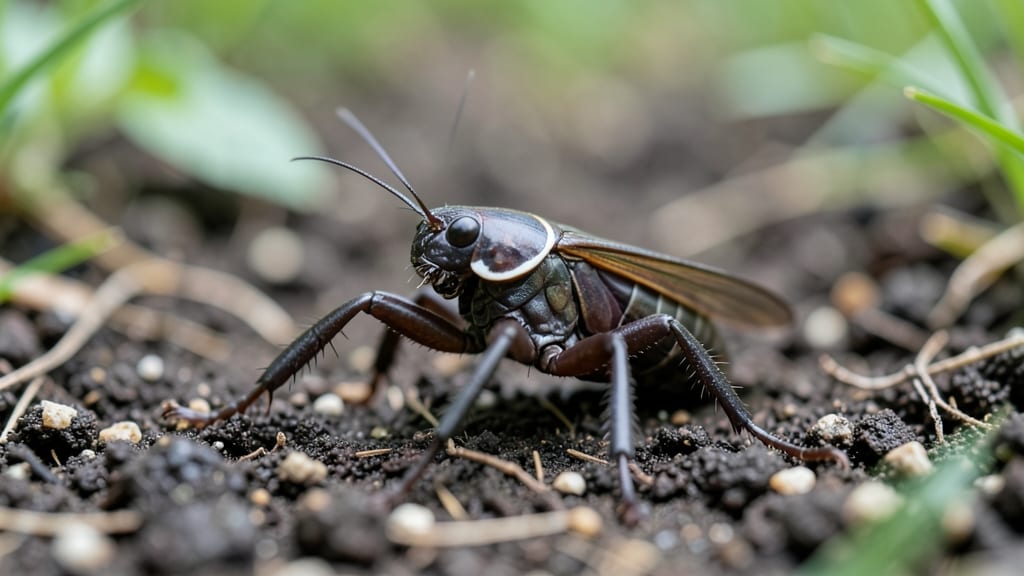
When moles grow in a garden, they primarily improve soil aeration by digging tunnels that break up compacted earth, enhancing drainage and root growth, but they also eat grubs and larvae while creating surface mounds that can damage plants and disrupt garden aesthetics.
Moles play a surprisingly complex role in gardens—like nature's underground plow. 🌱 Their constant tunneling loosens tight soil, letting air and water penetrate deeper, which actually helps plant roots spread and grow stronger.
However, their appetite for grubs and larvae means they're also keeping your garden free from pests that would otherwise chew through leaves and stems. The catch?
Those surface mounds they push up can smother young plants or create tripping hazards, making their benefits a bit of a double-edged sword for gardeners.
What's interesting is how their activity creates a feedback loop: better aeration from their tunnels means healthier soil, which attracts more worms and insects—the moles' favorite snack.
This cycle can work in your favor if you're growing deep-rooted plants like carrots or potatoes, but shallow crops like lettuce might struggle with the uneven terrain.
The key is finding that balance between letting them do their natural soil-improving work while protecting your most delicate plants from their side effects.
💡 In This Article
- How Mole Tunnels Impact Soil Aeration and Plant Health
- Natural and Humane Mole Control Methods for Gardens
How mole tunnels impact soil aeration and plant health
Moles create extensive tunnel networks—some shallow (4-6 inches deep) for foraging, others deeper (12-18 inches) for travel—using their powerful front claws to dig at rates of 15-20 feet per hour.
This constant excavation breaks up compacted soil layers, which are common in gardens due to foot traffic or machinery. Compacted soil has 50% less pore space than loose soil, restricting oxygen flow and water infiltration.
Mole tunnels effectively "pre-aerate" the soil, creating channels that improve drainage by 30-40% compared to undisturbed earth.
The benefits extend to root development: plants like tomatoes or peppers, which need deep, well-oxygenated soil, thrive with this natural tilling. However, the trade-off is root disturbance—moles often uproot shallow plants (1-2 inches deep) while searching for grubs.
Their feeding habits also create surface mounds (up to 12 inches wide), which can smother seedlings or create uneven growing conditions for crops like strawberries that prefer flat terrain.
The soil texture near tunnels becomes granular rather than dense, but this doesn't always translate to better plant support for shallow-rooted varieties.
Here's the ecological paradox: while moles disrupt surface plantings, their tunneling actually mimics the benefits of manual aeration. Studies show mole activity increases soil microbial activity by 25% due to better oxygen circulation, which helps decompose organic matter faster.
The grubs they consume (like Japanese beetle larvae) would otherwise damage roots—so their pest control role is undeniable. The challenge is managing their activity without harming your garden's delicate balance, especially for high-value crops where surface mounds could create yield losses.
Consider this comparison: a 100-square-foot garden might see 50-100 feet of new tunnels per month during active mole seasons. While this improves drainage for deep-rooted plants, it creates 3-5 surface mounds that need manual removal.
The key is strategic planting—place shallow crops away from known mole paths while letting deeper-rooted plants benefit from the aeration. Their activity also explains why some gardeners notice better growth in certain sections despite the surface damage.
What most gardeners don't realize is how mole tunnels create a "highway system" for water. After heavy rain, these channels direct water 2-3 times faster than compacted soil, preventing waterlogging in heavy clay gardens. However, this same system can wash away topsoil during erosion events, particularly on slopes.
The solution? Use mole activity to your advantage by planting erosion-resistant ground covers near their tunnels while protecting vulnerable crops with temporary row covers.
For visual learners, imagine mole tunnels as nature's version of a French drain system—except instead of plastic pipes, you get organic soil channels that self-repair over time. The trade-off is the surface mounds, which can be mitigated by regular rake maintenance.
This dual role explains why moles are both feared and tolerated in gardening circles—they're the ultimate soil engineers with a side hustle in pest control.