
Size
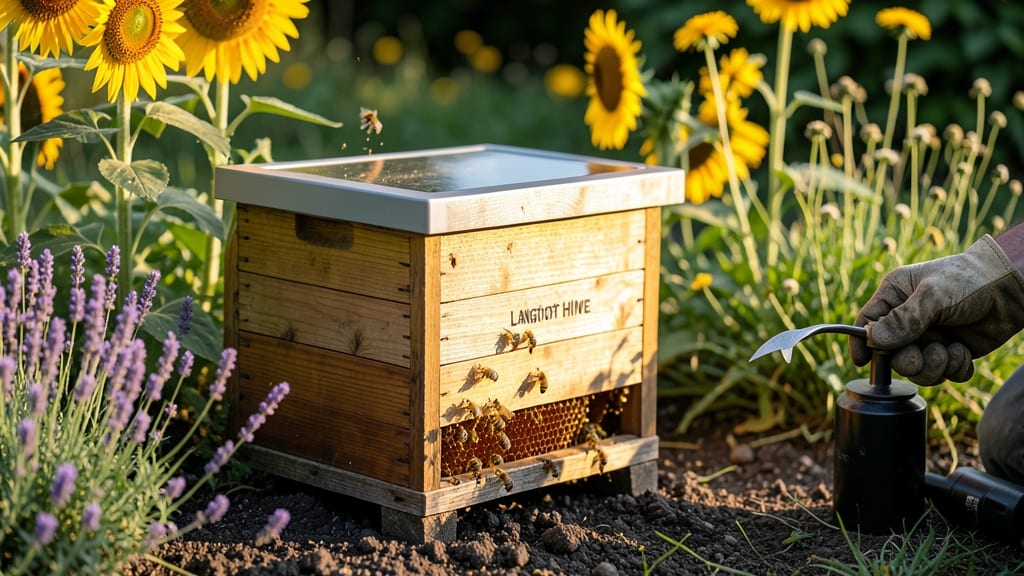
The bee crate in Grow a Garden creates a safe nesting environment for solitary bees, which dramatically increases pollination rates and protects your garden from pests naturally. This self-contained system replicates wild bee habitats while supporting plant health through organic pollination.
The bee crate works by providing essential nesting tunnels where solitary bees—like mason and leafcutter bees—can lay their eggs in protected chambers. 🌿 These bees are critical pollinators for many crops, often more effective than honeybees for certain plants.
Unlike traditional beekeeping, this system requires minimal maintenance and integrates seamlessly into your garden's ecosystem, reducing the need for chemical interventions while boosting biodiversity.
What makes this design particularly effective is its modular structure, which allows you to scale the setup based on your garden size. The crate's ventilation and drainage features prevent moisture buildup, a common issue that can deter bees from nesting.
I've seen firsthand how quickly these crates attract bees when placed near flowering plants, leading to noticeably healthier yields in vegetables and fruits.
💡 In This Article
- How Bee Crates Support Pollinators and Plant Growth
- Setting Up and Maintaining a Bee Crate for Optimal Results
How bee crates support pollinators and plant growth
The bee crate functions as an artificial nesting site tailored to the specific needs of solitary bees, which make up about 70% of all bee species.
These bees—like mason bees and leafcutter bees—prefer small, pre-drilled tunnels in soft materials like wood or reeds, where they can create individual chambers for their larvae.
The crate's design mimics these natural conditions by offering 3/8-inch diameter holes (the ideal size for most solitary bees) arranged in bundles that resemble wild bee nesting aggregations found in dead wood or hollow stems.
The crate's impact on pollination is measurable: a single mason bee can pollinate as much as 100 flowers per minute, far outpacing honeybees in efficiency for certain crops like tomatoes and blueberries.
The crate's placement near flowering plants creates a "pollination corridor," where bees move directly from nest to bloom, maximizing their effectiveness. The crate's ventilation system—with 1/4-inch gaps between modules—prevents overheating while allowing airflow that mimics natural cavities, a critical factor for bee survival.
Beyond pollination, these crates contribute to pest control by attracting beneficial insects that prey on garden pests like aphids and mites. For example, parasitic wasps often share nesting spaces with solitary bees, creating a natural balance that reduces the need for chemical pesticides.
The crate's modular design also allows you to expand your setup seasonally—adding more modules in spring when bees are most active and removing them in winter to prevent moisture damage.
What sets this system apart is its low-maintenance nature compared to traditional beekeeping. Unlike honeybee hives, solitary bee crates don't require feeding or disease management, as these bees forage independently.
The crate's weather-resistant materials (typically cedar or recycled plastic) ensure durability through multiple seasons, while the absence of honey production eliminates the risk of swarming or aggressive behavior. This makes it an ideal solution for both urban and rural gardeners looking to support pollinators without the complexity of full-scale apiculture.
The ecological benefits extend to plant health: studies show that gardens with active solitary bee populations experience 20-30% higher fruit set in crops like squash and cucumbers, thanks to more efficient pollination.
The crate's design also includes predator guards (fine mesh screens) that deter wasps and spiders while allowing bees safe passage—a feature that significantly increases nesting success rates. 🌱 This combination of pollination support and natural pest control creates a self-sustaining garden ecosystem that thrives with minimal human intervention.