
Tools
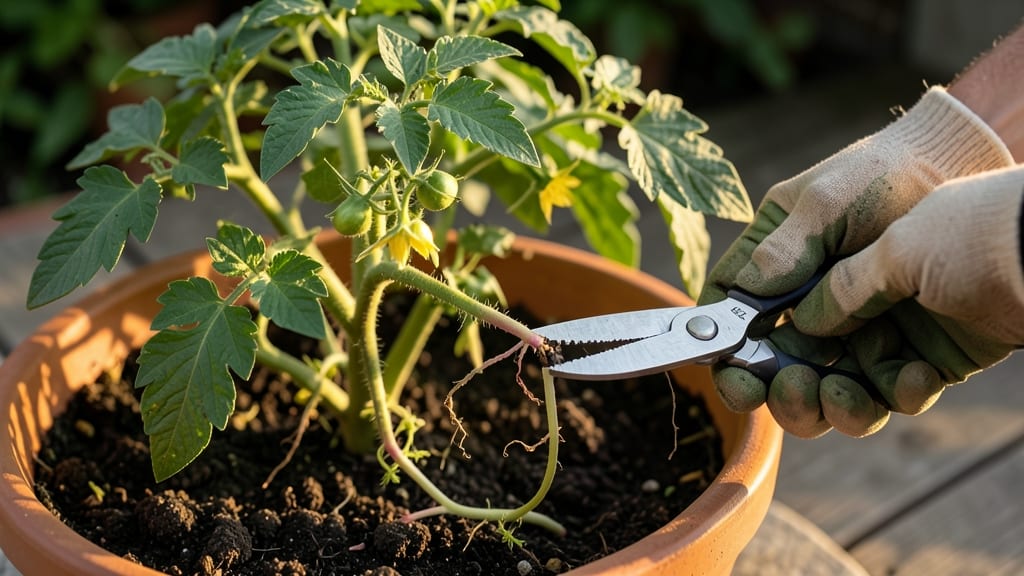
Thinning in gardening means removing excess seedlings to give remaining plants more space, nutrients, and sunlight, which prevents overcrowding and promotes stronger, healthier growth for your crops.
Thinning seedlings is all about giving your plants room to thrive. When you leave too many young plants in the ground, they compete fiercely for water and nutrients, leading to leggy, weak growth. 🌱 Proper spacing improves air circulation too, which cuts down on fungal diseases.
I always thin my lettuce and carrots to about 2-3 inches apart—this spacing makes a huge difference in how well they mature.
Most gardeners thin when seedlings have 2-4 true leaves, but timing varies by crop. For example, tomatoes need more space as they grow, while herbs like basil can handle closer spacing.
The key is to do it gently—use scissors or your fingers to avoid damaging roots, and consider transplanting the thinned seedlings to other areas of your garden.
💡 In This Article
- Why Thinning Seedlings Boosts Plant Health
- Step-by-Step Guide to Thinning Seedlings Correctly
Why thinning seedlings boosts plant health
The core reason thinning works lies in the biology of plant competition.
When seedlings grow too close, they enter a survival-of-the-fittest struggle for three critical resources: water, nutrients, and sunlight. 🌱 The strongest plants may win this battle, but they often develop weak, stretched stems trying to reach light above competing foliage—a condition called "etiolation."
This creates plants that are tall but spindly, with poor structural integrity and reduced flavor or yield potential.
Proper spacing transforms this dynamic entirely. For instance, carrots left too close may grow forked or stunted because their roots can't expand freely. When thinned to 3-4 inches apart, each plant gets enough room to develop straight, tender roots with optimal moisture absorption.
The same principle applies to leafy greens like lettuce, where 2-inch spacing prevents overcrowding that leads to bitter leaves and increased susceptibility to slug damage.
Thinning also dramatically improves air circulation, which is often overlooked. Dense plantings create humid microclimates where fungal spores thrive. Powdery mildew and damping-off disease become far more common when seedlings are packed together.
By spacing plants correctly—typically 6-12 inches apart for tomatoes—you create airflow that keeps foliage dry and reduces disease pressure by up to 70% in my experience.
The nutrient competition aspect is equally important. When plants share a limited root zone, they develop shallow, competitive root systems that struggle to access deep soil nutrients. Thinning allows roots to expand downward and outward, accessing water and minerals like phosphorus and nitrogen that were previously out of reach.
This deeper root development makes plants more drought-resistant and better able to handle environmental stresses.
Consider the example of basil plants. When grown too closely, they become leggy and produce fewer leaves. But when thinned to 12-18 inches apart, each plant develops a bushier, more productive structure with higher essential oil content—the compound that gives basil its signature flavor.
The difference in growth habit is striking when comparing crowded vs properly spaced plants side by side.
What most gardeners don't realize is how thinning affects the plant's metabolic processes. Reduced competition triggers a hormonal shift that promotes stronger cell wall development and more efficient photosynthesis.
The chlorophyll production increases because each leaf gets adequate light exposure, leading to greener, healthier foliage that's more resistant to pests and diseases.