
Planting
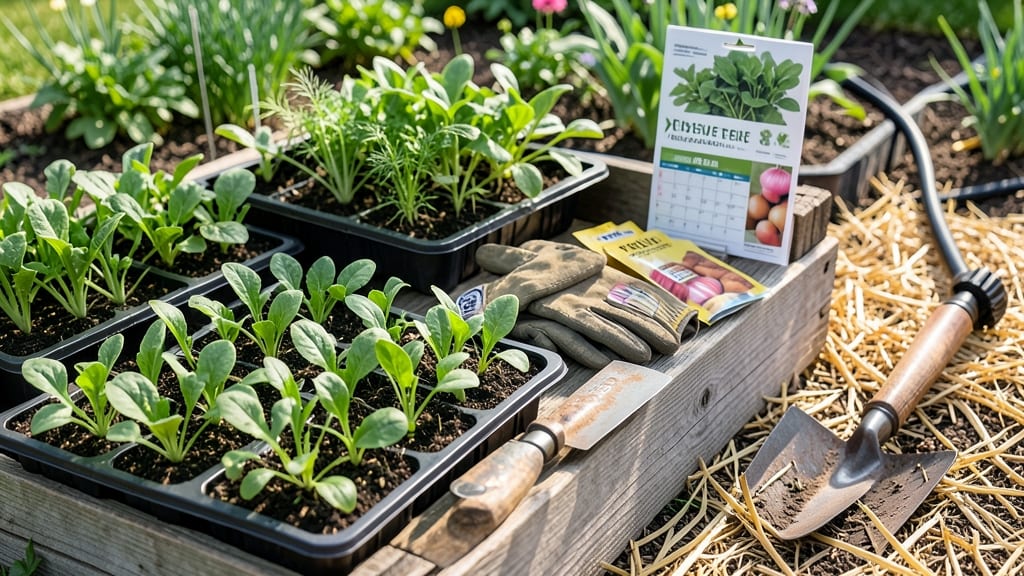
Planting a garden in Ohio at the right time means the difference between a bountiful harvest and a sad pile of frozen seedlings.
Ohio’s frost dates can shift by weeks—one year you’re safe to plant by mid-April, the next a late freeze hits in May. Without a clear timeline, you’re guessing, and that’s how expensive mistakes happen.
This guide breaks down Ohio’s frost-free deadlines by plant type, so you know exactly when to start seeds indoors, transplant seedlings, and direct-sow for maximum yields. Whether you’re growing tomatoes, lettuce, or flowers, timing is everything.
From cool-season crops like spinach to heat-lovers like peppers, I’ll walk you through the ideal planting windows—plus how to stretch your season with row covers and other tricks.
Ohio’s frost dates and planting zones: when to start seeds indoors vs. direct sowing
Ohio’s USDA Plant Hardiness Zones 5b-6a create a unique gardening challenge—where late spring frosts can linger until mid-April in northern areas like Cleveland, while southern regions like Cincinnati often see their last frost by April 1st. These variations mean your planting timeline should adjust based on your exact location.
For most of Ohio, the average last frost date falls between April 15-30, but microclimates near lakes or urban areas can shift this by 1-2 weeks.
Understanding whether to start seeds indoors or direct sow outdoors depends on two key factors: seedling heat requirements and soil temperature thresholds.
Cold-hardy crops like kale, peas, and spinach can handle Ohio’s early spring soils (40°F+), while heat-lovers like tomatoes and peppers need 60°F+ soil and warm nights to thrive. Let’s break down the exact timing for your Ohio garden.
🌱 PRO TIP: Use a soil thermometer to confirm readiness—50°F+ is ideal for most cool-season crops, while 60°F+ is non-negotiable for warm-season plants.
For cold-hardy crops (think spinach, peas, and broccoli), I recommend starting seeds indoors 4-6 weeks before your last frost date. This gives them enough time to develop 2-3 true leaves before transplanting. In northern Ohio, that means mid-March starts for most cool-season veggies.
Meanwhile, heat-loving plants like tomatoes and peppers need a longer indoor head start (8-10 weeks) because they’re sensitive to frost and grow slowly in cool soil.
Direct sowing outdoors is simpler but riskier—only attempt it for fast-growing crops like radishes, lettuce, and bush beans. These can tolerate Ohio’s cool spring soils and mature quickly enough to avoid frost damage.
I’ve had success with direct-sown radishes as early as mid-March in Cincinnati, while northern Ohio gardeners should wait until late April to avoid frost.
Transplanting seedlings outdoors is where most Ohio gardeners make mistakes. Wait until nighttime temperatures consistently stay above 50°F—this usually aligns with late April to early May for most regions. For tomatoes and peppers, I hold off until mid-May in northern Ohio to ensure soil warmth.
A simple trick? Place a clear plastic cup in your garden bed overnight—if it’s frost-free by morning, it’s safe to transplant.
Ohio’s fall frost dates are just as critical as spring’s. The first frost typically arrives between October 15-30, depending on elevation. For a second planting of cool-season crops, I direct-sow spinach, kale, and
Planting schedule by vegetable type: Ohio’s best times for tomatoes, peppers, and more
Ohio’s growing season is short but sweet, and timing is everything. Warm-season crops like tomatoes and peppers need to wait until after the last frost, while cool-season veggies like lettuce and spinach thrive when planted early. Missing these windows can mean lost harvests or stunted plants.
In Ohio’s USDA Zones 5-6, the average last frost date is April 15, but this varies by region. Southern Ohio (e.g., Cincinnati) may see frost-free conditions by March 25, while northern areas (e.g., Cleveland) often wait until May 1.
Plan accordingly to avoid frost damage or bolting.
🌱 Numbered Highlights: Ohio Planting Timeline by Crop Type
- 🌱 Cool-Season Crops (March-April): Plant lettuce, spinach, peas, and radishes 4-6 weeks before last frost. Direct sow in early March for a spring harvest.
- 🌿 Warm-Season Crops (May-June): Transplant tomatoes, peppers, and eggplants after last frost. Start seeds indoors in March for transplanting in late May.
- ☀️ Heat-Loving Crops (June-July): Direct sow beans, cucumbers, and squash after soil reaches 60°F+. Avoid planting too early—cool soil stunts growth.
- 🍅 Tomatoes & Peppers (Critical Deadline): Transplant seedlings by June 1 in northern Ohio or May 15 in southern Ohio. Late plantings yield smaller harvests.
- 🌻 Fall Crops (August-September): Sow kale, carrots, and beets by August 1 for a fall harvest before first frost (October 15).
For tomatoes, I recommend starting seeds indoors in March and transplanting after the last frost. Varieties like ‘Early Girl’ mature faster in Ohio’s shorter season, while ‘Brandywine’ needs more time. Harden off seedlings for 1-2 weeks before transplanting to prevent shock.
Peppers, especially bell peppers and jalapeños, are finicky about temperature. Plant them after the soil warms to 65°F+, typically late May. Use black plastic mulch to speed up soil warming and deter weeds.
If you’re in a cooler microclimate, opt for shorter-season varieties like ‘Early Cal Wonder’.
Don’t forget about successional planting! For crops like lettuce and bush beans, sow seeds every 2-3 weeks from spring to early summer. This ensures a continuous harvest and prevents gluts. In Ohio, you can even squeeze in a fall crop of spinach by planting in late July.
Pro tip: Use row covers to extend the season for cool-season crops in early spring or late fall. This can add 2-3 weeks to your growing window, giving you more time to enjoy fresh produce. Just remove covers when plants flower to allow pollination.