
Planting
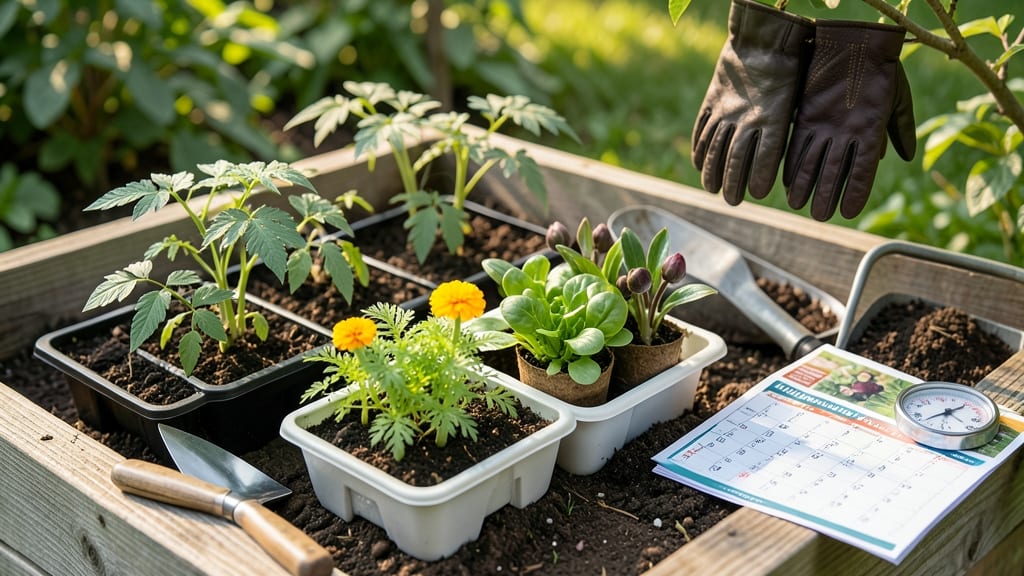
Planting your garden in Ohio at the right time means avoiding frost-nipped seedlings and maximizing your harvest—timing varies by crop and zone.
Ohio’s unpredictable spring weather can turn a gardener’s excitement into frustration if you plant too early—or too late. Timing is everything, but knowing exactly when to plant each crop in Ohio’s diverse climate zones can mean the difference between a thriving garden and a sad, frost-nipped failure.
From early April in southern Ohio to mid-May in the northern regions, frost-free deadlines shift dramatically. Cool-season crops like spinach and peas can handle a light frost, while warm-season favorites like tomatoes and peppers need soil temperatures above 50°F to thrive.
In this guide, I’ll break down the best planting windows for Ohio’s most popular vegetables, flowers, and perennials—plus tips for adjusting schedules based on your specific USDA zone and microclimate. No more guesswork, just a bountiful garden.
Ohio’s frost-free deadlines by plant type: cool vs warm season crops
Ohio’s last frost dates vary dramatically across its USDA zones 5-6, with southern regions like Cincinnati typically seeing their final frost by early April, while northern areas near Cleveland may wait until mid-May.
This variability means your cool-season crops like spinach and peas can go in weeks earlier in the south than the north. For warm-season crops such as tomatoes and peppers, waiting until after the last frost is critical—planting too soon risks stunted growth or death from unexpected cold snaps.
To navigate these differences, I’ve broken down Ohio’s frost-free planting windows by crop type, including zone-specific adjustments so you can tailor your schedule.
Whether you’re in Zone 5 (southwest Ohio) or Zone 6 (northeast Ohio), these guidelines will help you avoid the heartbreak of frost damage while maximizing your garden’s potential. The key? Pay attention to soil temperature, not just air temperature—cool soils can delay germination even after the last frost.
Pro Tip: Use row covers or cold frames to extend your planting window for heat-loving crops by 2-3 weeks, especially in Ohio’s cooler northern regions. For example, you can plant tomato seedlings under protection as early as late April in Zone 5, even if the ground isn’t fully frost-free. This trick gives your garden a head start in Ohio’s short growing season.
For cool-season crops, the window is wide—you can start as early as March in southern Ohio for hardy greens like kale or cabbage. But if you’re in northeast Ohio (Zone 6), wait until mid-April to avoid frost damage.
These crops thrive in cooler temperatures and can even handle light frosts, making them perfect
How to adjust planting times for Ohio’s microclimates and soil conditions
Ohio’s diverse geography means your neighbor’s perfect planting schedule might not work for you. Urban heat islands in Columbus or Cincinnati can push last frost dates back by weeks, while Lake Erie’s cooling effect delays spring near Cleveland.
Even within your yard, soil drainage and microclimates create unique challenges that demand flexibility in your planting timeline.
Start by identifying your local microclimate zone. Areas near large bodies of water, like Lake Erie or the Maumee River, experience delayed warming. Meanwhile, south-facing slopes or paved urban areas warm up faster.
Use a soil thermometer to confirm when temperatures reach 50°F for cool-season crops or 60°F+ for warm-season plants—not just air temperature.
- Urban areas: Plant 2-3 weeks earlier than rural zones
- Lake Erie coast: Delay 10-14 days for frost-sensitive crops
- Southern Ohio: Extend spring planting by 1 week vs. northern regions
- Poor drainage: Use raised beds or containers for waterlogged soils
Extend your growing season with seasonal extension tools. Floating row covers (like Reemay fabric) can protect cool-season crops until Mother’s Day, while cold frames let you plant spinach or kale as early as late February in southern Ohio.
For fall, use low tunnels to keep lettuce or radishes growing until Thanksgiving in most zones.
Practice succession planting to maximize Ohio’s short growing season. Instead of planting all your bush beans or zucchini at once, stagger plantings every 2 weeks from late May through June.
This ensures a continuous harvest and reduces waste. For heat-loving crops like tomatoes, opt for early-maturing varieties (like 'Early Girl') to beat Ohio’s first frost in October.
Test your soil drainage before planting. Poorly draining soils in northern Ohio can delay spring planting by weeks. Dig a hole, fill it with water, and time how long it takes to drain.
If it takes more than 6 hours, amend with compost or sand or choose container gardening for sensitive crops like peppers or eggplants.
Monitor local weather patterns beyond the average last frost date. False springs—like the 2012 freeze that hit after early blooms—can devastate young plants.
Use Ohio State Extension’s frost maps and set up frost alarms for your last expected frost date (typically April 15 in southern Ohio to May 15 in the north).