
Tools
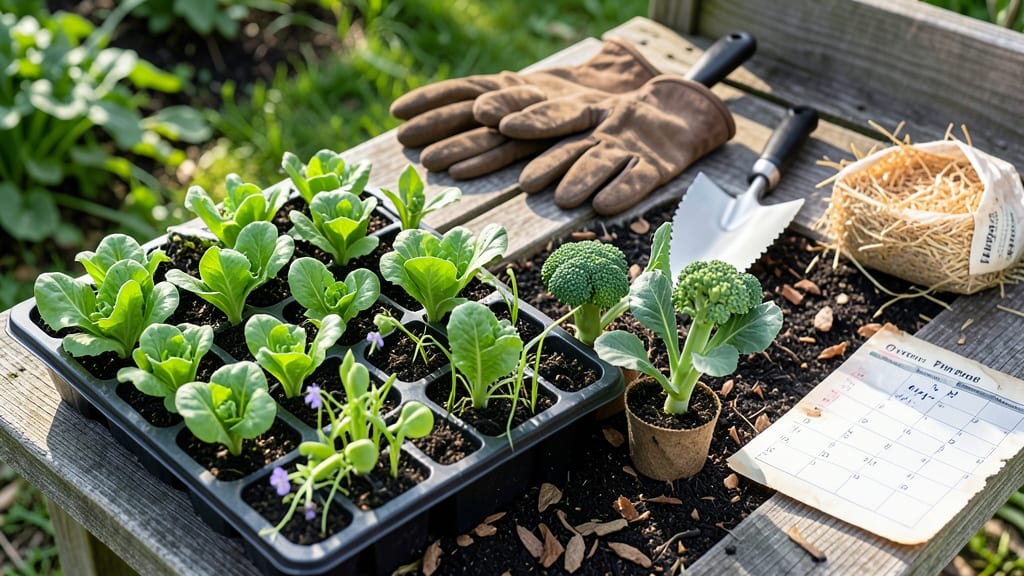
Starting a garden in Ohio after the last frost date—typically mid-April to mid-May—sets the stage for a bountiful harvest, but timing can make or break your success.
Ohio’s unpredictable spring weather can make timing your garden planting a high-stakes guessing game—but knowing the exact frost-free dates by plant type could mean the difference between a thriving harvest and a wasted seed packet.
Whether you’re planting cool-season crops like lettuce or waiting for the soil to warm up for tomatoes, the right window depends on your region and microclimate. Southern Ohio may see frost-free conditions earlier than northern areas, so local adjustments matter.
In this guide, I’ll walk you through Ohio’s frost dates, how to prepare your soil, and the best planting strategies to maximize your garden’s potential—no matter where you are in the state.
Ohio’s frost-free dates by region: when to plant cool-season vs. warm-season crops
Ohio’s last frost dates can vary by 5-7 days between northern and southern regions, making precise timing critical for your garden’s success.
In Zone 5-6, southern Ohio (like Cincinnati) typically sees its average last frost around April 15, while northern areas (like Cleveland) often wait until May 1. These dates separate cool-season crops (like lettuce and peas) from warm-season crops (like tomatoes and peppers).
For cool-season crops, I recommend planting 4-6 weeks before your region’s last frost date. In southern Ohio, that means mid-March for hardy greens, while northern Ohio gardeners should wait until late March.
These crops thrive in cooler temperatures (40-70°F) and can even tolerate light frosts. Peas and spinach are my go-to early plants—they germinate quickly in cold soil.
Warm-season crops, however, need to wait until soil temperatures reach at least 50°F and air temperatures stay above 55°F at night.
In southern Ohio, this usually aligns with mid-April, while northern Ohio gardeners should hold off until late April to early May. Tomatoes and peppers are sensitive to frost, so planting too early can stunt their growth or kill them outright.
Here’s a regional breakdown of Ohio’s frost-free dates and ideal planting windows for your most popular crops:
| Region | Avg. Last Frost | Cool-Season Planting Window | Warm-Season Planting Window | Example Crops |
|---|---|---|---|---|
| Southern Ohio (Cincinnati, Columbus) | April 15 | Mid-March to early April | Mid-April to late April | Lettuce, Peas, Spinach, Tomatoes, Peppers |
| Central Ohio (Dayton, Lima) | April 22 | Late March to early April | Late April to early May | Kale, Radishes, Bush Beans, Tomatoes, Basil |
| Northern Ohio (Cleveland, Toledo) | May 1 | Late March to mid-April | Late April to early May | Spinach, Peas, Carrots, Tomatoes, Peppers |
Microclimates can shift these dates by 1-2 weeks, so pay attention to your specific location. For example, a south-facing slope warms up faster than a low-lying area, allowing you to plant warm-season crops earlier.
I’ve even seen gardeners in urban heat islands (like downtown Columbus) start tomatoes 10 days earlier than rural areas just a few miles away.
If you’re unsure about your local frost dates, I recommend using the National Weather Service’s frost prediction tool or checking with your local Cooperative Extension office. They provide hyper-localized data that can save your garden from unexpected cold snaps.
For example, in 2020, a late-May frost in Columbus wiped out early tomato plantings—something no one predicted based on average dates.
For cool-season crops, succession planting is key. I plant lettuce and spinach every 2 weeks from March through May to ensure a continuous harvest. This strategy works especially well in Ohio’s variable spring weather, where late frosts can still occur even after the average last frost date.
Warm-season crops like tomatoes and peppers need consistent warmth, so I always wait until nighttime temperatures stay above 55°F before transplanting seedlings. In northern Ohio, this often means waiting until early June to avoid stunted growth.
For extra protection, I use row covers or black plastic mulch to warm the soil faster and extend the growing season.
Remember, Ohio’s frost dates aren’t set in stone—they’re averages. Always have a backup plan, like row covers or a cold frame, for those unpredictable late frosts.
With the right timing and a little flexibility, you can maximize your garden’s potential and enjoy fresh produce from spring to fall. 🌱
How to use Ohio’s frost dates to extend your growing season (without risking frost damage)
Ohio’s frost dates can feel like a moving target—one year’s last frost might be April 15, while another brings late freezes into May. But with the right strategies, you can extend your harvest safely. The key is using season-extending tools and planting techniques tailored to Ohio’s Zone 5-6 climate.
Instead of waiting for the "official" frost date, I’ve learned to push boundaries with cold frames, row covers, and succession planting. These methods let me plant earlier for spring crops or harvest later in fall—without risking frost damage.
For example, black plastic mulch can warm soil by 10-15°F, letting me plant tomatoes two weeks earlier in southern Ohio.
🌱 Ohio Growing Season Extension Checklist
- 📅 Early Spring: Use cold frames for cool-season crops (lettuce, spinach) 3-4 weeks before last frost.
- ☀️ Soil Warming: Lay black plastic mulch 2-3 weeks before planting warm-season crops (peppers, tomatoes).
- 🛡️ Frost Protection: Cover seedlings with floating row covers for 32-36°F nights.
- 🌿 Succession Plant: Sow fast-maturing crops (radishes, bush beans) every 2 weeks for continuous harvest.
- 🌡️ Fall Extension: Use low tunnels to delay frost by 2-4 weeks for kale, carrots.
⚠️ Pro Tip: Monitor soil temperature—most seeds need 50°F+ to germinate.
One of my favorite season-extending tools is a cold frame. These simple glass or plastic boxes create a microclimate that traps heat, letting me start spinach in early March—even when outdoor temps hover near 30°F.
For warm-season crops like peppers, I swear by black plastic mulch. It warms the soil faster than bare earth, giving seedlings a head start.
Don’t overlook succession planting, either. By sowing radishes every 2 weeks from April through June, I’ve turned a single harvest into a continuous supply. This works especially well for fast-growing greens and bush beans.
Pair this with heat-tolerant varieties (like ‘Heatmaster’ tomatoes), and you’ll maximize your yield even in Ohio’s short growing season.
For fall gardens, low tunnels are a game-changer. They’re essentially hoop houses draped with row cover fabric, and they can delay frost by 3-4 weeks.
I’ve used them to harvest kale into November—long after most gardens have given up. Just remember to ventilate on warm days to prevent overheating.
Finally, keep a garden journal to track what works in your specific microclimate. A south-facing slope warms up faster than a north-facing bed, so note where frost lingers longest in your yard. With these Ohio-specific strategies, you’ll turn frost dates into opportunities instead of limitations. 🌿