
Planting
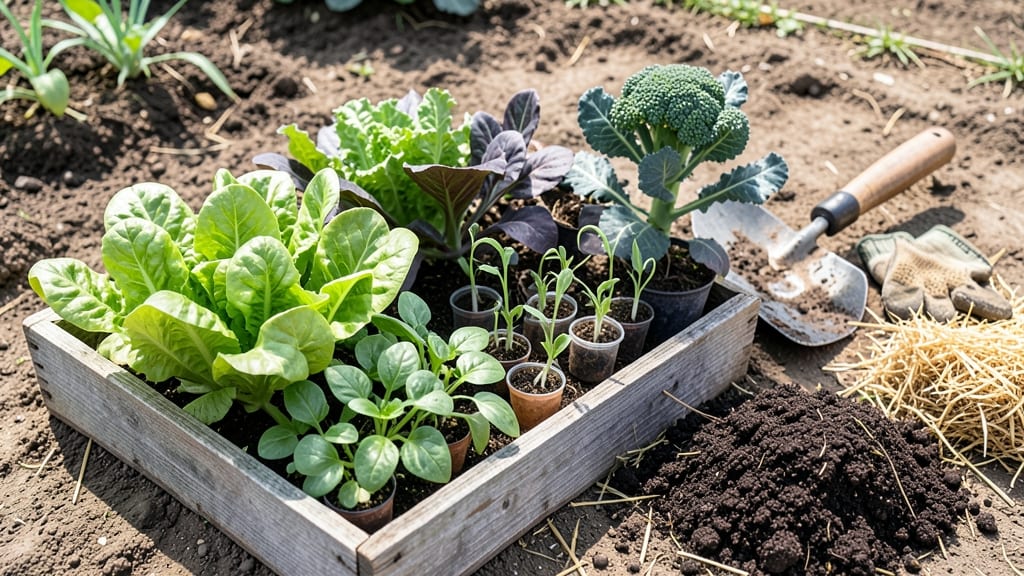
Planting a garden in Ohio means timing your spring start dates to avoid frost and maximize your harvest — and the wrong window can leave you with wilted seedlings or stunted growth.
Ohio’s unpredictable spring weather can turn a gardener’s well-laid plans into a guessing game—plant too early, and frost will strike; too late, and your harvest suffers.
Whether you’re sowing cool-season greens like spinach or waiting for warm-season tomatoes, knowing Ohio’s USDA zones 5-7 and last frost averages is the key to success.
From northern Ohio’s cooler microclimates to the slightly warmer south, the right planting window depends on your region, soil temperature, and even whether you’re in an urban garden or rural farmland.
I’ll break down the exact dates for cool-season vs. warm-season crops, plus how to adjust for Ohio’s tricky weather patterns.
By the end, you’ll know not just when to plant, but how to prep your soil, choose the right varieties, and avoid the 5 most common Ohio gardening mistakes that ruin timing—so your garden thrives all season long.
Ohio’s cool-season planting schedule: best start dates by region
Ohio’s cool-season crops like spinach, kale, and peas thrive when planted before the last frost, but timing varies dramatically between northern and southern regions.
The Ohio State University Extension tracks average last frost dates, but your microclimate (urban heat islands or rural valleys) can shift these by 1-3 weeks. For example, Columbus typically sees its last frost around April 15, while Toledo might delay until May 1.
Understanding these differences ensures your seedlings aren’t caught off guard by unexpected frosts.
Cool-season crops need soil temperatures between 40°F and 60°F to germinate properly. Test your soil with a soil thermometer—if it’s below 40°F, wait another week. In northern Ohio (Zones 5a-5b), this often means starting seeds indoors by late February or using cold frames to extend the season.
Southern Ohio gardeners (Zones 6a-6b) have more flexibility, with direct sowing possible by early March in protected areas. Always check OSU’s frost risk maps for real-time updates.
For spinach and lettuce, aim to plant 4-6 weeks before your last frost—this gives them time to mature before summer heat sets in. Peas and kale, which are more frost-tolerant, can handle light frosts and often do better with a succession planting every 2-3 weeks until early summer.
In my Columbus garden, I’ve found that sugar snap peas sown in early April produce the sweetest pods, while baby leaf lettuce thrives when planted in mid-March under row covers.
Urban gardeners often face warmer microclimates due to concrete heat absorption and lack of wind protection. If you’re in Downtown Columbus, for example, your last frost might occur 7-10 days later than in nearby rural areas.
To adjust, use frost cloth or low tunnels to protect seedlings until temperatures stabilize. Rural gardeners, on the other hand, may experience colder pockets in valleys—plant these areas last or choose hardier varieties like ‘Winterbor’ kale, which tolerates 20°F without damage.
Soil preparation is key for cool-season success. Amend your beds with compost or well-rotted manure in fall to improve drainage and fertility. Test your soil pH—most cool-season crops prefer 6.0-7.0.
In northern Ohio, where soils can be clay-heavy, I mix in sand or perlite to prevent waterlogging. Always water deeply before planting to encourage root growth, especially if your region has experienced dry winters. A 1-inch layer of mulch helps retain moisture and regulate soil temperature.
If you’re unsure about your local frost dates, use OSU’s Planting Calendar or the National Weather Service’s frost prediction maps. For a visual guide, bookmark the Midwestern Regional Climate Center’s frost risk timeline, which breaks Ohio into three zones with color-coded frost probabilities.
Pro tip: Set up a mini weather station in your garden with a thermometer and humidity gauge—this gives you real-time data to fine-tune your planting schedule.
One of my biggest mistakes early on was planting radishes too late—by mid-April, they bolted before reaching maturity. Now, I sow radishes in late February indoors and transplant them out 3 weeks before the last frost.
Similarly, Swiss chard and beets benefit from early starts because they take longer to harvest. For a <
Warm-season planting in Ohio: when to start tomatoes, peppers, and more
Ohio’s warm-season planting window opens after the average last frost date, typically between April 15 and May 15, depending on your region. For northern Ohio, wait until May 1—when soil temperatures hit 60°F+—while southern Ohio gardeners can start as early as mid-April.
Warm-season crops like tomatoes, peppers, and cucumbers thrive when nights stay above 50°F, so always check Ohio State University’s frost risk maps before planting.
Starting seeds indoors gives you a 4-6 week head start for heat-loving plants. Begin tomato and pepper seeds indoors in March under grow lights, then transplant seedlings outdoors after the last frost.
For direct sowing, wait until soil is consistently warm—stick your finger in the ground; if it’s too hot to hold for 5 seconds, it’s ready. Row covers can extend your planting window by 2-3 weeks in early spring.
| Plant Type | Indoor Start Date | Outdoor Planting Window | Soil Temp Requirement | Ohio-Specific Tip |
|---|---|---|---|---|
| Tomatoes | March 15-April 1 | After May 1 (Northern OH) / April 20 (Southern OH) | 60°F+ | Choose heat-tolerant varieties like 'Celebrity' or 'Better Boy'. |
| Peppers | March 1-April 15 | After May 15 (Northern OH) / May 1 (Southern OH) | 70°F+ | Start seeds in biodegradable pots to avoid transplant shock. |
| Cucumbers | Direct sow only | After May 10 (Northern OH) / April 25 (Southern OH) | 55°F+ | Use trellises to save space and improve air circulation. |
| Green Beans | Direct sow only | After May 1 (Northern OH) / April 15 (Southern OH) | 60°F+ | Plant bush varieties for smaller gardens. |
Ohio’s short growing season (typically 150-180 days) demands smart planning.
For late-summer harvests, try succession planting: sow bush beans every 2 weeks from May to July. Row covers can push your planting window back by 2-3 weeks in fall, protecting crops like kale and spinach until the first frost.
Always monitor local weather forecasts—a late frost in May can devastate young seedlings overnight.
Prep your soil by amending with compost or aged manure to boost organic matter, and add a balanced fertilizer (10-10-10) at planting time. Mulch heavily with straw to retain moisture and suppress weeds, especially during Ohio’s hot, dry summers.
Water deeply in the morning to prevent fungal diseases like blight, which thrives in damp foliage. For container gardening, use self-watering pots to maintain consistent moisture.
Extend your harvest with cold frames or low tunnels, which can add 4-6 weeks to your growing season. In northern Ohio, plant heat-tolerant varieties like 'Heatmaster' tomatoes or 'Carolina Cayenne' peppers, which handle Ohio’s 90°F+ heat waves better than standard varieties.
Always rotate crops yearly to prevent soil-borne diseases and maintain soil health.
Mark your calendar for Ohio’s first frost dates (typically October 15-November 1) to plan fall plantings. Broccoli, cabbage, and carrots can still thrive in cool weather, while tomatoes and peppers should be harvested before frost.
Use OSU Extension’s planting calendar as your guide, and don’t forget to save seeds from your best performers for next year!