
Plants
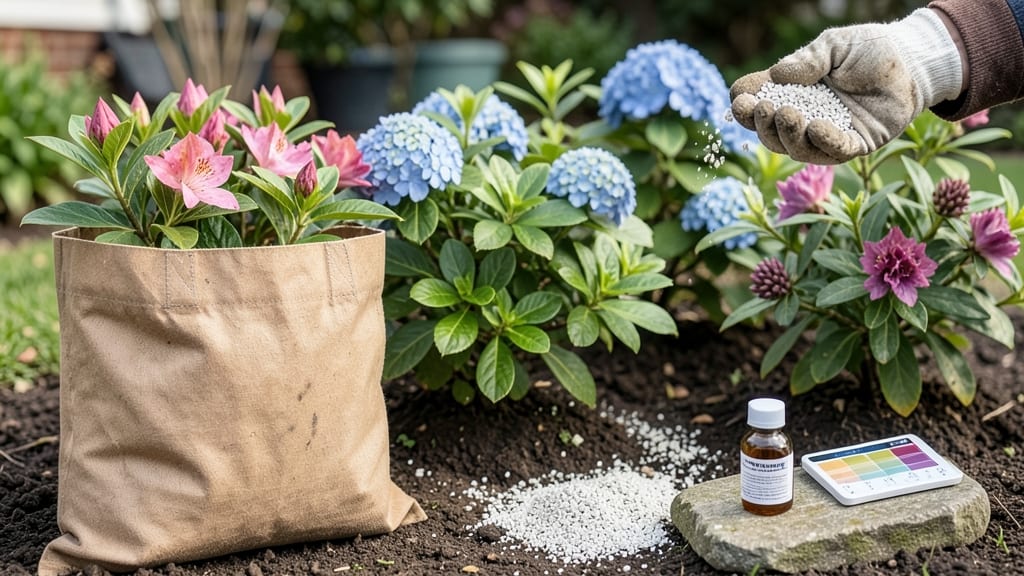
Garden plants that need lime to thrive include vegetables like broccoli, cabbage, and Brussels sprouts, plus flowering plants such as lilacs and hydrangeas. These plants prefer alkaline soil (pH 6.5–7.5+), where lime helps neutralize acidity and prevents nutrient deficiencies like iron chlorosis.
Lime—typically made from calcium carbonate—works by raising soil pH, making essential nutrients like phosphorus more available while reducing toxic aluminum buildup. 🌱 For example, cabbage plants in acidic soil (below pH 6.0) often develop yellow leaves (chlorosis) because they can't absorb iron properly.
The Evergreen Seeds Team recommends testing soil every 2–3 years, especially in regions with naturally acidic soils like the Pacific Northwest or Southeast. A simple DIY kit can show your pH range, while lab tests provide precise measurements for targeted lime applications.
Most gardeners apply pelletized lime (easier to spread) in early spring or fall, working it into the top 6 inches of soil. The amount depends on your soil's current pH—typically 50–100 pounds per 1,000 square feet to raise pH by 1 point.
For container gardens, use calcium carbonate granules mixed into potting soil. Remember, over-limeing can harm acid-loving plants like blueberries or azaleas, so always match your soil amendments to the plants you're growing.
💡 In This Article
- How Lime Adjusts Soil pH for Alkaline-Loving Plants
- Best Lime-Requiring Plants for Vegetable Gardens and Landscapes
How lime adjusts soil pH for alkaline-loving plants
Lime—typically composed of calcium carbonate—works by chemically neutralizing soil acidity through a simple reaction. When lime dissolves in soil moisture, it releases calcium and carbonate ions. The carbonate ions react with hydrogen ions (the primary contributors to acidity), forming water and carbon dioxide.
This process effectively raises the soil's pH, making it less acidic and more alkaline. For example, soil with a pH of 5.5 (mildly acidic) might need lime to reach an ideal range of 6.5–7.0 for plants like broccoli, where nutrient uptake becomes optimal.
The magic happens at the molecular level: alkaline soil (pH 6.5+) unlocks phosphorus and calcium while reducing toxic aluminum and manganese levels.
In acidic conditions (below pH 6.0), these harmful metals bind to plant roots, blocking water and nutrient absorption. 🌱 This is why lime-loving plants often show symptoms like yellowing leaves (iron chlorosis) or stunted growth—they're essentially starving despite fertile soil.
For instance, hydrangeas in acidic soil may produce blue flowers (due to aluminum availability), but adding lime shifts their blooms to pink by altering nutrient ratios.
Timing matters too. Lime takes 2–6 months to fully adjust soil pH, depending on organic matter content and rainfall. Sandy soils react faster (weeks) than clay-heavy soils (months).
The Evergreen Seeds Team recommends applying lime in early spring for vegetable gardens or fall for perennial plants, giving roots time to adapt before active growth. Over-application can create its own problems—soil pH above 8.0 can lock out essential nutrients like iron and zinc, harming even lime-loving plants.
Think of lime as a pH "buffer" that creates the perfect environment for certain plants. For example, Brussels sprouts thrive at pH 6.5–7.5, where calcium availability strengthens cell walls and prevents bolting. Without lime, these plants may develop weak stems or bitter-tasting heads due to nutrient imbalances.
The key is balance: test your soil annually (especially after heavy rains or organic matter additions) to maintain the sweet spot for your specific plants.
Here's what happens without lime in acidic soil:
- Nutrient lockout: Phosphorus becomes unavailable below pH 6.0, stunting root development
- Toxic buildup: Aluminum and manganese accumulate, damaging root tips and reducing water uptake
- Visual symptoms: Yellowing between leaf veins (iron chlorosis) or purple stems (phosphorus deficiency)
For container gardens, use pelletized dolomitic lime (contains magnesium) mixed into potting soil at a rate of 1–2 teaspoons per gallon. The magnesium helps prevent deficiencies in magnesium-loving plants like Swiss chard or spinach.
Remember, lime works best in well-draining soil—compacted or waterlogged conditions slow the pH adjustment process significantly. 💫