
Planting
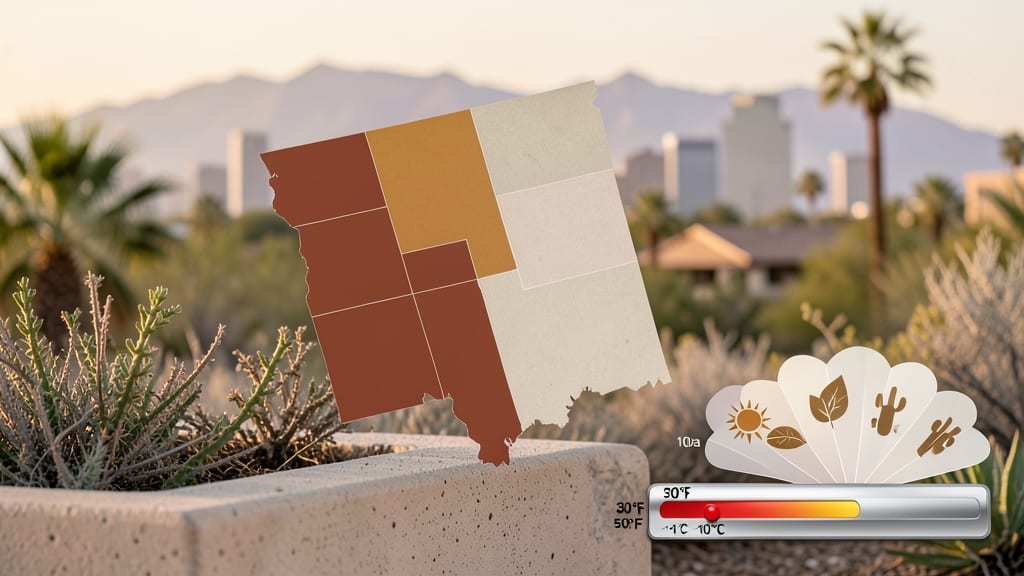
What gardening zone is Phoenix, AZ located in? The city falls within USDA Hardiness Zones 10a-10b, where winter lows typically range from 30°F (-1°C) to 35°F (2°C), though urban heat islands can extend into Zone 11a while higher elevations like the Phoenix Mountains drop to Zone 9b.
Phoenix's desert climate creates dramatic microclimate variations that defy standard USDA zone maps. The city's urban areas can bake at 120°F+ in summer while maintaining mild winters, allowing tropical plants like bougainvillea to thrive.
Meanwhile, higher elevations experience cooler nights that push some areas into Zone 9b. 🌵 This means gardeners must adjust planting zones based on their specific location—whether in a low-desert valley or mountain foothills—rather than relying on broad regional classifications.
Understanding these shifts helps explain why some nurseries recommend Zone 11 plants for Phoenix's hottest microclimates while others suggest Zone 9b varieties for cooler mountain areas. The key is observing your local frost patterns and heat retention—what works in downtown Phoenix may fail just 20 miles away in the foothills.
💡 In This Article
- How Phoenix’s Desert Climate Shifts USDA Zones
- Best Plants for Phoenix’s Zone 10a-10b Microclimates
How Phoenix’s desert climate shifts USDA zones
Phoenix’s USDA zone classification isn’t set in stone—it’s more like a moving target shaped by extreme temperature swings. The city’s low-desert elevation (1,100 ft) traps heat during the day, while clear skies allow rapid cooling at night, creating a 30°F+ temperature drop between day and night.
This daily fluctuation explains why the USDA’s Zone 10a-10b designation (based on average annual minimum temps) feels misleading—some urban pockets experience Zone 11a conditions during summer heatwaves, while higher elevations drop into Zone 9b.
The urban heat island effect plays a major role here. Downtown Phoenix’s concrete and asphalt absorb and radiate heat, pushing surface temperatures 10-15°F hotter than surrounding areas.
This creates microclimates where tropical plants like palm trees and citrus thrive year-round, while just 10 miles north in the foothills, cooler nights prevent some tropical species from surviving.
The USDA’s zone maps, which average data over large areas, simply can’t capture this granular variation—hence why Phoenix gardeners often need to adjust zones by 1-2 levels depending on location.
Monsoon season adds another layer of complexity. During July-September, Phoenix experiences 90% humidity spikes and 100°F+ temps for weeks, creating conditions more akin to Zone 11a in urban areas. Meanwhile, winter lows can drop to 25°F (-4°C) in high desert zones, pushing them closer to Zone 9b.
This seasonal shift means some plants may thrive in summer but struggle in winter—or vice versa—depending on elevation. For example, bougainvillea flourishes in downtown’s heat but may need winter protection in cooler microclimates.
Elevation becomes the game-changer in Phoenix’s geography. The city sits in a basin surrounded by mountains, creating dramatic temperature gradients. Areas like Scottsdale (1,200 ft) average Zone 10a, while Carefree (2,000 ft) leans toward Zone 9b.
The Phoenix Mountains (4,000+ ft) can experience 10°F colder nights than downtown, making frost a real risk for tropical plants. This is why nurseries often recommend “high-desert” varieties for these areas—plants bred to handle cooler temperatures while still surviving Phoenix’s 120°F summer afternoons.
What most gardeners overlook is how soil heat retention further skews USDA zones. Dark, rocky soils in urban areas absorb heat like a solar panel, while lighter, sandy soils in high-desert zones radiate heat faster.
This means a Zone 10a plant in downtown might survive winter, while the same plant in a high-desert microclimate could suffer frost damage. The solution? Pay attention to local frost dates and microclimate heat pockets
For practical application, think of Phoenix’s zones as a sliding scale. Start with Zone 10a-10b as your baseline, then adjust based on:
This approach turns the USDA’s broad strokes into actionable local knowledge. 🌵