
Tools
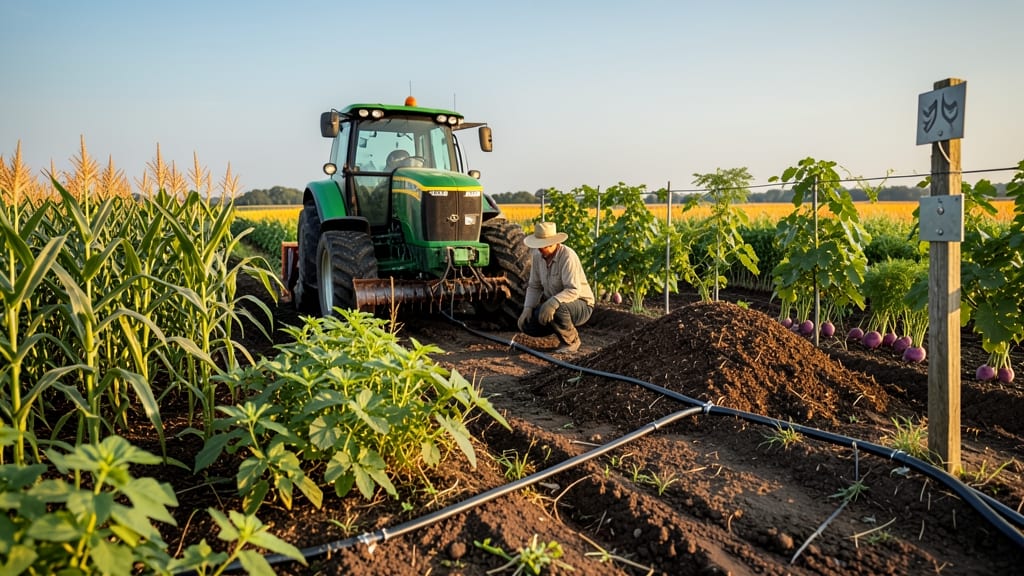
Gardening in agriculture is the small-scale, intentional growing of crops—including vegetables, fruits, and herbs—to strengthen food systems, preserve biodiversity, and promote eco-friendly farming methods. It blends classic gardening with advanced agricultural science to improve soil quality and increase harvest efficiency.
This approach isn't just about growing food—it's about creating resilient ecosystems. 🌱 Many modern farms use agricultural gardening to diversify their operations, reducing risks from pests or weather changes. For example, integrating flower borders around fields attracts pollinators while repelling harmful insects naturally.
The smaller scale also allows for more precise care, which often leads to higher-quality produce that commands better market prices.
What sets it apart from traditional farming is the focus on interconnected systems. Instead of monocultures, agricultural gardens often employ companion planting—pairing crops that benefit each other, like basil with tomatoes—to improve growth and flavor. This method mirrors nature's own patterns, making farms more self-sufficient over time.
💡 In This Article
- How Agricultural Gardening Differs from Large-Scale Farming
- Practical Applications of Gardening in Modern Farming Systems
How agricultural gardening differs from large-scale farming
Agricultural gardening operates on a fundamentally different scale than industrial farming. While large-scale operations focus on maximizing output through monocultures (single crops) like corn or soybeans—covering hundreds of acres with uniform planting—gardening prioritizes diversity and ecological balance.
A typical garden might grow 50+ plant varieties on just 1/10th of an acre, creating a micro-ecosystem that supports pollinators, beneficial insects, and soil microbes. This diversity reduces vulnerability to pests and diseases that can devastate monocrop fields.
The labor intensity is another key difference. Large farms rely on heavy machinery and synthetic inputs to manage 100+ acres per worker, while gardening demands hands-on attention—hand-weeding, precision irrigation, and crop monitoring.
For example, a 1-acre garden might require 500+ hours annually of active management compared to 20 hours per acre in mechanized farming. The trade-off? Gardens often produce 2-3x higher yields per square foot for high-value crops like tomatoes or herbs, where quality matters more than sheer volume.
Ecological focus shifts from chemical inputs to natural systems. Industrial farms frequently use synthetic fertilizers (100+ lbs nitrogen per acre annually) and pesticides to combat pests, while gardens leverage compost, mulch, and biological controls.
A well-designed garden can sequester 3-5 tons of CO₂ per acre yearly through healthy soil organic matter, compared to conventional farms that often lose soil carbon.
The sensory difference is striking too—gardens hum with biodiversity, from the buzz of bees to the rustle of earthworms, while monocrop fields often feel eerily quiet.
Modern agricultural gardening bridges these worlds through techniques like agroecology and permaculture. These methods integrate gardening principles into commercial operations, such as planting flower strips between crop rows to attract predatory insects that naturally control pests.
A 2020 USDA study found farms using these techniques saw 40% fewer pesticide applications while maintaining yields. The key innovation? Designing systems where each plant, insect, and microbe plays a role in the farm's resilience.
Consider the contrast in water use: A conventional cornfield might require 1,200 gallons per acre daily during drought, while a diversified garden with drought-resistant plants and mulch can thrive on 300-500 gallons per acre daily. This efficiency becomes critical as climate change intensifies water scarcity.
The sensory reward? Gardens produce food with 20-30% higher nutrient density due to slower growth and richer soil interactions, making each bite more vibrant in flavor and texture.
For farmers, the decision often comes down to market niche. Large-scale operations dominate commodity crops, while gardening excels in direct-to-consumer markets where customers value freshness, traceability, and sustainability.
A 5-acre garden farm might sell $50,000 worth of produce annually at farmers' markets compared to $20,000 per acre for conventional crops, but with 80% higher profit margins. The secret? Commanding premium prices for heirloom varieties and organic produce.
What most people don't realize is how gardening principles are now being adopted in regenerative agriculture. Techniques like biointensive farming (growing 4x more food per acre with hand tools) or silvopasture (integrating trees, crops, and livestock) prove that gardening's ecological wisdom can scale.
The result? Farms that don't just grow food, but restore ecosystems while doing so. 🌱