
Planting
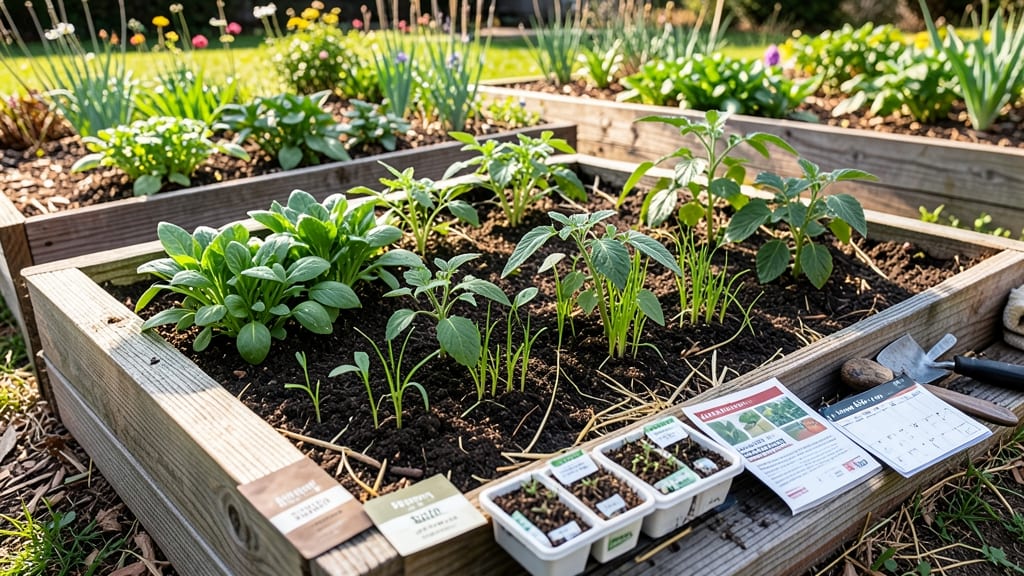
Planting your garden in Michigan can start as early as late March for hearty greens, but the real window—after your last frost—opens between late April and mid-June, depending on your zone.
Michigan’s unpredictable spring weather can make planning your garden a guessing game—plant too early and risk frost damage, too late and miss peak harvests. But with the right frost-free date timeline, you can maximize your growing season and avoid costly mistakes.
From USDA Zone 5b in the Upper Peninsula to Zone 6b in southern Michigan, frost dates vary by two to three weeks. Cool-season crops like lettuce and peas thrive when soil warms to 50°F, while tomatoes and peppers need to wait until late May or June.
Below, I’ll break down the exact frost-free dates by region, the best planting schedule for your favorite vegetables & flowers, and pro tips to adjust for Michigan’s ever-changing weather.
Michigan’s frost-free dates by USDA planting zones (2024 guide)
Michigan’s USDA Planting Zones 5-7 create unique frost-free timelines that can vary by 1-3 weeks between regions. The Lower Peninsula typically sees its last frost between April 15-25, while the Upper Peninsula can linger until May 10-20.
These dates are critical for determining when to plant frost-sensitive crops like tomatoes and peppers versus cold-hardy vegetables like spinach and peas.
For Zone 5b (northern Lower Peninsula), the average last frost date is April 20, while Zone 6a (southern Lower Peninsula) usually hits May 1. The Upper Peninsula’s Zone 5a often waits until May 10.
Always check your local microclimate—valleys and low-lying areas can experience frost 1-2 weeks later than hilltops.
Historical data shows Michigan’s frost-free season averages 150-180 days, but 2024’s unpredictable weather patterns may shift these timelines. Use a soil thermometer (minimum 50°F) and frost clocks from local agricultural extensions to fine-tune your schedule. For example, southern Michigan might see peppers planted by May 15, while northern regions should wait until June 1.
| USDA Zone | Avg. Last Frost | Avg. First Frost | Frost-Free Days | Cold-Hardy Crops | Frost-Sensitive Crops |
|---|---|---|---|---|---|
| Zone 5a (Upper Peninsula) | May 10-20 | Oct 5-15 | 150-160 | Peas, spinach, kale | Tomatoes, peppers (June 1) |
| Zone 5b (Northern Lower Peninsula) | April 20-30 | Oct 10-20 | 160-170 | Lettuce, radishes, carrots | Eggplant, basil (May 15) |
| Zone 6a (Southern Lower Peninsula) | May 1-10 | Oct 20-30 | 170-180 | Broccoli, cabbage, onions | Cucumbers, squash (May 1) |
| Zone 6b (Southeast Michigan) | April 25-May 5 | Nov 1-10 | 180-190 | Peas, fava beans, arugula | Melons, okra (April 30) |
*Dates are averages—always monitor local forecasts and soil temps!
Adjust your planting dates based on crop sensitivity.
For cool-season crops like lettuce and spinach, sow seeds 4-6 weeks before your last frost date. Warm-season crops such as tomatoes and peppers need soil temperatures above 60°F, so wait until 2 weeks after your last frost or use row covers for earlier starts.
In Zone 5a, start hardy vegetables like peas and potatoes indoors by March 15 for an early harvest. Meanwhile, Zone 6b gardeners can begin direct sowing of beans and corn as early as April 1. Always keep a
Best planting schedule for Michigan gardens: cool vs. warm season crops
Michigan gardeners know timing is everything—cool-season crops like lettuce and spinach thrive in spring’s chill, while tomatoes and peppers need warm soil to germinate. The key is aligning your planting with Michigan’s average last frost dates (mid-April in southern zones, late May in the UP) and soil temperatures.
Below, I’ll break down the best month-by-month schedule for your garden, so you can avoid frost damage and maximize harvests.
For cool-season crops, start seeds indoors in March or direct-sow in early April as soon as soil reaches 40°F (4°C). Warm-season crops like cucumbers and beans should wait until after Memorial Day (typically late May to early June) when soil is consistently 60°F (15°C).
Pro tip: Use row covers to extend early planting windows for frost-sensitive plants.
-
1. March-April (Cool-Season Starts)
Direct-sow spinach, kale, radishes, and peas as soon as soil is workable. Start onions and broccoli indoors. -
2. Late April-May (Post-Last Frost)
Transplant cabbage, cauliflower, and lettuce. Direct-sow carrots, beets, and herbs like parsley and cilantro. -
3. Early June (Warm-Season Kickoff)
Plant tomatoes, peppers, and eggplants after soil reaches 60°F (15°C). Direct-sow beans, corn, and squash. -
4. July-August (Succession Planting)
Sow bush beans, zucchini, and basil every 2 weeks for continuous harvests. Transplant fall broccoli and kale. -
5. September (Cool-Season Revival)
Direct-sow spinach, radishes, and turnips for a fall harvest. Transplant cabbage and brussels sprouts.
Don’t forget about herbs—basil and cilantro love warm weather, so plant them in late May after the last frost. Parsley and chives, however, are cool-season heroes and can handle light frosts in spring or fall.
For flowers, marigolds and zinnias thrive in warm soil, while pansies and snapdragons bloom beautifully in cooler temps.
Extend your season with season extenders like cold frames or low tunnels. These let you plant lettuce in early March or spinach in late September for harvests well into winter. Just monitor soil temps—50°F (10°C) is the magic number for most cool-season crops to thrive.
If you’re in northern Michigan (Zone 5), aim for late May to plant warm-season crops, while southern Michigan (Zone 6) gardeners can start as early as mid-April. Always check your local Almanac frost dates—they’re your best friend for adjusting timelines. Happy planting!