
Planting
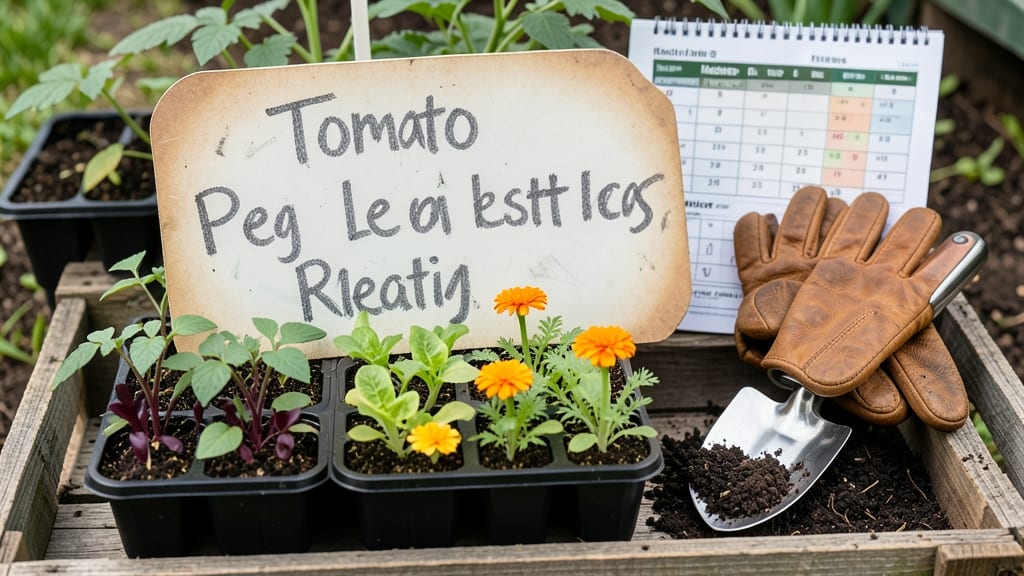
Plant your garden in Michigan between mid-April and late May after the last frost 🌱 — timing this right is the difference between a thriving harvest and a sad, wilted disappointment.
Michigan’s unpredictable weather can make or break your garden—planting too early risks frost damage, while waiting too long cuts your harvest short. These last frost dates by plant type will help you maximize your growing season.
Cool-season crops like lettuce and peas can handle a light frost, so you can start them as early as March in most zones. Warm-season crops like tomatoes and peppers, though, need to wait until after the last frost—usually around mid-May—to avoid stunted growth.
Below, I’ll break down the best planting schedule for Michigan’s USDA Zones 5a-6b, including when to start seeds indoors, direct-sow outdoors, and extend your season with row covers or cold frames.
Michigan’s last frost dates by region: critical planting windows for every zone
Michigan’s last frost dates vary dramatically across its USDA zones 5a-6b, making timing your garden’s biggest challenge—and opportunity. Whether you’re in the upper peninsula’s zone 5a or southern Michigan’s zone 6b, knowing when to plant can mean the difference between a thriving harvest and a sad, frost-nipped failure.
Let’s break down the critical dates by region so you can plan with confidence.
In northern Michigan (zones 5a-5b), like Traverse City, the average last frost date hovers around May 15, while southern Michigan (zones 6a-6b), including Detroit and Grand Rapids, typically sees its last frost by April 25-May 5.
These dates create a 2-3 week window that dictates when to plant cool-season crops like lettuce and peas versus warm-season crops like tomatoes and peppers.
Here’s a region-by-region breakdown of Michigan’s last frost dates and how they impact your planting schedule:
For cool-season crops like spinach, kale, and peas, plant them 4-6 weeks before your region’s last frost date. In zone 6b (Detroit), that means sowing seeds as early as March 1, while in zone 5a (Marquette), wait until April 15.
These crops thrive in cooler temperatures and can even handle light frosts.
On the other hand, warm-season crops like tomatoes, peppers, and cucumbers need to wait until 2-3 weeks after the last frost. In Traverse City (zone 5b), that’s around May 20, while in Grand Rapids (zone 6b), you can plant as early as April 25.
These plants are frost-sensitive and won’t survive even a light freeze.
Pro tip: Use row covers or cold frames to extend your planting window for heat-loving crops in cooler zones. For example, in zone 5a, you can start tomato seedlings indoors in March and transplant them outdoors under row covers after the last frost.
This trick adds 2-3 extra weeks to your growing season.
Don’t forget about fall planting! Many cool-season crops can be sown again in late summer for a second harvest. In zone 6b, aim for August 15-September 15, while in zone 5a, plant by July 15 to avoid early frosts.
Crops like radishes, lettuce, and carrots grow quickly and can be harvested before winter sets in.
Always check your local Almanac or weather station for real-time updates, as Michigan’s weather can be unpredictable. A sudden late frost in May or an early warm spell in March can throw off your plans.
When in doubt, err on the side of caution—it’s better to wait a few extra days than risk losing your plants to frost.
By aligning your planting schedule with your region’s last frost date, you’ll give your garden the best chance to thrive. Whether you’re growing vegetables, flowers, or herbs, timing is the key to a bountiful harvest in Michigan’s variable climate. Happy gardening! 🌱
Best planting schedule for Michigan gardens: when to start seeds indoors vs. direct-sow outdoors
Michigan gardeners know timing is everything—getting seeds in the ground too early can mean frost damage, while waiting too long cuts your harvest short. The key is balancing indoor seed starts with direct sowing outdoors, adjusted for your USDA zone (5a-6b) and last frost date.
I’ve grown tomatoes, peppers, and lettuce in Michigan for years, and these schedules have saved my plants from bolting or freezing.
For cool-season crops like lettuce and peas, you can start seeds directly in the garden as early as mid-March under row covers, but most gardeners wait until late April for safety. Warm-season crops like tomatoes and peppers, however, need a head start indoors to avoid stunted growth.
My rule? Start tomato seeds indoors 6-8 weeks before your last frost date—typically mid-March to early April for most of Michigan.
- 🌱 Cool-Season Crops (Lettuce, Peas, Spinach): Direct-sow outdoors 4-6 weeks before last frost (early April). Start indoors 2-3 weeks before transplanting if using seedlings.
- 🌿 Warm-Season Crops (Tomatoes, Peppers, Eggplants): Start seeds indoors 6-8 weeks before last frost (mid-March to early April). Transplant outdoors 2-3 weeks after last frost (late May).
- 🌻 Fast-Growing Warm-Season Crops (Beans, Cucumbers, Zucchini): Direct-sow outdoors 1-2 weeks after last frost (early May). No need for indoor starts.
- 🥬 Succession Planting (Lettuce, Radishes, Carrots): Sow every 2-3 weeks from early April to early June for continuous harvests.
- ❄️ Fall Planting (Kale, Broccoli, Brussels Sprouts): Start seeds indoors 8-10 weeks before first frost (late July to early August). Transplant outdoors 6-8 weeks before first frost (early September).
One common mistake I’ve seen is overestimating warm-season crops’ resilience. Tomatoes, for example, won’t tolerate temperatures below 50°F, so even if your last frost is in mid-April, don’t rush them outdoors.
Harden off your seedlings gradually by placing them outside for 2-3 hours daily starting 1-2 weeks before transplanting. This toughens their leaves and roots for the shock of outdoor conditions.
For direct-sowing outdoors, focus on fast-growing crops like radishes, lettuce, and bush beans—these can handle cooler soils and won’t mind if a late frost sneaks in. I always keep a row cover handy for these early plantings, as it can add 2-4°F of warmth and protect tender seedlings.
If you’re in northern Michigan (Zone 5a), err on the side of caution and wait until late May for warm-season crops like peppers, which are especially sensitive to cold.
Don’t forget about fall planting! Cool-season crops like kale and Brussels sprouts thrive in Michigan’s crisp autumn air. Start these indoors in late July and transplant by early September to ensure they mature before the first frost.
My late-September harvests of kale are some of the sweetest I get all year—worth the extra planning!
Pro tip: Use a planting calendar or mark your last frost date on a physical calendar to avoid guesswork. I also keep a garden journal to track when I start seeds and transplant, so I can adjust future years based on real data.
With these schedules, you’ll avoid the heartbreak of lost plants and enjoy a longer, more productive growing season—no matter where in Michigan you garden. 🌱