
Fertilization
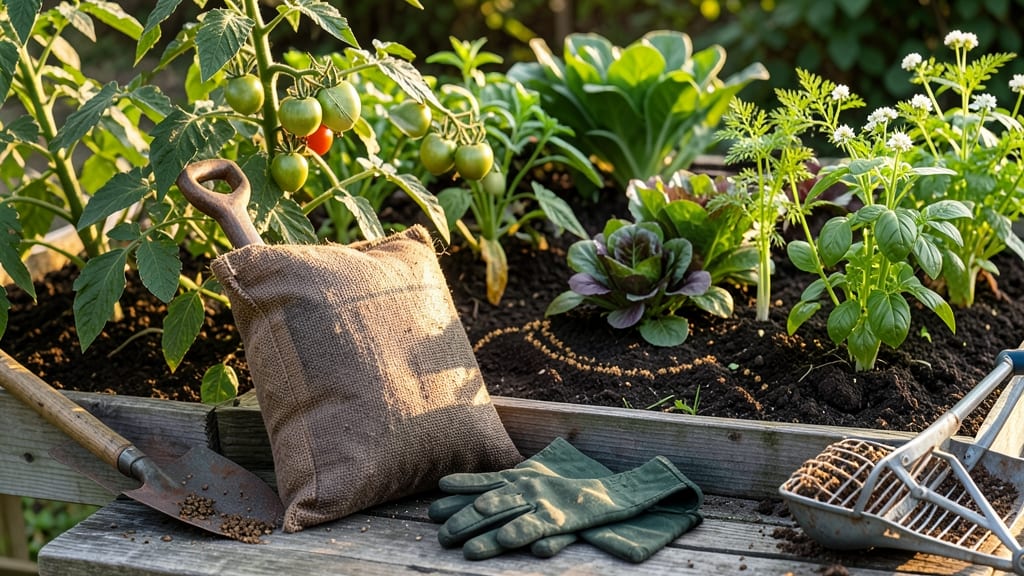
You should fertilize your garden when soil temperatures hit 60°F and plants are actively growing — a window that opens in late spring for most of us in Zone 6.
Timing your garden fertilization isn’t just about throwing down nutrients—it’s about syncing with your plants’ natural growth cycles to unlock explosive root development and bountiful harvests. Miss this window, and you risk burning tender roots or wasting fertilizer on dormant soil.
Spring is the most critical time for feeding 🌱, but summer bloomers and lawns need their own schedules. A quick soil test reveals whether your garden craves nitrogen for leafy greens, phosphorus for flowers, or potassium for strong stems.
Here’s how to match your fertilizer to the season, plant type, and climate—so you’re feeding your garden exactly when it’s ready to thrive.

The exact spring soil test triggers that signal fertilization time
Spring is the perfect time to wake up your garden—but not all soils are ready for fertilization. The key lies in interpreting your soil test results like a pro.
When your soil pH falls between 6.0 and 7.0 and organic matter sits below 5%, those are your green lights to fertilize. These triggers ensure your plants can access nutrients efficiently without stress.
Your soil test will reveal three critical numbers: nitrogen (N), phosphorus (P), and potassium (K). If nitrogen levels are below 50 ppm, your leafy greens and vegetables will struggle to grow.
Meanwhile, phosphorus under 20 ppm signals poor root development, while potassium below 100 ppm weakens disease resistance. These deficiencies are your cues to act.
| Soil Condition | Trigger Value | Action | Best Time |
|---|---|---|---|
| pH Level | Below 6.0 or Above 7.5 | Amend with lime (raise) or sulfur (lower) | Early spring (4-6 weeks before planting) |
| Nitrogen (N) | Below 50 ppm | Apply nitrogen-rich fertilizer (e.g., blood meal or compost) | At planting and mid-season |
| Phosphorus (P) | Below 20 ppm | Add bone meal or rock phosphate | Pre-planting (work into soil) |
| Potassium (K) | Below 100 ppm | Use greensand or wood ash | Early spring or late summer |
| Organic Matter | Below 5% | Add compost or well-rotted manure | Fall or early spring |
Don’t wait until your plants show signs of stress—like yellowing leaves or stunted growth. By the time you notice these symptoms, your garden has already missed its optimal fertilization window.
Instead, test your soil in early spring (February-March) and act on the results by mid-April, just before your last frost date. This timing ensures nutrients are available when roots are actively growing.
For vegetables like tomatoes and peppers, aim to fertilize when soil temperatures hit 60°F. These heat-loving plants thrive when nitrogen is abundant, but too much too soon can lead to foliar burn. Start with a balanced 10-10-10 fertilizer at half-strength to avoid overwhelming young roots.
If your soil test reveals high phosphorus but low nitrogen, prioritize a nitrogen boost first. Leafy greens like spinach and lettuce will respond immediately to a light application of fish emulsion or alfalfa meal.
For flowering plants like roses or petunias, focus on phosphorus to encourage blooms, but don’t neglect potassium for disease resistance.
One mistake I see often is ignoring micronutrients like calcium, magnesium, and iron. These are just as critical as NPK. If your soil test shows deficiencies, consider a chelated micronutrient fertilizer to prevent issues like blossom-end rot in tomatoes or yellowing between leaf veins.
These fixes take time, so address them in early spring before planting.
Remember, organic matter isn’t just about feeding plants—it’s about improving soil structure. Aim for at least 5% organic matter to retain moisture and provide slow-release nutrients. If your test shows lower levels, mix in 2-3
Fertilizer timing by plant type: when to feed vegetables vs. flowers vs. lawns
Timing your fertilizer applications makes all the difference between lush, productive plants and nutrient-burned failures. Vegetables, flowers, and lawns each have unique growth cycles that dictate when they need feeding.
For vegetables like tomatoes and peppers, focus on nitrogen-heavy feeds during early growth, while flowers like roses and petunias thrive with phosphorus boosts when buds form. Lawns, meanwhile, benefit from slow-release nitrogen every 6-8 weeks during their active growing season.
Understanding these cycles isn’t just about throwing down fertilizer—it’s about strengthening roots and encouraging targeted growth phases. For example, leafy greens need nitrogen early, but fruit-bearing plants shift focus to phosphorus and potassium as they mature.
Even lawns have different needs based on whether they’re cool-season or warm-season grasses. Let’s break down the best times to feed each category for maximum impact.
| Plant Type | Pre-Planting | Early Growth | Mid-Season Boost | Key Nutrient Focus |
|---|---|---|---|---|
| Vegetables | At planting (balanced 10-10-10) | 4-6 weeks after sprouting (nitrogen-heavy) | Fruiting stage (phosphorus + potassium) | N-P-K ratio: 3-1-2 for leafy greens, 1-2-2 for fruiting plants |
| Flowers | At planting (phosphorus-rich) | Bud formation (low nitrogen, high phosphorus) | Blooming stage (potassium for color) | N-P-K ratio: 5-10-10 for annuals, 2-4-3 for perennials |
| Lawns | Early spring (slow-release nitrogen) | Every 6-8 weeks (high nitrogen) | Late summer (potassium for winter hardiness) | N-P-K ratio: 25-0-5 for cool-season, 30-0-4 for warm-season |
For vegetables, I always start with a balanced fertilizer at planting to jumpstart root development. Then, switch to a nitrogen-rich feed when seedlings emerge—this promotes leafy growth.
Once flowers or fruit appear, shift to a phosphorus-potassium blend to support reproductive growth. For example, tomatoes love a 5-10-10 mix when they start flowering.
When it comes to flowers, timing is everything. Feed with a low-nitrogen, high-phosphorus fertilizer as buds form to encourage blooming. Avoid over-fertilizing with nitrogen, or you’ll get leafy stems instead of flowers.
For roses, I use a 10-20-20 mix every 4-6 weeks during their blooming season. In late summer, switch to a potassium-heavy feed to strengthen stems for winter.
Lawns are different—they need consistent feeding but in seasonal waves. Cool-season grasses like Kentucky bluegrass should get their first nitrogen feed in early spring and again in fall, while warm-season grasses like Bermuda thrive with summer fertilizing.
Always use a slow-release formula to avoid nutrient runoff, especially after rain.
One common mistake is fertilizing during dormant seasons. Plants in winter or extreme heat won’t use nutrients efficiently, leading to waste. Instead, focus on early spring and late summer for most regions. For container gardens, feed every 3-4 weeks with a diluted liquid fertilizer to avoid salt buildup.
Pro tip: Always water your plants deeply after fertilizing to help nutrients reach the roots. For drought-prone areas, use a mycorrhizal inoculant with your fertilizer to improve root absorption.
With the right timing, your garden will reward you with stronger roots, bigger blooms, and bumper crops all season long! 🌱