
Container Gardens
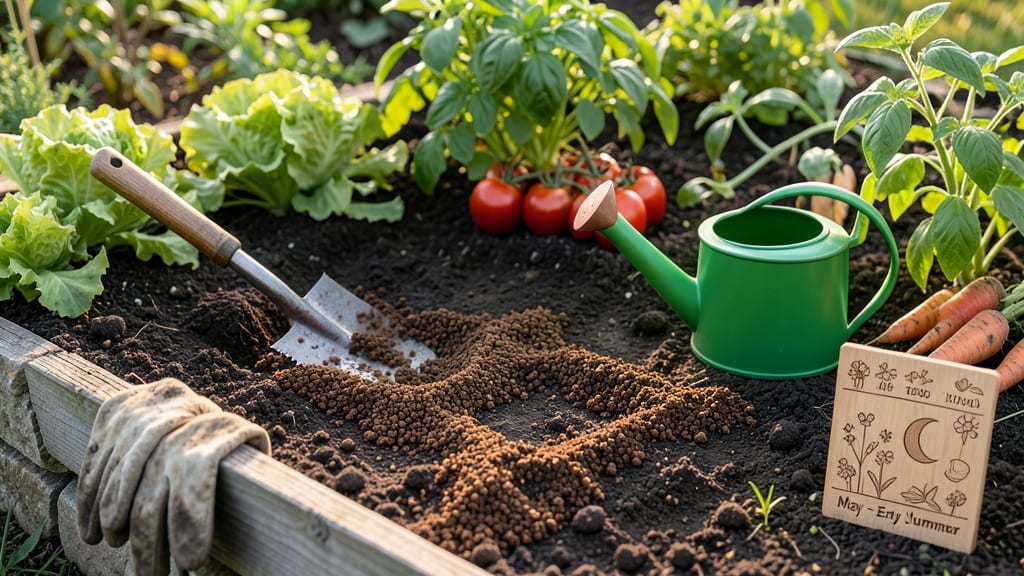
To fertilize your garden at the right times, focus on plant type and season: start with a balanced fertilizer in early spring before planting, feed flowering plants again mid-season, and use slow-release options in fall for root growth. Vegetables, lawns, and perennials each have unique timing needs tied to their growth cycles.
Timing matters because plants absorb nutrients most efficiently during specific growth phases—spring kickstarts new growth, summer supports flowering/fruiting, and fall strengthens roots for winter. 🌱 For vegetables, I always fertilize at planting and again when they start producing, while perennials often need just one spring feeding.
The key is matching fertilizer type (organic or synthetic) to your plants' current needs—overfeeding can burn roots, just like underwatering!
Pro tip: Test your soil first! Most garden centers offer simple pH kits, and adjusting fertilizer based on results can save you money while preventing nutrient imbalances. I’ve learned that patience pays off—rushing fertilization often leads to lush leaves but poor blooms or fruit.
💡 In This Article
- Seasonal Fertilizing Schedule for Different Plants
- Signs Your Garden Needs Fertilizer and How to Adjust
Seasonal fertilizing schedule for different plants
Plants absorb nutrients most efficiently during specific growth phases, which is why timing matters so much. In early spring, when soil temperatures rise to 50-60°F, roots become active and start absorbing nutrients to fuel new growth.
This is the perfect window for applying a balanced fertilizer (like 10-10-10) to vegetables and annuals before planting. Think of it like giving your plants a jumpstart—just as you wouldn't skip breakfast before a long day, plants need that initial nutrient boost to thrive. 🌱
Summer is all about supporting flowering and fruiting, which requires higher phosphorus and potassium levels. For flowering plants, I recommend a second feeding mid-season (around 6-8 weeks after planting) with a fertilizer high in phosphorus (like 5-10-5) to encourage blooms.
Vegetables like tomatoes and peppers benefit from a third feeding when they start producing fruit, using a fertilizer with slightly more nitrogen (like 7-7-7) to sustain their heavy nutrient demands. The key is to avoid overfeeding—too much nitrogen in summer can lead to lush foliage but fewer flowers or fruits.
Fall fertilization focuses on root development and winter hardiness. As temperatures drop below 60°F, plants shift their energy toward storing nutrients in roots. Slow-release fertilizers (like compost or organic pellets) work best here because they provide a steady supply of nutrients over time without risking winter burn.
For perennials, a light feeding in early fall helps them build reserves for next year's growth, while lawns benefit from a final application of winterizer fertilizer (high in potassium) to strengthen roots before dormancy. 🍂
Climate plays a huge role in these timings. In warmer regions, you might fertilize slightly later in spring or even have a third feeding in late summer for heat-loving plants like peppers.
Conversely, in cooler climates, fall fertilization should happen earlier (by late September) to allow roots to absorb nutrients before the ground freezes. Always check your local frost dates and adjust accordingly—plants can't absorb nutrients when the ground is frozen!
One common mistake is fertilizing too late in the season. If you apply nitrogen-heavy fertilizers in late summer, you'll likely see a flush of new growth that won't have time to harden off before winter, making plants more vulnerable to cold damage.
Instead, focus on potassium-rich fertilizers in fall to boost cold resistance. For container gardens, which dry out faster, I recommend fertilizing every 4-6 weeks during the growing season with a water-soluble fertilizer to keep up with nutrient leaching.
For lawns, the schedule shifts slightly: apply a balanced fertilizer in early spring, then again in early summer for active growth, and use a winterizer blend in fall. The difference?
Lawns are always "growing," so they need more frequent but lighter feedings compared to vegetables or perennials. 🌿 Always water deeply after fertilizing (about 1 inch) to help nutrients reach the roots—this is especially critical in sandy soils where nutrients wash away quickly.