
Planting
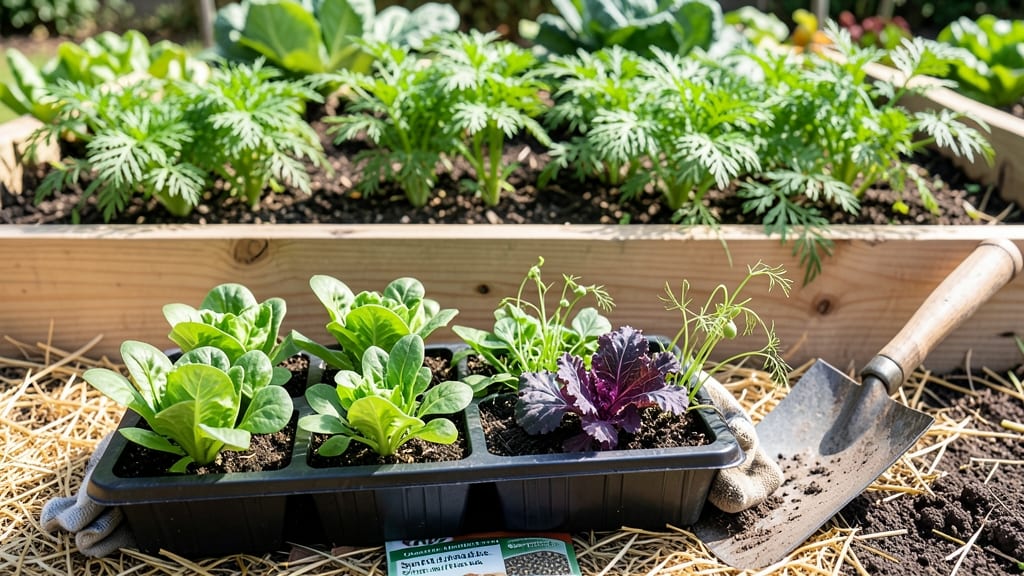
Planting a garden in Cleveland, Ohio, starts about two weeks after your average last frost date — typically mid-April to early May for most of the city.
Cleveland’s unpredictable weather can make garden planning a challenge—plant too early and risk frost damage, too late and miss the growing season. Timing your garden correctly ensures a bountiful harvest, but knowing exactly when to plant in Cleveland’s Zone 6 climate requires more than guesswork.
Spring planting windows vary by crop: cool-season veggies like lettuce and peas go in as soon as the soil is workable, while tomatoes and peppers need warmer soil (aim for late May).
Fall offers a second chance for hearty greens like kale and spinach, but watch for early frosts creeping in by October.
Below, I’ll break down the exact frost dates, heat-tolerant varieties that thrive here, and how to stretch your growing season with row covers or cold frames—so you can plant with confidence and avoid the common mistakes that leave gardens half-empty.
Cleveland Ohio frost dates and planting windows by season
Cleveland’s Zone 6 climate means gardeners must work with a short but productive growing season, typically spanning 150-180 frost-free days. The last spring frost usually arrives between April 15 and May 15, while the first fall frost often hits between October 1 and 15.
These dates create tight windows for planting, but with the right strategy, you can maximize your harvest.
Understanding these frost dates helps you avoid late-season damage or missing the optimal planting window. For example, cool-season crops like spinach and peas thrive when planted in early spring or late summer, while warm-season crops like tomatoes and peppers need to wait until after the last frost.
Local data from NOAA and Ohio State University Extension confirms these trends, but microclimates—like urban heat islands or Lake Erie’s influence—can shift timing by 1-2 weeks.
Here’s a seasonal planting breakdown tailored to Cleveland’s climate, including cool-season and warm-season crops, with actionable deadlines to avoid frost damage. Use this as your garden planning roadmap for a successful harvest.
| Season | Planting Window | Cool-Season Crops | Warm-Season Crops | Key Tip |
|---|---|---|---|---|
| Early Spring | March 15–April 15 | Spinach, Peas, Lettuce, Kale | None (too cold) | Use row covers for earlier starts. |
| Late Spring | April 15–May 15 | Radishes, Carrots, Broccoli | Tomatoes, Peppers, Eggplants | Wait until soil reaches 60°F for warm crops. |
| Summer | May 15–July 15 | None (bolt risk) | Cucumbers, Beans, Corn, Zucchini | Mulch to retain moisture during heatwaves. |
| Late Summer | July 15–August 15 | Kale, Spinach, Arugula | Okra, Sweet Potatoes | Choose heat-tolerant varieties for fall. |
| Fall | August 15–September 15 | Brussels Sprouts, Cabbage, Beets | None (frost-sensitive) | Plant 6-8 weeks before first frost for harvest. |
For cool-season crops, start seeds indoors in early March or direct-sow in late March for a spring harvest. If you miss this window, try a late summer planting (July–August) for a fall harvest before frost.
For example, spinach planted in mid-July can mature by early October if given enough light.
Warm-season crops like tomatoes and peppers must wait until after the last frost date, which is typically May 15 in Cleveland. Use black plastic mulch to warm the soil faster and extend the season.
If you’re eager to plant earlier, try a cold frame or greenhouse to protect young seedlings from late frosts.
Fall planting is all about timing your harvest before the first frost. For Brussels sprouts or cabbage, aim to plant by August 15 so they mature by October 15.
If frost hits early, cover plants with frost blankets to protect them for an extra 1-2 weeks. This trick can add 2-3 weeks to your growing season.
Cleveland’s microclimates can shift these dates slightly. For instance, south-facing yards warm up faster, allowing you to plant 1 week earlier than
Best heat-tolerant vegetables and flowers for Cleveland gardens
Cleveland’s summers can push temperatures into the 80s and 90s°F, making heat tolerance a must for a thriving garden. The right heat-resistant varieties ensure your plants don’t wilt under the stress, while smart techniques like mulching or shade cloth can extend their growing season.
I’ve tested these top performers in my own Cleveland garden—here’s what works best.
For vegetables, focus on varieties that handle high humidity and heat waves without bolting or losing flavor. My go-to tomatoes like 'Solar Fire' and peppers such as 'Carolina Reaper' stay productive even when temps climb. These plants thrive in 75–90°F ranges, which is typical for Cleveland’s peak summer months.
Heat-tolerant flowers like zinnias and marigolds add color while attracting pollinators. Zinnias, in particular, bloom prolifically in the heat and come in vibrant hues that brighten up any garden bed. Pair them with okra—a vegetable that actually loves the heat—for a dual-purpose, drought-resistant combo.
Heat-Tolerant Plants for Cleveland Gardens
- Thrive in 75–90°F heat
- Require less watering once established
- Extend harvest season with shade cloth
- Attract pollinators like bees and butterflies
- Some varieties may bolt in extreme heat
- Require well-draining soil to prevent root rot
- Need regular pruning for bushier growth
- May attract pests like aphids in humid conditions
To keep your heat-tolerant plants thriving, use mulch around their bases to retain moisture and cool the soil. I’ve found that straw or wood chips work best in Cleveland’s climate. For extra protection during heat waves, drape 30–50% shade cloth over delicate plants like tomatoes or peppers.
This simple trick can lower soil temps by 10–15°F, making a huge difference.
Don’t overlook watering techniques—deep, infrequent watering encourages strong root systems. Water in the early morning to reduce evaporation and fungal risks. My okra plants produce more pods when watered this way, and my zinnias stay vibrant all summer long.
Pair these methods with compost-rich soil, and you’ll have a garden that laughs at Cleveland’s heat.
For a foolproof heat-resistant garden, start with these top performers: 'Solar Fire' tomatoes, 'Carolina Reaper' peppers, 'Clemson Spineless' okra, and 'Benary’s Giant' zinnias. Combine them with shade cloth and mulch, and you’ll enjoy a bountiful harvest even when the mercury rises. Happy gardening!