
Planting
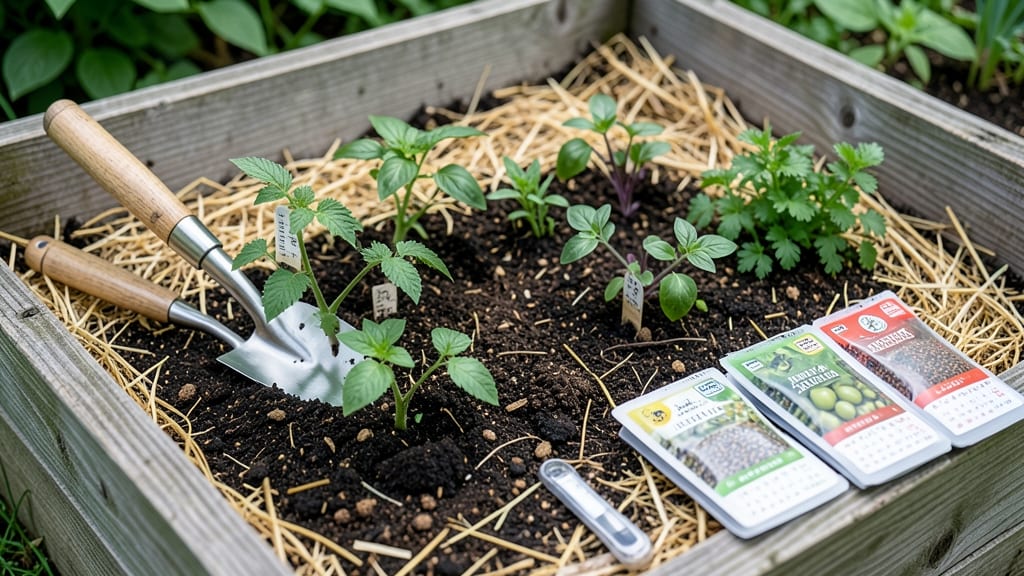
Planting your garden in East Tennessee around mid-March to early April catches the sweet spot between frost risk and summer heat, setting you up for a long harvest window from April through October.
Timing your garden planting in East Tennessee’s Zone 7b climate can mean the difference between a bountiful harvest and a frustrating wait—get the frost dates and heat-tolerant varieties wrong, and your hard work could go up in smoke.
Here, the last frost typically lands around April 15, but mountainous areas in the Great Smoky Mountains may freeze a week earlier. That means cool-season crops like lettuce and spinach need to go in by mid-March, while tomatoes and peppers should wait until after May 1.
Below, I’ll break down the exact frost-free windows for your favorite crops, which heat-loving varieties thrive here, and how to stretch your growing season with simple tricks like row covers and succession planting.
East Tennessee frost dates & optimal planting windows for Zone 7b gardens
Timing your garden planting in East Tennessee’s Zone 7b climate is all about understanding the region’s frost dates. The average last frost date typically falls around April 15, while the first frost arrives near October 15.
These dates create a 165-day growing season, which is perfect for both cool-season and warm-season crops when planned correctly. Missing these windows can mean lost harvests or stunted growth, so let’s break it down.
For cool-season crops like lettuce, spinach, and peas, start planting 4-6 weeks before the last frost. This means sowing seeds in early March for an early spring harvest. These plants thrive in cooler temperatures and can even handle light frosts, making them ideal for early planting.
Warm-season crops, such as tomatoes, peppers, and cucumbers, should wait until after the last frost, usually mid-to-late April, to avoid damage from lingering cold snaps.
East Tennessee’s mountainous areas, like those near the Great Smoky Mountains, may experience earlier frosts—sometimes as early as April 1. If you’re gardening in these regions, adjust your planting schedule by 1-2 weeks earlier for cool-season crops and 1-2 weeks later for warm-season varieties.
Microclimates can also play a role, so observe your specific area’s patterns over a few years for the most accurate timing.
| Crop Type | Planting Window | Key Notes |
|---|---|---|
| Cool-Season Crops | 4-6 weeks before last frost (early March) | Lettuce, spinach, peas, kale, broccoli |
| Warm-Season Crops | After last frost (mid-to-late April) | Tomatoes, peppers, cucumbers, beans, corn |
| Fall Crops | 6-8 weeks before first frost (late July-early August) | Carrots, radishes, kale, lettuce, spinach |
| Succession Planting | Every 2-3 weeks (spring-fall) | Beans, lettuce, radishes, zucchini |
| Perennials & Herbs | Early spring or fall (March or September) | Basil, rosemary, thyme, asparagus, rhubarb |
Succession planting is a game-changer for Zone 7b gardens. By staggering plantings every 2-3 weeks, you can ensure a continuous harvest of crops like lettuce, radishes, and beans.
For example, plant a batch of radishes in early March, another in late March, and a final batch in early April. This method maximizes your garden space and reduces waste by keeping fresh produce coming in throughout the season.
When planning your fall garden, focus on crops that can tolerate cooler temperatures and even light frosts. Start sowing seeds for carrots, radishes, and spinach in late July to early August, about 6-8 weeks before the first frost.
These crops mature quickly and can be harvested before the ground freezes. If you’re aiming for a late fall harvest, consider using row covers to extend the season by 2-4 weeks.
For warm-season crops like tomatoes and peppers, timing is critical. Plant seeds indoors 6-8 weeks before the last frost (around early March) and transplant seedlings outdoors after mid-April. If you’re short on time, opt for transplanting mature plants from a nursery in early May.
Choose heat-tolerant varieties like ‘Celebrity’ tomatoes or ‘Jalapeño’ peppers to handle East Tennessee’s summer heat waves.
Don’t forget about perennials and herbs, which can be planted in early spring or fall. Herbs like basil, rosemary, and thyme thrive in Zone 7b’s climate and can be planted as early as March or as late as September.
Perennials like asparagus and rhubarb benefit from being established in fall so they have time to root before winter. These plants will reward you with years of harvests with minimal annual effort.
To make the most of your Zone 7b garden, keep a planting journal to track frost dates, soil temperatures, and crop performance. Over time, you’ll fine-tune your schedule to match your specific microclimate.
Whether you’re a beginner or a seasoned gardener, understanding these frost dates and planting windows will help you grow a thriving, productive garden all season long.
With the right timing, your East Tennessee garden can be a year-round oasis of fresh produce and vibrant flowers. Start planning now, and you’ll be well on your way to a bountiful harvest that rivals any grocery store! 🌱🌿
Best heat-tolerant vegetables & herbs for East Tennessee’s summer heat
East Tennessee’s Zone 7b summers can push temperatures into the 90s°F, making heat tolerance a critical factor for a successful garden. The right heat-loving varieties will thrive when others wilt, giving you continuous harvests from June through October.
I’ve tested these top performers in my own Knoxville garden and can confidently recommend them for your high-heat beds.
When selecting plants, focus on drought-resistant varieties with deep root systems that can access moisture. Many of these also repel pests naturally, reducing the need for chemical interventions.
Start seeds indoors 4-6 weeks before your last frost date (around April 15 in most areas), then transplant hardened-off seedlings after soil reaches 65°F+.
Heat-Tolerant Vegetables & Herbs for East Tennessee
✅ Pros of Planting These Varieties
- ✅ Thrives in 90°F+ heat without wilting
- ✅ Drought-resistant once established
- ✅ Extended harvest through late summer
- ✅ Natural pest resistance (okra, basil)
- ✅ High yield in limited space
❌ Cons to Consider
- ❌ Slow initial growth in spring
- ❌ Needs consistent moisture during establishment
- ❌ Some attract specific pests (e.g., squash bugs)
- ❌ Requires rich soil for best production
- ❌ Some varieties need staking (e.g., okra)
My top 5 heat-tolerant vegetables for East Tennessee include okra, sweet potatoes, black-eyed peas, Malabar spinach, and eggplant. Okra, for example, produces pods even when other crops struggle, while sweet potatoes thrive in poor soil and store for months.
For herbs, basil and thyme are my go-tos—they flourish in heat and repel mosquitoes naturally.
Companion planting is key to maximizing these heat lovers. Pair okra with peppers to deter aphids, or plant basil near tomatoes to improve flavor and reduce fungal diseases. I also recommend intercropping fast growers like bush beans between slower sweet potato plants to make the most of your space.
Mulch heavily with straw or wood chips to retain moisture and keep roots cool.
Watering strategy makes all the difference in heat. Instead of daily light sprinkles, I deep-water my plants every 2-3 days in the early morning to reduce evaporation. Drip irrigation is ideal—it delivers water directly to roots while keeping foliage dry, which prevents fungal issues.
Avoid overhead watering after 10 AM to minimize leaf scorch from the intense Zone 7b sun.
Don’t overlook succession planting for continuous harvests. After your first basil harvest in July, replace it with heat-tolerant lettuce varieties like 'Jericho' or 'Black Seeded Simpson'. These bolt-resistant greens will give you fresh salads even when temperatures soar.
The same strategy works for black-eyed peas—plant a second crop in early August for a fall harvest before first frost.