
Planting
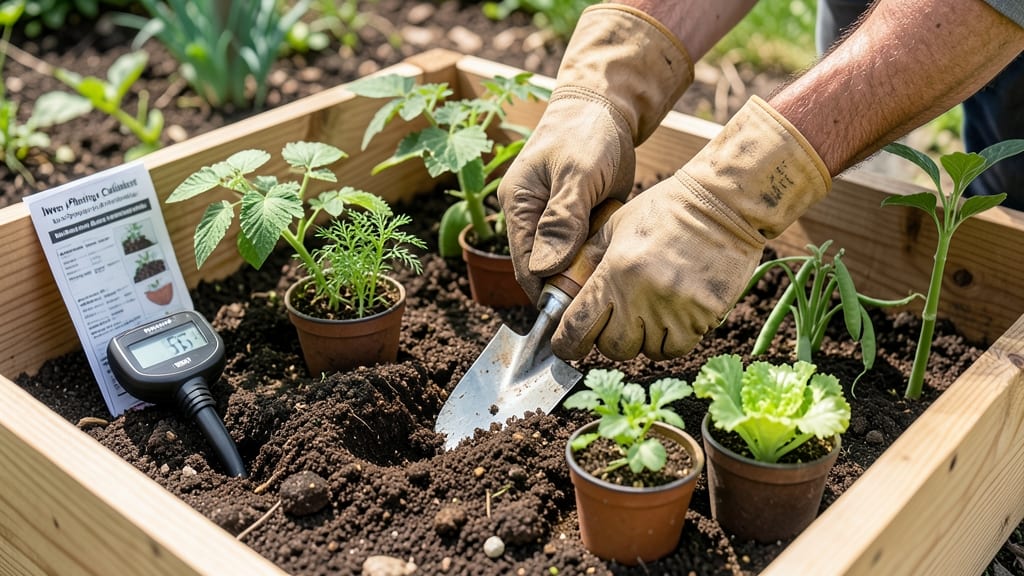
Planting a garden in Iowa at the right time means knowing your county’s last frost dates—because getting it wrong can leave you with wilted seedlings or a harvest cut short by unpredictable weather.
Iowa’s spring weather can turn a gardener’s excitement into frustration: one day it’s 60 degrees, the next a hard freeze. Timing your garden correctly means avoiding those costly mistakes and maximizing your growing season.
From USDA Zones 4a to 5b, every corner of the state has its own frost timeline.
Whether you’re planting cool-season veggies like spinach or warm-season favorites like tomatoes, the difference between a bountiful harvest and a failed crop often comes down to when you put those seeds in the ground.
Here’s what you need to know about frost dates, soil prep, and the best planting windows—so you can start your garden with confidence and avoid the common pitfalls that trip up even experienced gardeners.
Iowa’s last frost dates by county: when to plant cool-season vs warm-season crops
Understanding your county’s last frost date is the key to successful gardening in Iowa. The state spans USDA Zones 4a-5b, meaning frost can linger into late May in northern areas while southern counties may see frost-free conditions by mid-April.
These differences dramatically impact when you can safely plant warm-season crops like tomatoes and peppers versus cool-season crops like lettuce and peas.
For example, Sioux City in northwest Iowa typically sees its last frost around May 15, while Des Moines averages May 5. Meanwhile, Dubuque in northeast Iowa often waits until May 20.
These variations mean your planting schedule should adjust based on your exact location—even neighboring counties can have 1-2 week differences in frost timing.
Iowa’s first frost dates also vary widely, with northern areas facing frost as early as September 20, while southern counties may extend the season until October 15.
This creates a 100-120 day growing season in most of the state, which is why timing is critical for maximizing your harvest.
Here’s how to use this data: Cool-season crops like broccoli and spinach can often be planted 4-6 weeks before your last frost date, while warm-season crops like cucumbers and beans need to wait until 2 weeks after your last frost. Herbs like basil are particularly sensitive and should never be planted until all danger of frost has passed.
| County | Avg Last Frost | Cool-Season Planting Window | Warm-Season Planting Window | Microclimate Notes |
|---|---|---|---|---|
| Polk (Des Moines) | May 5 | March 20 - April 15 | May 20 - June 5 | Urban areas warm faster |
| Woodbury (Sioux City) | May 15 | April 1 - April 25 | May 30 - June 10 | River valleys stay cooler |
| Dubuque | May 20 | April 5 - April 30 | June 1 - June 15 | Hillsides warm earlier |
| Scott (Davenport) | April 25 | March 1 - April 10 | May 10 - May 25 | Mississippi River moderates temps |
| Cedar Rapids | May 10 | March 25 - April 20 | May 25 - June 5 | Valley areas stay cooler |
Microclimates play a huge role in Iowa’s gardening success. For instance, urban areas like Des Moines often warm up 1-2 weeks earlier than rural surroundings due to the urban heat island effect.
Conversely, river valleys and low-lying areas tend to stay cooler longer, delaying your planting window by 5-7 days. Always check local weather forecasts for 5-day outlooks before planting frost-sensitive crops.
For cool-season crops, start seeds indoors 6-8 weeks before your last frost date. Hardy varieties like kale and carrots can even handle light frosts, so you can plant them 2-3 weeks before your average last frost. Peas and spinach are excellent early spring choices that tolerate 28°F temperatures, making them ideal for Iowa
Iowa plant hardiness zones: how USDA zone 4a-5b affects your garden’s success
Iowa spans USDA hardiness zones 4a through 5b, meaning gardeners face short growing seasons and late spring frosts that can devastate tender plants. Understanding your specific zone helps you choose frost-resistant varieties and time plantings for maximum success.
Northern Iowa (zone 4a) has earlier last frost dates than southern counties (zone 5b), creating a 2-3 week difference in planting windows.
Zone 4a (northern Iowa) averages 130-140 frost-free days, while zone 5b (southern Iowa) enjoys 150-160 days. This difference affects everything from perennial survival to warm-season crop maturity. For example, tomatoes in zone 4a need early-maturing varieties (like 'Early Girl'), while zone 5b can handle larger-fruited types.
| Zone Type | Avg. Last Frost | Perennial Planting | Annual Start | Microclimate Tip |
|---|---|---|---|---|
| 4a (North) | May 10-15 | Early April | Indoor starts by March 1 | Use row covers for extra warmth |
| 4b (Central) | May 1-5 | Mid-April | Indoor starts by March 15 | South-facing walls extend season |
| 5a (South) | April 25-May 1 | Late March | Indoor starts by March 1 | Urban areas may be 1-2° warmer |
| 5b (Extreme South) | April 20-25 | Early April | Direct sow after April 15 | Rural areas cool faster at night |
Urban gardeners in Des Moines or Cedar Rapids (zone 5a) often experience microclimates 2-3° warmer than rural areas due to concrete heat absorption. This means you can plant sensitive crops like peppers 5-7 days earlier than neighbors in open fields.
Conversely, northern Iowa's zone 4a requires cold-hardy perennials like coneflowers and black-eyed Susans for reliable returns year after year.
For annual vegetables, zone 4a gardeners should start seeds indoors 8-10 weeks before last frost (by March 1), while zone 5b can begin direct sowing after April 15. Perennials like lavender or Russian sage thrive in zone 5b but may struggle in zone 4a without winter protection.
Always check Iowa State University Extension for county-specific adjustments.
Adjust your planting calendar by zone: Zone 4a's cool-season crops (kale, spinach) can go in early April, while zone 5b can wait until mid-April. Warm-season crops like corn and beans need soil temps above 55°F, which typically occurs 2 weeks earlier in zone 5b than zone 4a.
Remember: Microclimates matter. A south-facing slope warms up faster than a north-facing yard, potentially extending your season by 1-2 weeks. Use these zone guidelines as a starting point, then observe your own garden's patterns for 3-5 years to refine timing.
The key to Iowa gardening success is flexibility and preparation—know your zone, but stay ready to adapt! 🌱