
Planting
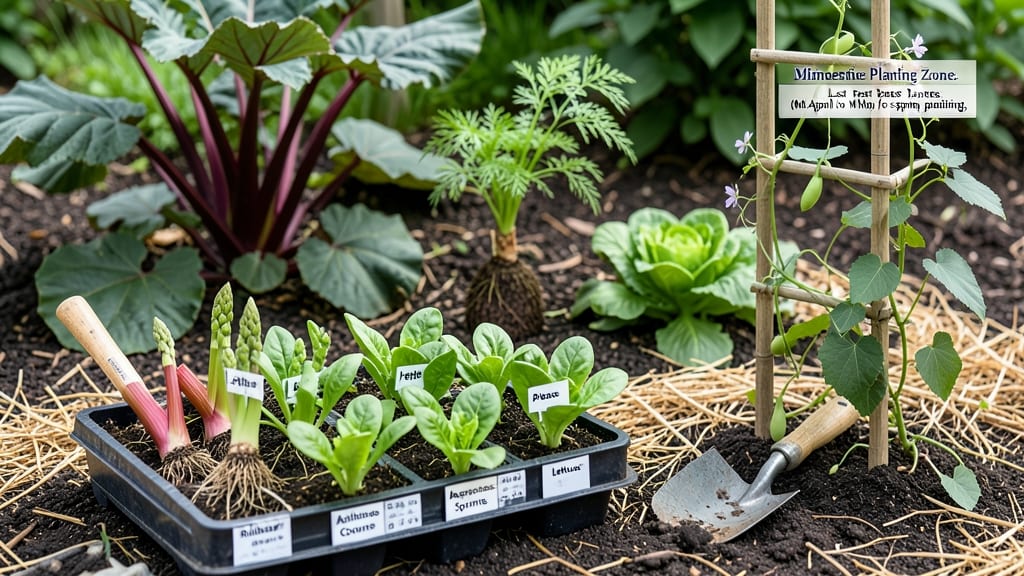
Planting a garden in Minnesota at the right time means the difference between a bountiful harvest and a frozen disappointment—and the window is narrower than you think.
Minnesota’s unpredictable frost dates can turn a gardener’s dream into a frozen nightmare—but timing your plantings just right ensures bumper crops instead of bolted greens.
Whether you’re a hardy northern grower or a southern Minnesota farmer, knowing the exact frost-free windows by county is your secret weapon for a thriving garden.
Most gardeners in the North wait until after the last spring frost, usually late May, while southern Minnesota growers can start as early as mid-April. But with USDA Zones 3-5 across the state, the rules change fast—especially when you factor in early vs. late frost years.
In this guide, you’ll discover the county-by-county frost dates, how to adjust for your microclimate, and the 3 pro tips that let you squeeze extra weeks out of your growing season—no matter where you are in the state.
Minnesota’s frost-free planting zones by county: exact dates for cool-season vs warm-season crops
Minnesota’s USDA Zones 3-5 create dramatic differences in frost dates from the Iron Range to the Twin Cities. Northern counties like Cook (Zone 3) average 120 frost-free days, while southern Mower (Zone 5) enjoys 150+ days.
These variations mean your tomato plants in St. Louis County need to go in 2 weeks later than in Olmsted County—yet both can thrive with the right timing.
To simplify, I’ve organized planting windows by region, focusing on cool-season crops (like lettuce and peas) that tolerate frost, versus warm-season crops (such as peppers and cucumbers) that need soil temperatures above 60°F.
Pro tip: Use row covers to extend early/late seasons by 2-3 weeks in marginal zones.
Key frost dates to remember:
- Last spring frost: Typically May 10-25 (earlier in southern MN)
- First fall frost: Usually September 15-October 10 (later in southern MN)
- Safe planting window: After 3 consecutive days above 50°F at night
For cool-season crops like spinach and kale, northern gardeners should start seeds indoors by March 1 and transplant after April 15. In southern MN, you can direct-sow peas as early as February 28—just cover them with frost cloth if nights dip below 25°F.
These hardy greens handle light frosts and even bolting becomes less of an issue with proper timing.
Warm-season crops demand more precision. Tomatoes and peppers won’t germinate until soil hits 60°F, so wait until after May 15 in Zone 4 or May 1 in Zone 5. Use black plastic mulch to warm soil 5-10°F faster if you’re eager to plant early. Pro move: Start tomato seeds indoors by March 15 (Zone 4) or March 1 (Zone 5) for transplants ready by your ideal window.
Succession planting is your secret weapon in MN’s short season. For lettuce, sow every 2 weeks from April 15 to July 15 to avoid bolting.
Similarly, bush beans planted in 3 batches (May 1, June 1, July 1) ensure a steady harvest until first frost. This strategy maximizes your g
How to adjust planting times for early vs late frost years (plus 3 pro tips to extend your growing season)
Minnesota’s frost dates can swing by 2-3 weeks between early and late years, leaving gardeners scrambling to adjust. The key to success? Flexible planting strategies that account for both extremes. I’ve learned the hard way—skipping row covers in a late frost year can mean wilted tomatoes instead of juicy harvests.
But with the right approach, you can push your growing season by weeks, even in Zone 3.
Start by selecting cold-hardy varieties that thrive in Minnesota’s short season. For example, ‘Early Girl’ tomatoes can handle cooler soils, while ‘Sugar Snap’ peas sprout in 40°F soil. Pair these with succession planting—sowing lettuce every 2 weeks ensures continuous harvests, even if spring arrives late.
Urban gardeners also benefit from microclimate tricks, like planting near south-facing walls that trap heat.
A 3-pro-tip system has saved my garden in tough years: row covers for early starts, black plastic mulch to warm soil faster, and container gardening for heat-loving crops like peppers.
These methods let me extend the season by 4-6 weeks without risking frost damage. Below, I’ll break down how to apply these strategies—and which crops to prioritize—based on frost timing.
- 1. Use row covers for 2-3 weeks after last frost to protect tender seedlings (e.g., basil, cucumbers). Remove during daytime pollination to avoid heat stress.
- 2. Plant cold-hardy crops 4-6 weeks before last frost: spinach, kale, and radishes tolerate 28°F and thrive in cool soil. Prioritize these in late frost years.
- 3. Succession plant every 10-14 days for fast-maturing crops like bush beans (50 days) or lettuce (30 days). This ensures harvests even if spring is delayed.
For late frost years, delay planting warm-season crops until after May 15 in northern MN or May 1 in southern counties. Use soil thermometers—wait until soil hits 50°F for tomatoes and 60°F for peppers.
In early frost years, start seeds indoors 6-8 weeks before last frost and transplant hardened-off seedlings 2 weeks before the average date.
Microclimates play a huge role. Urban heat islands (like downtown Minneapolis) can be 5-10°F warmer than rural areas, allowing earlier plantings. Test your spot: Place a frost-sensitive plant (like zucchini) in different locations to see where it thrives longest.
Rural gardeners should focus on low-lying areas, which frost first, for cool-season crops like broccoli.
My go-to frost-tolerant crops for Minnesota include: ‘Winterbor’ kale (-20°F hardy), ‘Mammoth Melting’ sugar snap peas (30°F tolerant), and ‘Red Norland’ potatoes (sprout in 40°F soil). These staples let me harvest even in late May or early June frosts.
Pair them with black plastic mulch to warm soil faster—this alone can shave 1-2 weeks off your planting timeline.
Finally, track your frost dates for 3 years to spot patterns. Use the MN State Climatology Office’s frost maps or keep a garden journal. With these adjustments, you’ll outsmart frost and enjoy a longer, more reliable harvest—no matter what Mother Nature throws your way. 🌿