
Planting
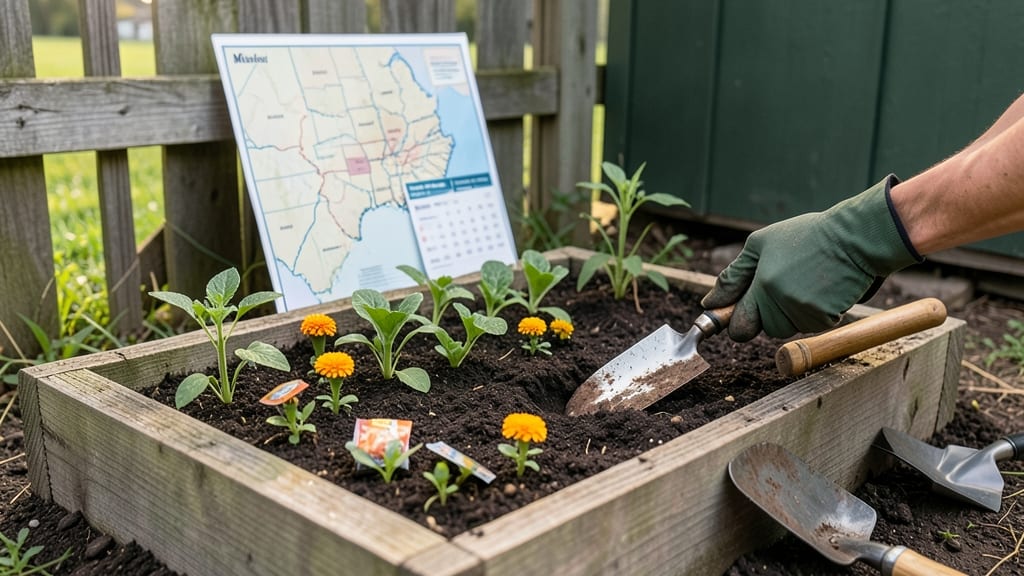
Planting a garden in Missouri at the right time means the difference between a thriving harvest and a sad, wilted disappointment.
Missouri’s unpredictable weather can make or break your garden—planting at the wrong time means wasted seeds and stunted growth. But timing it perfectly ensures a bountiful harvest, whether you're growing tomatoes in St. Louis or zucchini in Kansas City.
With USDA Zones 5–7 across the state, frost dates shift from early April in northern Missouri to late March in the south. That’s why knowing your exact zone—and when to start seeds indoors—is the key to avoiding those late spring freezes that kill tender seedlings.
In this guide, I’ll break down the best planting windows for your favorite vegetables, herbs, and perennials, plus how to adjust for Missouri’s microclimates and unpredictable weather patterns.
Missouri’s frost-free planting deadlines by USDA Hardiness Zone
Missouri spans USDA Hardiness Zones 5a through 7a, meaning frost dates vary dramatically between northern and southern regions. In Zone 5a (northern Missouri), gardeners face late spring frosts often until May 15, while Zone 7a (southern Missouri) typically sees its last frost by March 20.
These differences mean your planting timeline should shift based on your exact location.
To pinpoint your frost-free date, check the Missouri State Climatologist’s records or use the Missouri Botanical Garden’s planting calendar. These resources provide localized frost data that’s far more accurate than generic national averages.
For example, St. Louis (Zone 6b) averages its last frost on April 2, while Kansas City (Zone 5b) typically waits until April 15.
Understanding these deadlines helps you avoid frost damage to tender plants like tomatoes, peppers, and basil. Warm-season crops need soil temperatures above 60°F to thrive, so wait until after your last frost to direct-sow them.
Meanwhile, cool-season crops like lettuce and spinach can handle light frosts and should be planted 4-6 weeks before your last frost date.
Here’s a quick reference for Missouri’s USDA Zones 5a-7a and their average frost timelines:
For Zone 5a gardeners, this means you’ll need to start warm-season crops indoors by early March to transplant after the last frost. In Zone 7a, you can direct-sow tomatoes and peppers as early as March 15, giving you a longer growing season.
Always verify with your local cooperative extension office for the most precise data, as microclimates (like urban heat islands) can shift
Best planting times for Missouri’s top 10 vegetables and herbs
Missouri’s diverse microclimates mean your St. Louis garden might have a 2-week advantage over Kansas City for planting. Warm-season vegetables like tomatoes and herbs like basil need soil temperatures above 60°F, while cool-season crops like lettuce and peas thrive in spring’s mild temperatures.
Timing is everything—plant too early, and frost will kill seedlings; too late, and you’ll miss the harvest window.
To simplify, I’ve broken down the ideal planting windows for Missouri’s top 10 vegetables and herbs, including direct sowing vs. transplanting timelines. Whether you’re a beginner gardener or a seasoned pro, these Missouri-specific deadlines will help you maximize your yield.
Pro tip: Use row covers to extend early spring planting for heat-loving crops.
For herbs like basil, I recommend starting seeds indoors in late March to give them a head start. Basil is heat-loving and won’t tolerate Missouri’s spring frosts, so transplant only after May 15.
Similarly, tomatoes need warm soil—wait until nighttime temperatures stay above 50°F before transplanting. Use a soil thermometer to check; 60°F+ is ideal.
Don’t overlook fall planting for cool-season crops. Spinach, kale, and carrots thrive in Missouri’s mild autumn and can be harvested until first frost (typically mid-November).
For herbs like cilantro, a late summer sowing in August avoids bolting from summer heat. Plan ahead: succession planting every 2 weeks ensures a continuous harvest.
Missouri’s USDA Zones 5–7 mean your last frost date varies—northern Missouri (Zone 5) averages April 15–May 1, while southern Missouri (Zone 7) can be 2 weeks earlier.