Planting
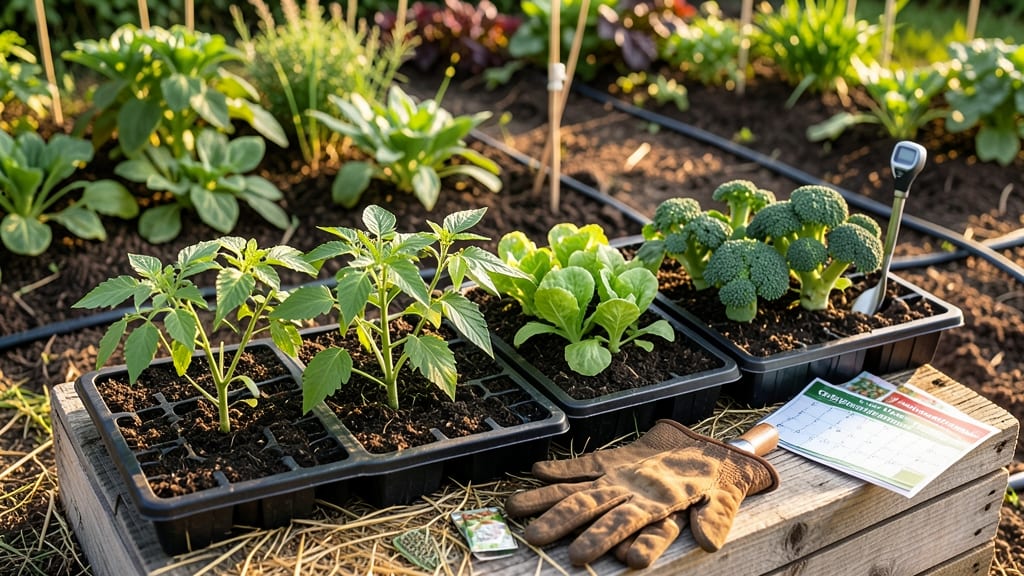
Planting a garden in NC at the right time means the difference between a thriving 🌱 harvest and a sad, wilted mess.
North Carolina’s climate shifts dramatically from the Coastal Plain to the Mountains, so your last frost date could be March 15 in the Piedmont or May 1 near the coast. Get it wrong, and you’ll either freeze tender seedlings or watch them bolt in the heat.
This guide breaks down the exact planting windows for your region—whether you’re in Zone 6a or Zone 8b—so you can time cool-season crops like lettuce and warm-season stars like tomatoes perfectly.
You’ll also learn how to adjust for unpredictable weather, from late frosts to early heatwaves, so your garden stays ahead of the curve all season long.
NC frost dates by region: when to plant cool-season vs. warm-season crops
North Carolina’s diverse climate creates distinct planting zones, from the Coastal Plain’s mild winters to the Mountains’ late springs. Knowing your last frost dates ensures you plant cool-season crops early enough and warm-season crops after the danger has passed.
For example, lettuce and broccoli thrive when soil temps hit 40°F, while tomatoes and peppers need 60°F+ soil to germinate.
Below, I’ve broken down NC’s 10 regions—grouped into Coastal, Piedmont, and Mountains—with last frost averages and ideal planting windows for your favorite crops. High-altitude areas (like Asheville) may have 2-3 weeks later frost dates than Wilmington, so adjust accordingly.
Pro tip: Use NC State Extension’s frost maps for real-time updates if you’re near a transition zone.
🌱 Key Rule: Plant cool-season crops 4-6 weeks before your last frost, and warm-season crops 2-3 weeks after. For squash and beans, wait until soil temps are consistently 65°F+ to avoid rot.
| Region | Last Frost (Avg) | First Frost (Avg) | Cool-Season Planting | Warm-Season Planting |
|---|---|---|---|---|
| Coastal (e.g., Wilmington, Morehead City) | March 15 | November 1 | Feb 15 – Mar 30 | Apr 15 – May 1 |
| Piedmont (e.g., Raleigh, Charlotte) | March 30 | October 30 | Feb 28 – Apr 15 | Apr 30 – May 15 |
| Mountains (e.g., Asheville, Boone) | May 1 | October 15 | Apr 1 – May 1 | May 30 – June 15 |
| High Altitude (>3,000ft) | May 15 | September 30 | Apr 15 – May 15 | June 1 – June 30 |
🌡️ Note: High-altitude areas (e.g., Mount Mitchell) may experience 10-14°F colder temps than Piedmont.
If you’re growing lettuce or spinach in the Coastal Plain, start seeds indoors by February 1st for a spring harvest. In the Mountains, wait until April 15th to avoid frost damage.
For tomatoes and peppers, transplant after your last frost date—but if nights are still chilly (50°F), use row covers or wait another week.
Broccoli and cabbage love cool weather, so plant them 4-6 weeks before your last frost. In Raleigh, that’s February 28th, while in Asheville, it’s April 1st. For squash and cucumbers, soil must be 65°F+—use a soil thermometer to confirm. In Wilmington, that’s April 15th; in the Mountains, it’s June 1st.
Don’t forget fall planting! Many cool-season crops thrive in September-October heatwaves. For example, kale and carrots can handle light frosts and often taste sweeter after a 28°F dip. In Charlotte, sow seeds by August 15th for a fall harvest.
Use black plastic mulch to warm soil faster in early spring or straw mulch to protect fall crops from early frosts.
For high-altitude gardens (like Blowing Rock), extend your season with cold frames or low tunnels. These can push your last frost date back by 2-4 weeks, letting you plant spinach or radishes as late as May 15th. Just monitor temps nightly—32°F will kill most
Best planting calendar for NC gardens: month-by-month guide by vegetable type
North Carolina’s diverse climate means your vegetable garden thrives when you plant at the right time. Whether you’re growing cool-season crops like lettuce or warm-season favorites like tomatoes, timing is everything. Below is your month-by-month guide, tailored to NC’s frost dates and microclimates, so you can maximize your harvest year-round.
For cooler regions (Zones 6b-7a), like the Mountains, start early. In warmer zones (7b-8a), such as the Coastal Plain, extend your planting season into late summer.
The key is aligning your seed sowing and transplanting with soil temperatures and frost risks. Let’s break it down by crop type and month.
📅 NC Planting Timeline by Vegetable Type
- February-March: Start cool-season seeds indoors (e.g., onions, leeks, peas). Transplant hardy greens like spinach and kale if soil is workable. Pro Tip: Use row covers for frost protection.
- April: Sow direct-seed crops like carrots, radishes, and lettuce 4-6 weeks before last frost. Transplant broccoli, cabbage, and cauliflower after soil reaches 40°F.
- May: Plant warm-season crops like tomatoes, peppers, and cucumbers 2-3 weeks after last frost. Start beans and squash directly in warm soil (60°F+).
- June-July: Succession plant bush beans, zucchini, and summer squash every 2 weeks for continuous harvests. Direct-sow fall crops like kale and carrots in late July for fall harvests.
- August-September: Plant cool-season crops for fall (e.g., spinach, lettuce, radishes). Transplant broccoli and cabbage in early September for winter harvests.
- October-November: Extend warm-season crops like tomatoes and peppers with row covers in Zone 8a. Harvest remaining crops before first frost (typically November 15 in Mountains, December 1 in Piedmont).
For warmer zones (Zone 8a), like the Coastal Plain, you can push your planting schedule later. For example, tomatoes and peppers can be planted as late as June 15, and fall crops like kale and carrots can be direct-sown until August 15.
Use shade cloth in peak summer to protect heat-sensitive plants like lettuce.
In higher elevations (Zones 6b-7a), focus on early spring starts for onions and peas, and prioritize fast-maturing varieties for summer crops. For instance, bush beans (ready in 50-60 days) are ideal for shorter growing seasons.
Always check your local last frost date—NC State Extension provides region-specific data.
To extend your growing season, try these NC-proven tips:
- Use row covers to protect cool-season crops from late frosts.
- Plant heat-tolerant varieties like 'Malaga' collards or 'Black Krim' tomatoes for summer.
- Succession plant every 2-3 weeks to ensure a steady harvest.
By following this month-by-month guide, you’ll avoid common mistakes like planting tomatoes too early or lettuce too late. Adjust based on your specific microclimate, and soon you’ll be enjoying a homegrown harvest all year round! 🌱