Planting
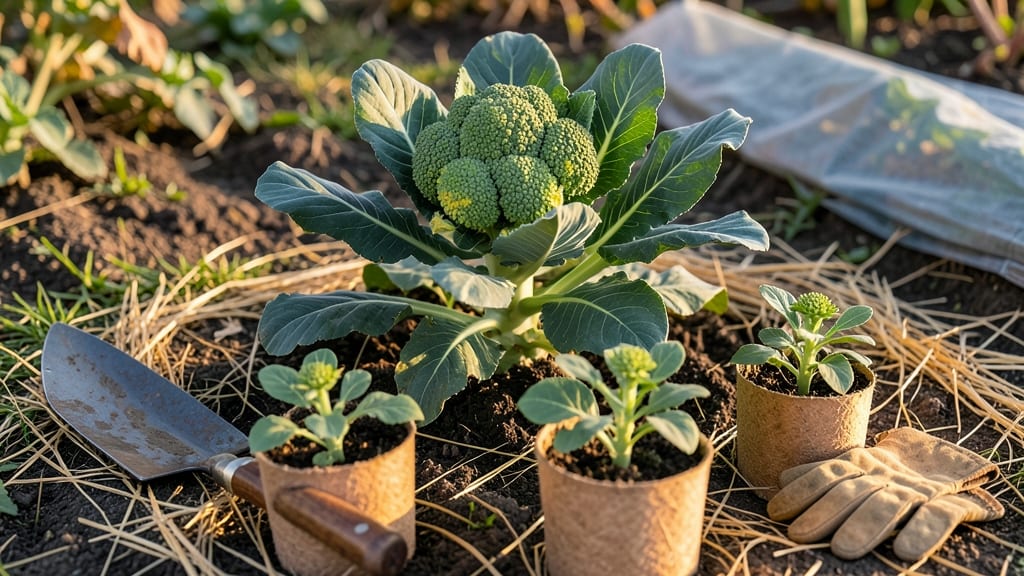
Planting your fall garden in NC between mid-August and mid-September is the key to a bountiful harvest before frost hits.
North Carolina’s warm fall weather creates the perfect window for growing cool-season crops—but planting too early or late can ruin your harvest. Timing is everything, and missing these deadlines by even a week could mean frost-damaged greens or stunted roots.
With USDA zones 7a-8b across the state, your exact planting window depends on whether you’re in the Coastal Plain, Piedmont, or Mountains. The right crops and preparation make all the difference.
Below, I’ll break down the exact dates by zone, the best 🥬 fall vegetables to plant, and how to protect your garden from early frost.
NC fall planting deadlines by hardiness Zone: exact dates to avoid frost damage
North Carolina’s fall planting window is your golden opportunity to grow crisp leafy greens, sweet root crops, and tender brassicas—but timing is critical. The first frost can arrive as early as mid-October in Zone 7a or linger until late November in Zone 8b.
To avoid frost damage, calculate your last planting dates by working backward from your average first frost date, which varies by USDA hardiness zone.
For Zone 7a (western NC mountains), aim to plant by September 15 for fast-maturing crops like spinach or radishes. In Zone 8b (coastal areas), you’ve got until October 15 for slower growers like broccoli or carrots.
Miss these deadlines, and you risk bolting greens or frozen roots before harvest.
Pro Tip: Check the NC State Extension’s frost date map for your exact county, as microclimates can shift deadlines by 1-2 weeks. For example, Asheville’s Zone 7a frosts earlier than Raleigh’s Zone 7b, even though they’re just 150 miles apart.
Use row covers or cold frames to push back deadlines by 2-4 weeks. For example, a floating row cover can protect spinach in Zone 7a until November 1, while a low tunnel might extend kale harvests in Zone 8b into December.
Just remove covers during the day to prevent overheating.
Soil temperature matters just as much as air temperature. Wait until soil cools to 60-70°F for cool-season crops—test with a soil thermometer or plant when tomato plants (if you’re still growing them) struggle to ripen.
In Zone 7a, this usually aligns with mid-August, while Zone 8b can start as late as early September.
For root crops like carrots or beets, sow seeds 4-6 weeks before your last frost date to ensure they mature before hard freezes. In Zone 7a, that means late August plantings, while Zone 8b gardeners can wait until early October.
Overcrowding is a common mistake—thin seedlings to 2-3 inches apart to prevent forked carrots or stunted roots.
Brassicas like broccoli and cabbage need 60-80 days to mature, so plant them 8-10 weeks before frost. In Zone 7a, that’s early September, while Zone 8b can handle late September plantings.
Use transplants instead of seeds for faster establishment, and fertilize with compost or a balanced 10-10-10 mix to boost growth.
Don’t forget herbs like cilantro and parsley, which thrive in cool weather.
Best fall vegetables for NC gardens: fast-growing vs. slow-maturing crops you can still plant
North Carolina’s fall season offers gardeners a second chance to grow fresh vegetables before winter sets in. The key to success lies in choosing the right crops—some mature in as little as 30 days, while others need 90+ days to reach harvest.
For my Zone 7b-8a garden, I prioritize crops that balance speed with frost tolerance, ensuring a steady harvest from October through December.
Fast-growing varieties like baby spinach and radishes are my go-to choices for late plantings, while slower crops like broccoli and kale need an earlier start. Understanding these differences helps me maximize my garden’s potential, even when space is limited.
Let’s break down the best options and their ideal planting windows for NC’s climate.
- 1 Fastest Crops (30-45 days): Radishes (30 days), Baby Spinach (30-40 days), Lettuce (35-45 days). Plant these late August to mid-September for quick harvests before frost.
- 2 Medium-Speed Crops (45-60 days): Kale (50-60 days), Collard Greens (50-60 days), Turnips (50-60 days). Start these mid-August to early September for a late fall harvest.
- 3 Slowest Crops (60-90+ days): Broccoli (60-90 days), Cabbage (70-90 days), Carrots (70-80 days). Plant these late July to mid-August for a full-season harvest.
- 4 Pro Tip: Use succession planting for fast crops like radishes or lettuce every 2 weeks to extend harvests. Save space by interplanting slower crops like broccoli with faster spinach.
For my garden, I always prioritize leafy greens like spinach and kale because they thrive in cooler temperatures and can often survive light frosts. These crops are not only fast-growing but also packed with nutrients, making them a perfect addition to fall meals.
I’ve found that planting spinach in late August gives me a harvest just as the weather cools down, while kale planted in early September often lasts until December.
Root crops like carrots and turnips also perform well in NC’s fall garden, but they require a longer growing season. I typically plant these in late July to ensure they mature before the first frost.
The key is to choose shorter varieties, like Paris Market carrots, which mature in about 60 days—perfect for our shorter fall season. Always loosen the soil before planting to prevent forking, a common issue with root crops.
Brassicas such as broccoli and cabbage are my favorite slow-maturing crops for fall. They handle cooler temperatures well and can even improve in flavor after a light frost.
To maximize my harvest, I plant broccoli in late July and use row covers in early October to protect it from unexpected cold snaps. This simple trick extends the growing season by 2-3 weeks, giving me more time to enjoy fresh produce.
When planning your fall garden, remember that succession planting is your best friend. By staggering plantings every 2 weeks, you can ensure a continuous harvest of fresh vegetables. For example, I plant a new row of radishes every two weeks from late August through September.
This method guarantees a steady supply of crisp, fresh radishes straight from the garden until frost.
Don’t forget to mulch your fall crops with straw or shredded leaves to protect them from temperature fluctuations and retain moisture. This simple step can make a huge difference, especially in NC’s unpredictable fall weather.
With the right choices and timing, your fall garden can be just as productive—and delicious—as your spring and summer plantings.