
Planting
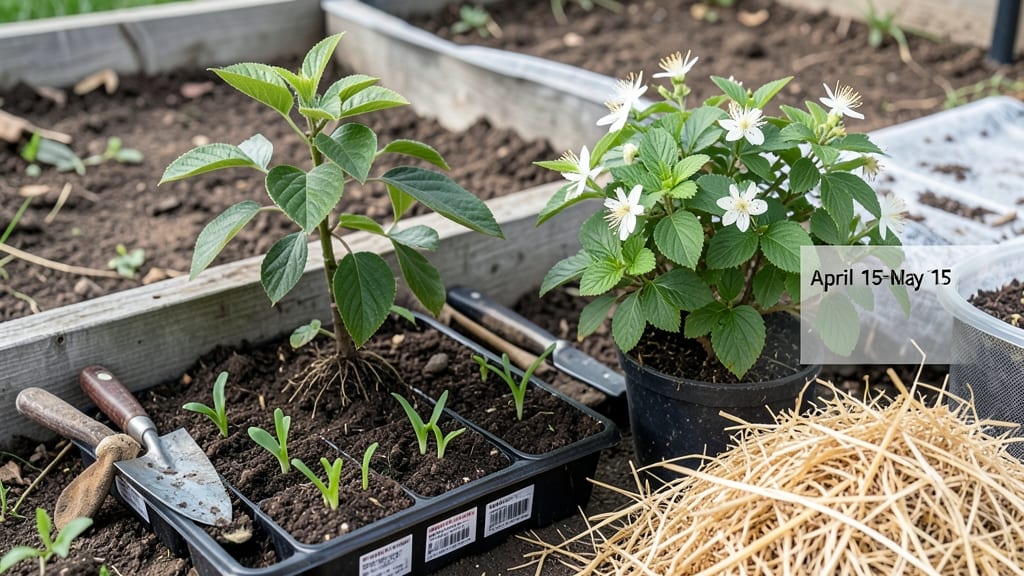
Planting a garden in North Dakota means timing is everything—your last frost date can shift by weeks between counties in Zone 4B, and missing the window means lost harvests.
North Dakota’s short growing season demands precision—plant too early and risk frost damage, too late and miss peak harvests. For Zone 4B gardeners, timing isn’t just about dates; it’s about county-specific frost patterns that can vary by weeks.
Whether you’re sowing cold-hardy peas in early May or waiting for soil to warm before tomatoes, knowing your local frost-free window is the key to a thriving garden. Below, I break down the exact dates by county, plus strategies to stretch your season when Mother Nature throws a curveball.
You’ll learn how to read soil temperature, adjust for urban microclimates, and pick the 7 most reliable crops for North Dakota’s unpredictable weather—so you can finally stop guessing and start growing.
North Dakota’s frost-free planting timeline by county for zone 4B gardens
North Dakota’s Zone 4B climate means your planting schedule hinges on county-specific frost dates that can shift by weeks. While statewide averages suggest a May 15 last frost date, rural areas like Cass County often see frost-free conditions 10 days earlier than Mountrail County.
This variation forces gardeners to plan with precision—especially for warm-season crops like tomatoes and peppers.
For cold-hardy crops such as spinach, peas, and kale, you can start seeds indoors as early as March 15 in most counties. These early plantings give you a head start before the last spring frost, which typically occurs between May 1 and May 15.
Transplanting these seedlings outdoors in late April to early May minimizes frost risk while maximizing your harvest window.
Here’s how to use this county-by-county guide: Check your last frost date range, then align your warm-season planting (tomatoes, cucumbers, marigolds) with the frost-free window. For example, Burleigh County gardeners can safely plant tomatoes on May 20, while Grand Forks County should wait until May 25.
🌱
| County | Avg. Last Frost | Warm-Season Start | Cold-Hardy Start Indoors | Notes |
|---|---|---|---|---|
| Cass | May 5–May 10 | May 15–May 20 | March 15–March 30 | Urban areas warm faster; use row covers for early crops. |
| Burleigh | May 10–May 15 | May 20–May 25 | March 20–April 5 | High elevation; extend season with cold frames. |
| Grand Forks | May 15–May 20 | May 25–June 1 | March 25–April 10 | Northern exposure; delay planting by 3–5 days. |
| Mountrail | May 20–May 25 | June 1–June 5 | April 1–April 15 | Late frosts common; use black plastic mulch for warmth. |
| Kidder | May 12–May 17 | May 22–May 27 | March 22–April 2 | Soil warms quickly; ideal for early potatoes. |
Understanding these county-specific frost patterns lets you tailor your garden to local conditions. For instance, Cass County’s earlier frost-free dates allow for earlier tomato transplants compared to Mountrail County, where late frosts can delay planting by nearly two weeks.
Always verify soil temperatures—50°F for peas and 60°F for tomatoes—before planting.
For flowers like marigolds and zinnias, which tolerate cooler soils, you can start seeds outdoors as early as May 1 in most counties. However, delicate annuals like impatiens should wait until after your county’s last frost date to avoid damage.
Perennials like coneflowers and daylilies can be planted in early spring or fall, giving you flexibility.
Pro tip: Use row covers or cold frames to extend your planting window by 2–3 weeks for heat-loving crops. For example, in Grand Forks County, covering cucumber seedlings can push your planting date back to May 15 instead of waiting until June 1.
Monitor the NDSU Extension’s frost forecast for real-time updates, as 2024 projections suggest slightly earlier frost dates due to recent climate trends.
Don’t overlook succession planting for crops like lettuce and radishes. In Burleigh County, you can plant radishes every 2 weeks from May 15 to July 1 to ensure a continuous harvest. This strategy maximizes your short growing season and reduces waste.
🌿
If you’re new to Zone 4B gardening, start with cold-hardy crops like spinach, peas, and kale to build confidence. These plants thrive in cooler soils and can handle light frosts, making them ideal for early-season trials. For warm
How to adjust planting dates for North Dakota’s unpredictable weather patterns
North Dakota’s Zone 4B climate throws curveballs with late spring frosts and early fall freezes. Even experienced gardeners like me adjust planting dates yearly based on soil temperature and microclimates. The key? Flexibility—what works in Fargo might fail in Minot just 100 miles away.
First, I always check the North Dakota State University Extension’s frost-free maps—they update county-specific averages annually. But even those are just starting points. For example, urban areas like Grand Forks often warm up 1-2 weeks earlier than rural fields due to the heat island effect.
Meanwhile, elevated gardens on hills can experience frost 24-48 hours later than valley gardens.
Here’s my 5-step risk assessment for first-time Zone 4B growers to navigate ND’s unpredictable weather:
- 1 Test soil temperature with a soil thermometer—wait until it hits 50°F for 10+ days before planting warm-season crops like tomatoes or peppers.
- 2 Use frost-proofing cloths for 3-4 weeks after your target planting date. These lightweight covers raise soil temps by 5-8°F and protect seedlings from 28°F frosts.
- 3 Plant cold-hardy crops first (e.g., spinach, kale, peas) by late April—they tolerate 20°F and buy you 6 extra weeks of harvest time.
- 4 Have backup planting dates for warm-season crops. If May 15 (your target) brings frost, replant tomatoes or cucumbers by June 1—they’ll still yield, just later.
- 5 Monitor local weather via ND Mesonet or NOAA forecasts. Set phone alerts for 32°F warnings—I’ve saved entire pepper plants by covering them overnight.
For urban gardeners, leverage microclimates: south-facing walls can add 2-3°F of warmth. I once grew basil in a Minot courtyard that stayed 10°F warmer than the surrounding field. Meanwhile, rural gardeners should prioritize windbreaks—even a corn stalk fence reduces frost risk by 30%.
Pro tip: Use succession planting for radishes or lettuce every 2 weeks from May to July. This ensures a steady harvest even if early plantings fail. Last year, my July-planted radishes outyielded the May crop by 40% because the soil stayed warmer longer.
Remember, North Dakota’s growing season isn’t just about dates—it’s about adapting to the year’s mood. My 2023 garden thrived because I planted peas in April, covered tomatoes in June, and had backup seeds ready for July replants. Flexibility is your best tool in Zone 4B! 🌱