
Planting
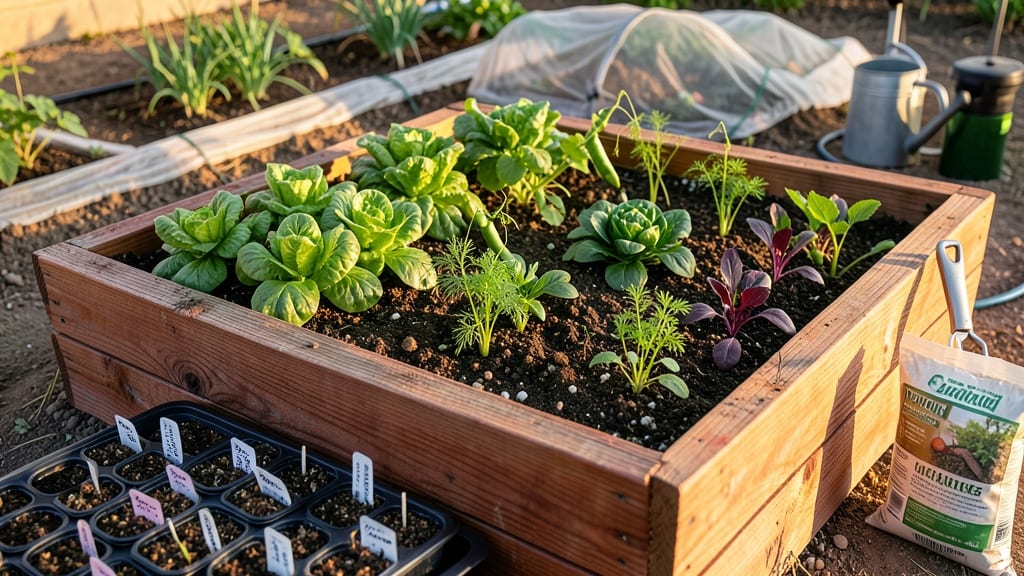
Planting a garden in Utah depends on knowing the exact last frost dates for your county, or you risk losing tender seedlings to a sudden chill.
Utah’s unpredictable climate can make gardening a gamble—unless you know the exact last frost dates for your county. Plant too early, and frost will kill your tender seedlings; too late, and you’ll miss peak harvests.
Here’s your county-by-county guide to timing garden planting for maximum success in Utah’s high desert and mountain regions.
With USDA Zones ranging from 5a to 7b, Utah’s microclimates demand precision. Salt Lake City’s average last frost hits around mid-April, while higher elevations like Summit County can linger until early May.
Cool-season crops like lettuce and spinach thrive when planted in early spring or fall, while tomatoes and peppers need the warmth of late May or June.
Below, I’ll break down the best planting windows for General Garden Vegetables & Flowers 🌱, share soil prep tips for Utah’s arid conditions, and help you adjust for elevation—so you can enjoy a bountiful harvest without the guesswork.
Utah last frost dates by county: your planting timeline
Utah’s diverse geography—from the high desert of Washington County to the mountain valleys of Summit County—creates wildly different planting windows. The average last frost date in Utah ranges from mid-March in southern Utah to mid-May in high-elevation areas.
Knowing your county’s frost dates helps you time cool-season crops like lettuce and warm-season plants like tomatoes for peak success.
For most Utah gardeners, the safe planting window for frost-sensitive crops begins 2–4 weeks after the last frost. In Utah County, that’s typically April 20–May 1, while in San Juan County, you can start as early as March 15.
Below, I’ve broken down the last frost dates by county, along with ideal planting windows for your favorite vegetables.
🌱
| County | Last Frost Date | Warm-Season Planting (After Frost) | Cool-Season Planting (Fall) | Elevation Adjustment |
|---|---|---|---|---|
| Washington | March 15 | March 30–April 15 | September 1–15 | Low desert: plant 1–2 weeks earlier |
| Kane | March 20 | April 5–15 | September 10–20 | Moderate elevation: follow dates closely |
| Utah | April 15 | April 30–May 15 | August 20–September 10 | Valley floors: plant 1 week later if cold air pockets |
| Salt Lake | April 10 | April 25–May 10 | August 25–September 5 | Urban areas: microclimates vary; watch forecasts |
| Cache | April 25 | May 10–20 | August 10–20 | High valley: delay by 1 week for cold snaps |
| Summit | May 15 | May 30–June 10 | July 20–August 5 | Mountain zones: plant 2–3 weeks later |
| San Juan | March 10 | March 25–April 10 | September 15–30 | Low desert: earliest planting in Utah |
For warm-season crops like tomatoes, peppers, and cucumbers, wait until 2 weeks after your county’s last frost date. These plants are frost-sensitive and won’t survive even light freezes.
In high-elevation counties like Summit or Davis, consider using row covers or a cold frame to extend your season.
If you’re planting cool-season crops like spinach, kale, or carrots, you can start as early as 2–4 weeks before the last frost. These frost-tolerant plants thrive in cooler temperatures and can even handle light frosts.
For a fall harvest, plant cool-season crops in late summer (August–September) to avoid bolting in Utah’s heat.
🌿
Pro tip: Use Utah State University Extension’s frost date maps for real-time updates, as microclimates can shift frost dates by 1–2 weeks. For example, Provo’s urban heat island may frost 5–7 days later than nearby rural areas. Always check a 7-day forecast before planting frost-sensitive seedlings.
For high-altitude gardeners in counties like Rich or Daggett, add 2–4 weeks to the frost dates listed above. These areas experience later springs
How to adjust planting for Utah’s microclimates: elevation, aspect, and soil tips
Utah’s diverse landscapes—from the Wasatch Mountains to the Colorado Plateau—create microclimates that challenge even experienced gardeners. A 1,000-foot elevation gain can shift your last frost date by 2–4 weeks, while south-facing slopes stay warmer than north-facing ones.
Mastering these variables ensures your tomatoes thrive in St. George while your kale survives Summit County’s chilly nights.
Start by adjusting your planting timeline based on elevation. High-altitude areas like Summit County (8,000+ ft) need frost-tolerant varieties like ‘Early Girl’ tomatoes or ‘Winterbor’ kale, planted 2–3 weeks later than lowland zones.
Meanwhile, southern Utah’s desert valleys (e.g., Washington County) can support heat-loving crops like okra or sweet potatoes as early as March.
🔹 numbered-highlights
Don’t overlook aspect—the direction your garden faces. A south-facing slope in Moab might hit 90°F by noon, while a north-facing garden in Logan stays 10°F cooler.
Use this to your advantage: plant heat-sensitive crops like cucumbers or basil in shadier spots, and drought-tolerant plants like rosemary or thyme on sunny exposures. Mulch heavily in south-facing beds to retain moisture.
Utah’s alkaline soils (pH often 7.5–8.5) can lock out nutrients like iron and phosphorus, stunting plants. Test your soil and amend with elemental sulfur to lower pH for blueberries or rhododendrons, or use gypsum to improve drainage for vegetables.
For most gardens, a 2-inch layer of compost before planting boosts organic matter and buffers pH naturally.
If you’re a late planter, use this risk calculator: Subtract 14 days from your county’s last frost date for every month past June 1.
For example, Salt Lake City’s last frost is April 15, but if you plant tomatoes on July 1, your effective cutoff becomes June 1—leaving just 60 days for harvest before frost.
Opt for fast-maturing varieties like ‘Early Girl’ tomatoes (55 days) or ‘Bush Blue’ lakes (40 days).
Protect tender seedlings with floating row covers to plant 2 weeks earlier in spring or 3 weeks later in fall. Remove covers during daytime warmth to prevent overheating, and secure edges with bricks or soil to avoid wind damage.
For high-elevation gardens, combine row covers with black plastic mulch to warm soil faster—ideal for peppers or eggplants in Park City.