
Planting
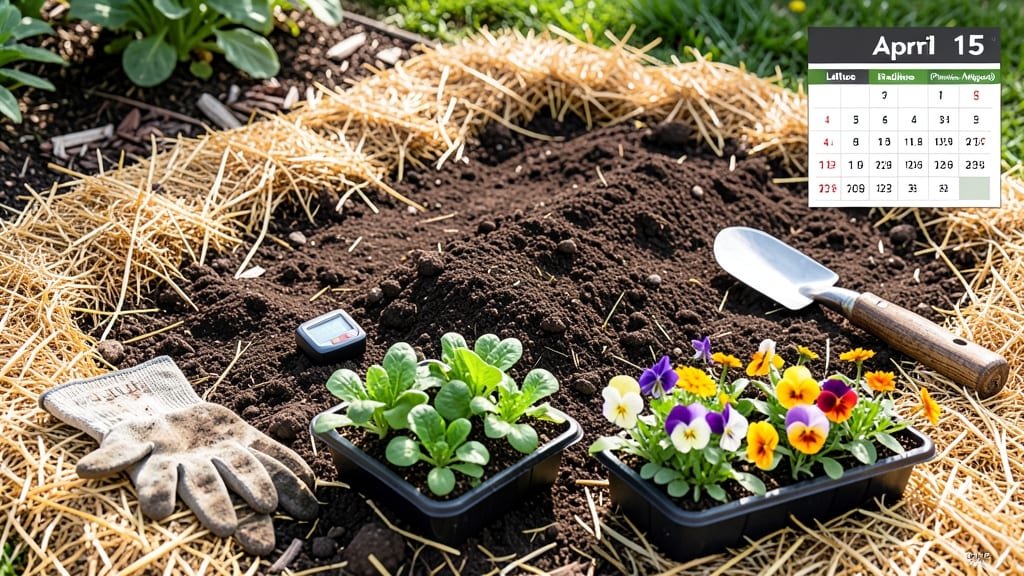
Planting a garden in Virginia at the right time means the difference between a bumper crop and a total bust — and with frost dates that shift from zone 6a to 8a, getting it wrong can leave you scrambling.
Picture this: you’ve prepped your soil, ordered seeds, and cleared your schedule for weekend planting — only to wake up to a surprise frost that turns your seedlings into sad, wilted memories. That’s why knowing exactly when to plant your 🌱 General Garden Vegetables & Plants is non-negotiable.
Virginia’s climate is as varied as its regions — from the warmer Tidewater to the cooler Blue Ridge Mountains — so timing isn’t one-size-fits-all.
Cool-season crops like broccoli and lettuce need to hit the dirt 4-6 weeks before the last frost, while tomatoes and peppers wait until after the danger has passed. Miss these windows, and you’re either staring at frostbitten greens or wilting vines.
In this guide, I’ll break down the exact dates for your region, how to adjust for microclimates, and the one trick that lets you plant earlier (or later) without risking failure. No guesswork — just a foolproof plan for Virginia’s unpredictable growing season.
Virginia’s last frost dates by region: when to plant cool-season vs. warm-season crops
Virginia’s gardening season spans from late winter to early fall, but the exact timing depends on your USDA Hardiness Zone and region. The Tidewater area (Zone 7b-8a) enjoys earlier last frosts, while the Shenandoah Valley (Zone 6a-7a) can see frost well into May.
Understanding these last frost dates ensures you plant cool-season crops like broccoli and spinach at the right time—and avoid killing tender warm-season crops like tomatoes with a surprise freeze.
For cool-season crops, aim to plant 4-6 weeks before your region’s last frost date.
In Zone 6a (northwest Virginia), this might mean starting seeds indoors in February, while Zone 7b (Tidewater) gardeners can direct-sow as early as late January. Warm-season crops, however, need to wait until 2-3 weeks after the last frost—typically mid-April to early May—when soil temperatures consistently stay above 50°F.
Here’s a breakdown of Virginia’s last frost dates by region, along with ideal planting windows for both cool-season and warm-season crops:
In the Tidewater region, where Zone 8a conditions prevail, you can even plant peppers and eggplants in late February under row covers.
Meanwhile, gardeners in the Blue Ridge Mountains should wait until mid-May to plant tomatoes, as late frosts are more common. Cool-season crops like kale and carrots can also be sown in late summer for a fall harvest, but time it so they mature before the first frost, which typically hits between November 1–15.
For warm-season crops, soil temperature matters more than air temperature. Use a soil thermometer to confirm the ground is at least 60°F before planting squash or cucumbers.
In Zone 6a, this might not happen until late May, while Zone 7b gardeners can start as early as mid-April. Succession planting is key for a continuous harvest—sow lettuce or radishes every 2 weeks in spring and fall to maximize your garden’s potential.
Don’t forget about fall planting! Many cool-season crops thrive in fall’s mild temperatures. For example,
How to adjust planting times for Virginia’s microclimates and soil conditions
Virginia’s diverse landscapes—from the Blue Ridge Mountains to the Tidewater coast—create unique growing conditions that can shift planting windows by weeks. Even within a single county, a south-facing slope might warm up faster than a shady valley, or urban areas can trap heat, delaying frost.
Understanding these microclimates helps you fine-tune your schedule for optimal growth.
Soil also plays a critical role. Clay-heavy soils in the Piedmont hold moisture longer but can become waterlogged, while sandy coastal soils drain quickly, requiring frequent watering.
Adjusting for these conditions—along with tools like row covers or cold frames—lets you extend growing seasons and protect tender plants from unpredictable late frosts or early heatwaves.
For elevation-sensitive areas, like the Shenandoah Valley, monitor local weather stations for soil temperature (aim for 50°F+ for cool-season crops). Use a soil thermometer to confirm readiness—cold soils can stunt seed germination even if air temps are mild.
In low-lying coastal zones, watch for humidity-related diseases like powdery mildew and space plants for airflow.
Don’t overlook microclimates within your yard. A south-facing wall can create a sun trap, allowing you to plant warm-season crops like cucumbers or squash 1-2 weeks earlier. Conversely, north-facing beds may need shade-tolerant varieties like swiss chard or bush beans.
When in doubt, consult the Virginia Cooperative Extension for hyper-local advice. Their frost-free date maps and soil test kits are invaluable for tweaking your schedule. With these adjustments, you’ll turn Virginia’s climate quirks into opportunities for a longer, more productive growing season.