
Planting
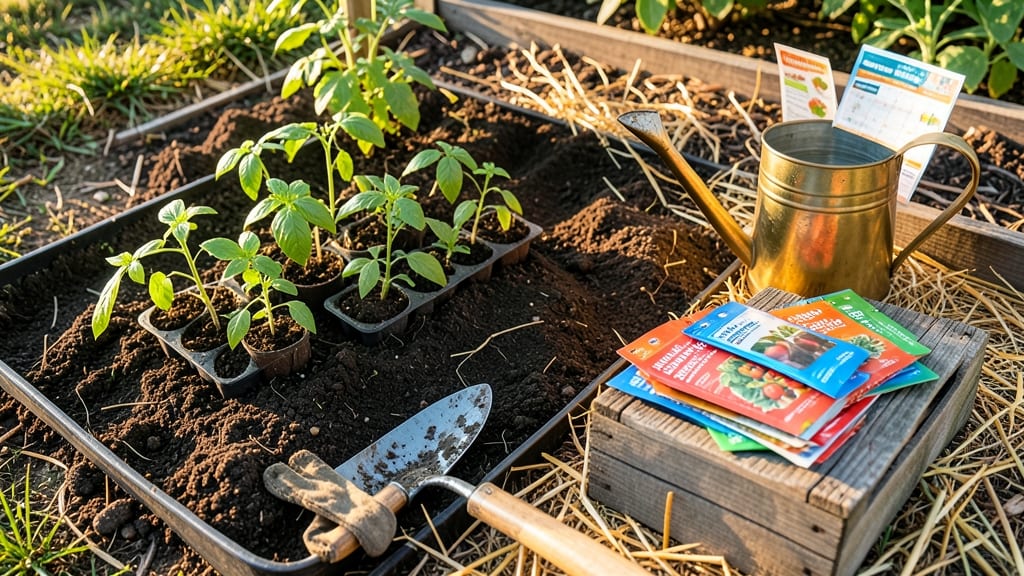
Planting a vegetable garden in Virginia at the right time means the difference between a bountiful harvest and a sad pile of frost-nipped seedlings 🥕—and the clock starts ticking in March.
Virginia’s diverse climate—from the Blue Ridge Mountains to the coastal plains—means your vegetable garden’s success hinges on timing. Plant too early, and frost will wipe out your seedlings; too late, and summer’s heat will stifle your crops.
Cool-season crops like broccoli and spinach need to hit the soil 4-6 weeks before your last frost date, while tomatoes and peppers can’t tolerate cold and must wait until 2-3 weeks after the frost has passed.
Below, I’ll break down the exact planting windows by region, the best crops for Virginia’s summer heat, and how to start seeds indoors for a head start on the growing season.
Virginia’s frost dates & best planting months by region
Virginia’s USDA Hardiness Zones range from 5a in the mountains to 8a along the coast, creating wildly different planting windows. The last spring frost can arrive as early as March 15 in Zone 8a (Norfolk) but linger until April 15 in Zone 5a (Highland County).
Similarly, the first fall frost hits Zone 5a by October 15, while Zone 8a may stay frost-free until November 15. These dates dictate whether you’re planting cool-season crops like spinach or warm-season crops like tomatoes.
Understanding your local frost dates is critical because planting too early risks frost damage, while waiting too long means missing the optimal growing season.
For example, in Zone 6a (Richmond), the average last frost is April 1, giving you just 180 frost-free days—perfect for fast-maturing crops like bush beans or zucchini. Meanwhile, Zone 7a (Charlottesville) enjoys a 200-day growing season, allowing for longer-season varieties like tomatoes or peppers.
To simplify, I’ve broken down Virginia’s planting calendar by region and crop type, including indoor seed-starting deadlines and direct-sowing windows. Use this as your garden’s roadmap—whether you’re a beginner gardener or a seasoned pro.
Pro tip: Bookmark the Virginia Department of Agriculture’s interactive frost map for real-time updates.
| Region (USDA Zone) | Last Spring Frost | First Fall Frost | Cool-Season Planting Window | Warm-Season Planting Window |
|---|---|---|---|---|
| Zone 5a (Mountains: Highland, Wise) | April 15 | October 15 | March 1 – April 15 | May 1 – June 15 |
| Zone 6a (Piedmont: Roanoke, Lynchburg) | April 1 | October 30 | February 15 – April 1 | April 15 – June 1 |
| Zone 7a (Central: Charlottesville, Fredericksburg) | March 20 | November 1 | January 15 – March 20 | March 20 – June 15 |
| Zone 7b (Tidewater: Hampton Roads) | March 10 | November 15 | January 1 – March 10 | March 1 – June 1 |
| Zone 8a (Coastal: Norfolk, Virginia Beach) | March 15 | November 30 | December 1 – March 15 | February 15 – June 30 |
Need exact dates for your town? Check the Old Farmer’s Almanac or use the Virginia Planting Calendar.
For cool-season crops like lettuce
Heat-tolerant vegetables that thrive in Virginia’s summer
Virginia’s summer heat—often hitting 90°F+—can turn your garden into a struggle for most vegetables. But don’t sweat it! These heat-tolerant varieties not only survive but thrive in our Zone 5a-8a summers, delivering bountiful harvests even when temps soar.
From okra to sweet potatoes, these crops are your secret weapon for a productive garden when others wilt.
I’ve tested these 12+ summer superstars in my own garden, and they consistently outperform traditional varieties. The key? Choosing the right heat-tolerant varieties and giving them the care they need—like mulching and deep watering—to keep roots cool and soil moist.
Pair them with the right companion plants, and you’ll have a garden that’s as resilient as it is productive.
Let’s start with okra, the undisputed champion of Virginia’s summer heat. This 95°F+-loving plant thrives when others bolt or fade. Plant Clemson Spineless or Emerald varieties after your last frost date—typically late April to early May—and give them 6-8 hours of sun and well-draining soil.
Okra grows 6-10 feet tall, so provide trellises or stakes to save space and improve airflow.
For sweet potatoes, choose Beauregard or Georgia Jet varieties, which mature in 90-120 days. Start slips (young plants) after Memorial Day when soil temps hit 70°F+.
These drought-tolerant tubers love heat but need loose, sandy soil to prevent rot. Plant slips 12 inches apart in hills, and watch them thrive even in 100°F+ temps.
Don’t overlook Malabar spinach, a tropical relative of true spinach that’s heat-proof. This perennial vine produces tender leaves all summer long. Plant after last frost in partial shade (it bolts in full sun), and harvest leaves as needed.
It’s perfect for container gardens or trellises, and its peppery flavor adds a unique twist to salads.
If you love peppers, opt for jalapeños or Cayenne varieties like Early Jalapeño or Carolina Reaper. These heat-loving