
Planting
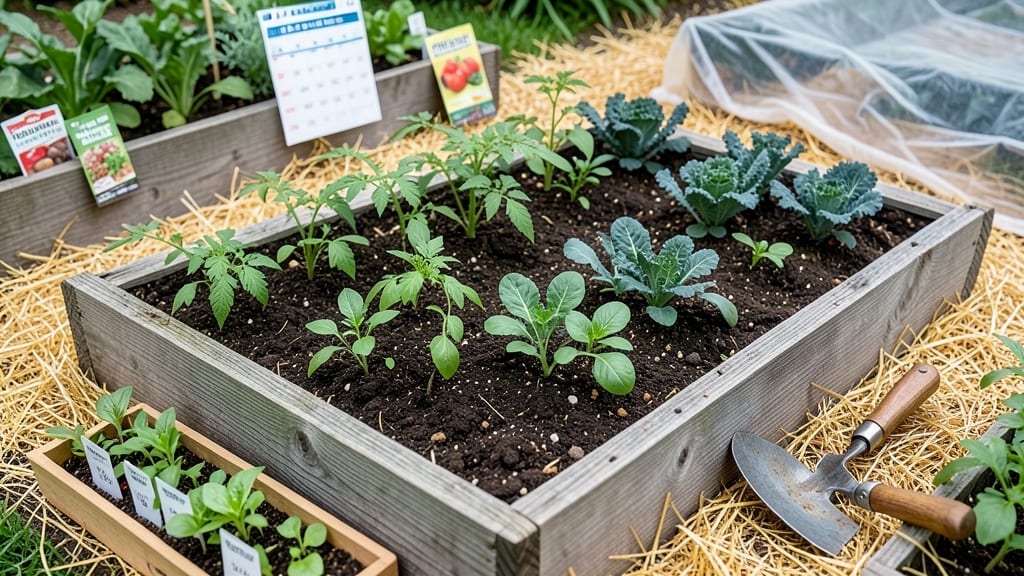
Planting a vegetable garden in Ontario at the wrong time can mean the difference between a bountiful harvest and wasted seeds—so timing is everything.
Imagine checking your seedlings in mid-June only to watch them wilt under a surprise frost, or planting tomatoes too late and never seeing them ripen. These mistakes happen more often than you’d think, especially when Ontario’s 5a-6b zones shift from cool springs to short summers.
The key isn’t just knowing when to plant—it’s matching your crops to the 120-180 frost-free days your region actually gives you.
This guide breaks down the exact windows for cool-season crops (like spinach and peas) versus warm-season stars (tomatoes and peppers), plus how to stretch your growing season with row covers or cold frames.
Whether you’re in Toronto or Thunder Bay, you’ll find the region-specific advice that keeps your 🥬 garden thriving—no guesswork included.
Ready to go? We’ll start with frost dates by zone, then dive into the fastest-maturing varieties that actually work in Ontario’s climate. No more waiting until it’s too late.
Ontario frost dates by Zone: critical planting windows for vegetables
Understanding Ontario's frost dates is the key to successful vegetable gardening. The province spans USDA Zones 3b to 6b, meaning frost timelines vary dramatically from south to north. In Zone 5a (e.g., Toronto), the last spring frost typically arrives by mid-May, while Zone 3b (e.g., Sault Ste.
Marie) may not see its last frost until early June. These dates determine when to plant warm-season crops like tomatoes and peppers.
For cool-season vegetables, timing is equally critical. Crops like spinach and kale can handle light frosts and may even improve in flavor after a light freeze.
However, the first fall frost—usually arriving between mid-September and early November—signals the end of the growing season for most tender plants. In Zone 6b (e.g., Windsor), gardeners enjoy a longer season, while Zone 4a (e.g., Ottawa) faces earlier frosts.
Here’s how to use frost dates to plan your garden:
| Zone | Last Spring Frost | First Fall Frost | Warm-Season Planting Window | Cool-Season Planting Window |
|---|---|---|---|---|
| 3b (Sault Ste. Marie) | Early June | Late September | Late June–July | Early May–mid-July |
| 4a (Ottawa) | Mid-May | Mid-October | Late May–June | Early April–mid-August |
| 5a (Toronto) | Mid-May | Early November | Late May–July | Early April–late August |
| 6a (London) | Late April | Mid-October | Early May–July | Early March–late September |
| 6b (Windsor) | Early May | Late October | Late April–July | Early March–late September |
To find your exact frost dates, use Ontario’s Zone Finder Tool from the Ontario Ministry of Agriculture or check local weather averages. For example, gardeners in Zone 5a can start tomatoes indoors in early April, while those in Zone 3b should wait until late April.
Always account for a 2-3 week buffer after the last frost before planting tender crops.
For warm-season vegetables like peppers and eggplants, wait until soil temperatures reach 15°C (59°F). In southern Ontario, this typically aligns with late May to early June, while northern regions may need to wait until early July.
Use row covers or cold frames to extend the season for early plantings.
Cool-season crops like lettuce, peas, and broccoli can be sown as soon as the soil is workable in early spring or late summer for a fall harvest. In Zone 6b, you might even squeeze in a third planting of radishes or spinach in early September. Always monitor soil temperature—cool crops thrive when soil stays below 20°C (68°F).
Pro tip: Use frost-sensitive indicators like tomato seedlings to test your garden’s readiness. If leaves wilt after a light frost, your plants aren’t hardened off enough. For fall planting, aim to harvest before the first frost by choosing fast-maturing varieties or using season extenders like hoop houses.
Remember, Ontario’s climate is unpredictable. Keep a gardening journal to track your local frost dates and adjust planting schedules yearly. By mastering your zone’s frost timeline, you’ll maximize your garden’s potential and enjoy a longer harvest season—even in Canada’s shorter growing areas! 🌱
Best heat-tolerant vegetable varieties for Ontario’s short growing season
Ontario’s short growing season means choosing the right heat-tolerant vegetables can make or break your harvest. With frost dates looming, fast-maturing varieties are your best bet. These plants thrive in warm temperatures and deliver yields before fall frosts strike—often as early as mid-October in southern regions.
I’ve tested these top 12 varieties in my own garden, and they consistently outperform slower growers. From bush beans to zucchini, these picks are perfect for Ontario’s USDA Zones 5a-6b. Pair them with smart companion planting to boost yields and deter pests naturally.
- 1. Bush Beans – Plant after last frost (mid-May). Ready in 50-60 days. Pair with corn and potatoes for pest control.
- 2. Zucchini – Start indoors 2-3 weeks before last frost. Harvest in 45-55 days. Plant near basil and nasturtiums to repel pests.
- 3. Radishes – Direct sow early spring or late summer. Ready in 25-30 days. Avoid planting near cabbage family to prevent disease.
- 4. Summer Squash – Sow after frost risk passes. Harvest in 40-50 days. Interplant with bush beans to maximize space.
- 5. Okra – Start after soil warms (late May). Ready in 50-60 days. Thrives with tomatoes and peppers in warm beds.
- 6. Swiss Chard – Sow early spring or late summer. Harvest in 30-50 days. Plant near onions and garlic to deter pests.
For fall harvests, consider heat-tolerant greens like kale and spinach, which handle cooler temps better than most. My late-July plantings of these often yield until November with row covers. Pair them with radishes for a quick succession crop.
Pro tip: Use mulch to retain soil moisture and stagger plantings every 2 weeks for continuous harvests. Even in Ontario’s short season, you can enjoy fresh veggies from June to October with the right strategy.
Don’t forget to monitor soil temperatures—most of these varieties need 60°F+ soil to germinate. A simple soil thermometer saves time and wasted seeds. Happy gardening! 🌱