
Planting
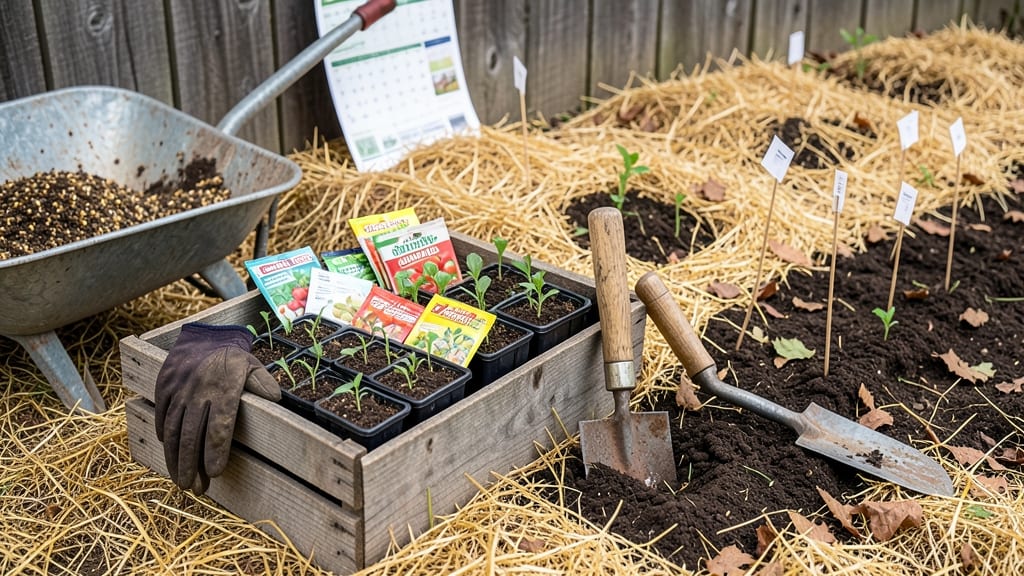
Planting a vegetable garden in Iowa at the right time means the difference between a bountiful harvest and a sad, wilted disappointment — and the window is narrower than you think.
Iowa’s unpredictable frost dates can make or break your vegetable garden 🌱. Plant too early and risk losing crops, too late and miss peak harvests. This guide reveals the exact county-specific planting windows you need to maximize your garden’s success.
Whether you’re sowing cool-season crops like spinach or waiting for the soil to warm up for tomatoes, timing is everything. I’ll walk you through Iowa’s frost-free zones, month-by-month planting schedules, and how to adjust for late frosts or heatwaves.
By the end, you’ll know precisely when to start seeds indoors, when to transplant, and how to stretch your growing season for maximum yields — no guesswork, just results.
Iowa’s last-frost dates by region: when to plant cool-season vs warm-season vegetables
Iowa’s frost-free dates vary dramatically from north to south, creating a challenge for gardeners who want to maximize their harvests.
In northern counties like Sioux or Lyon, the last frost often lingers until May 15, while southern Iowa (e.g., Scott or Muscatine counties) typically sees frost-free conditions by April 25.
These differences mean your planting timeline should shift based on your location to avoid frost damage or missed harvest windows.
Understanding these regional differences is critical because cool-season crops like lettuce and spinach thrive in cooler temperatures, while warm-season crops such as tomatoes and peppers need consistent warmth to grow.
Planting too early in northern Iowa can mean losing your basil or cucumber plants to a late frost, while planting too late in southern Iowa might delay your eggplant harvest until summer’s end.
Below is a county-specific breakdown of Iowa’s last-frost averages, along with ideal planting windows for your most popular vegetables. Use this as your guide to time your seed starting, transplanting, and succession planting for a bountiful garden.
For gardeners in USDA Zones 4b-5a (most of Iowa), adjusting your planting schedule by 2-3 weeks north to south is key. Early varieties of cool-season crops can often handle light frosts, but warm-season crops should never go into the ground until after the last frost date.
If you’re unsure, use a soil thermometer to confirm the ground has warmed to at least 50°F before planting heat-loving crops.
For cool-season crops, aim to plant 4-6 weeks before your region’s last frost date. This gives seedlings enough time to establish roots before temperatures rise.
For example, in Scott County, you can start spinach as early as late February under row covers, while in Sioux County, wait until mid-April to avoid frost damage. Lettuce and kale are particularly forgiving and can often handle light frosts, making them ideal for early plantings.
When it comes to warm-season crops, timing is everything. Tomatoes, peppers, and eggplants should only go into the ground after your region’s last frost date.
In northern Iowa, this often means waiting until late May, while southern Iowa gardeners can plant as early as mid-April in protected microclimates.
To extend your growing season, consider using black plastic mulch or row covers to warm the soil faster and protect young plants from unexpected cold snaps.
If you’re growing heat-sensitive crops like cucumbers or squash, prioritize early-maturing varieties. These can be harvested before summer’s peak heat arrives. For instance, ‘Straight Eight’ cucumbers mature in just 55 days, making them perfect for Iowa’s shorter growing seasons.
Always check seed packets for days to maturity and adjust your planting schedule accordingly to avoid disappointment.
For gardeners in transition zones (e.g., Dallas or Madison counties), consider starting warm-season crops indoors 6-8 weeks before your last
Best planting calendar for Iowa gardens: month-by-month schedule for maximum yields
Timing is everything in Iowa’s vegetable gardens, where frost dates shift yearly. This month-by-month guide aligns your planting with Iowa’s climate zones, from cool-season crops in spring to fall harvests like kale.
Start with indoor seed-starting in March for tomatoes and peppers, then transition to direct sowing as soil warms.
Use Polk County’s May 10 deadline for sweet corn as your benchmark—adjust ±7 days north or south in Iowa. For succession planting, sow bush beans every 2 weeks from late May through July.
Southern Iowa’s longer growing season lets you push fall crops like carrots and spinach until September 15.
| Month | Action | Crops | Notes |
|---|---|---|---|
| March | Start Indoors | Tomatoes, Peppers, Broccoli | 6-8 weeks before last frost |
| April | Direct Sow | Peas, Spinach, Lettuce | When soil reaches 40°F |
| May | Transplant | Tomatoes, Peppers, Cabbage | After May 10 (Polk County) |
| June | Succession Plant | Beans, Cucumbers, Zucchini | Every 2 weeks until July |
| July-August | Plant Fall Crops | Kale, Carrots, Radishes | 8 weeks before first frost |
| September | Extend Season | Spinach, Lettuce | Use row covers for late harvests |
For warm-season crops like tomatoes and peppers, harden off seedlings 1-2 weeks before transplanting. Use black plastic mulch to warm soil faster in northern Iowa. Southern counties can plant southern peas as early as April 20, while northern areas wait until May 1.
Don’t overlook succession planting for beans and cucumbers. Plant bush beans every 2 weeks from late May through July to ensure a continuous harvest. For fall crops, sow carrots and spinach by August 15 in southern Iowa or September 1 in the north.
Mark your calendar for first frost dates: October 15 in southern Iowa and October 1 in the north. Use row covers to extend harvests for kale and broccoli into November. With this schedule, you’ll enjoy fresh vegetables from May through October—or even later with protection!