
Planting
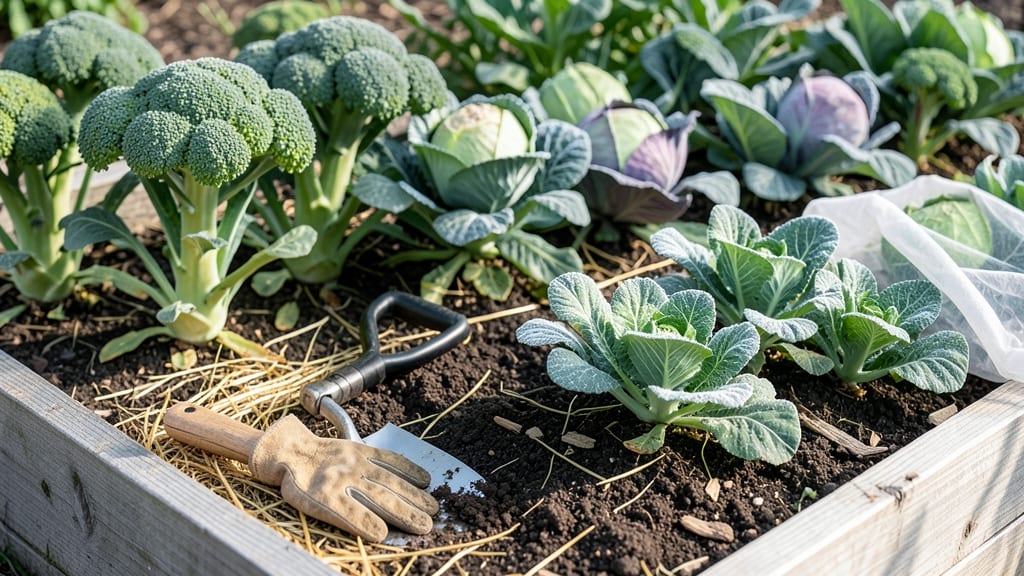
Planting a fall garden in Louisiana means starting now—between mid-July and early August—to beat the heat and harvest before frost.
You’ve probably heard that fall gardens are a breeze, but Louisiana’s humidity and lingering summer heat turn that idea on its head. One wrong move, and your seedlings could bolt or rot before they even set fruit.
The key? Heat-tolerant varieties and a tight planting window that accounts for your region’s microclimates.
Whether you’re in New Orleans or Shreveport, timing is everything. Skip the guesswork with exact dates for transplanting vs. direct sowing, plus the top 7 crops that thrive in Louisiana’s subtropical fall—without requiring a greenhouse.
Below, I’ll walk you through the critical mistakes to avoid (like overcrowding or ignoring soil pH shifts) and how to stretch your harvest past the first frost with mulching and succession planting.
Louisiana fall planting timeline: exact dates by region for heat-tolerant crops
Louisiana’s humid subtropical climate means your fall planting window is short but sweet. Unlike northern states, we don’t have to wait for cool soil—just beat the first frost dates that vary by region.
North Louisiana gardeners face earlier frosts (mid-October), while South Louisiana can push crops until November 15 or later. The key is planting heat-tolerant varieties early enough to establish roots before temperatures drop.
Timing matters most for transplants vs. direct sowing. Heat-loving crops like okra and sweet potatoes can handle late summer starts, but greens and root vegetables need cooler soil. My rule of thumb: Start transplants 6-8 weeks before first frost and direct sow 4-6 weeks before.
For Louisiana, that means late July to early September for most crops, with adjustments based on your specific zone.
Microclimates matter—even within parishes. Urban areas like New Orleans stay warmer longer than rural Shreveport. If you’re near water or pavement, expect 2-3 weeks later frost dates. Always check the LSU AgCenter frost maps for your exact location, but here’s a general breakdown to get you started.
For transplants, I recommend starting seeds indoors 4-6 weeks before your region’s transplant window.
Heat-loving crops like okra and sweet potatoes can handle direct sowing as late as mid-August in South Louisiana, but greens like collards and turnips need cooler soil—aim for late August to early September in most areas.
Pro tip: Use black plastic mulch to warm soil faster if you’re pushing the late limits.
Don’t overlook succession planting for heat-tolerant crops. In South Louisiana, you can stagger okra and cowpea plantings every 2 weeks from July through September. This ensures a continuous harvest before frost.
For leafy greens, make your final direct sowing 4-6 weeks before first frost—that’s early September in North Louisiana and mid-October in the South.
Soil temperature is your best friend. Use a soil thermometer—ideal temps for fall crops are 65-75°F. If your soil is still above 80°F in late August, wait a week or two.
For direct-sown seeds, aim for soil temps below 85°F. In my Baton Rouge garden, I’ve seen 30% faster germination when I wait for that sweet spot.
Adjust for early vs. late varieties. Plant early maturing crops (50-60 days) like bush beans or radishes first, then follow with longer-season varieties (70+ days) like cabbage or broccoli.
In North Louisiana, I’ll plant quick-maturing collards (50 days) by August 15 and slow cabbage (80 days) by July 25 to ensure both harvest before frost.
Watch for hurricane season hangover. If you’ve had recent storms, your soil may be compacted or waterlogged. Do a percolation test—if water pools after 6 hours, amend with compost and sand before planting.
I once lost an entire okra transplanting because I didn’t fix drainage after a September storm.
Mark your calendar for September 15—this is my hard stop for most fall crops in Central Louisiana. After this date, even heat-tolerant plants struggle to establish before frost. Use this time to mulch heavily with straw or leaves to protect roots and extend the season by 2-3 weeks.
In my experience, a 4-inch mulch layer can push harvests past the official frost date.
Remember: Louisiana’s fall garden isn’t just about timing—it’s about working with our heat. Choose disease-resistant varieties (like Vernon okra or Georgia Southern collards) and space plants properly to improve airflow. With the right timing, you’ll have a fall harvest that rivals spring plantings
Top 7 heat-tolerant fall vegetables for Louisiana gardens (and how to extend their season)
Louisiana’s humid subtropical climate demands heat-tolerant crops that thrive when summer lingers into fall. These 7 powerhouse vegetables not only survive but thrive in our warm soil, giving you harvests well past the first frost.
The secret? Proper soil prep, strategic mulching, and precise watering schedules tailored to Louisiana’s unique conditions.
Most gardeners assume fall means cool-season crops, but Louisiana’s long growing season (USDA Zones 7b-9a) lets you grow tropical and subtropical vegetables well into November. With the right techniques, you can extend harvests by 4-6 weeks—meaning fresh okra in October and sweet potatoes in December.
Here’s how to make it happen.
- 1. Okra – Plant seeds August 15-September 15 for harvests until first frost. Use black plastic mulch to retain heat and water.
- 2. Sweet Potatoes – Start slips June 1-July 15 (they need 90+ days to mature). Hill soil around plants to prevent greening.
- 3. Malabar Spinach – Direct sow July 15-August 30. Thrives in partial shade—ideal for Louisiana’s intense late-summer sun.
- 4. Black-Eyed Peas – Plant seeds August 1-September 10. Stake plants to support vines and improve airflow.
- 5. Cowpeas – Sow July 15-September 1. Fixes nitrogen in soil—great for fall garden fertility.
- 6. Eggplant – Transplant starts July 1-August 15. Use shade cloth if temps exceed 95°F.
- 7. Collard Greens – Direct sow August 15-September 30. Mulch heavily to protect from early frosts.
Pro Tip: Test soil pH (aim for 6.0-6.8) and amend with compost before planting.
For these crops to perform, soil preparation is non-negotiable. Louisiana’s clay-heavy soil retains too much moisture in fall, leading to root rot. Amend beds with 2-3 inches of compost and mix in sand or perlite for drainage.
A 5-10-10 fertilizer at planting gives roots the phosphorus boost they need to establish quickly.
Watering is where most Louisiana gardeners fail. These heat-lovers need deep, infrequent watering—not daily shallow drinks. Aim for 1-1.5 inches per week, delivered in the early morning to prevent fungal diseases.
Use drip irrigation or soaker hoses to keep foliage dry. For okra and sweet potatoes, reduce watering slightly in late September to sweeten tubers and tighten pods.
Mulching is your secret weapon against Louisiana’s temperature swings. Apply 3-4 inches of straw or pine straw around plants to insulate roots and suppress weeds. For sweet potatoes, mound soil around the base as vines grow—this protects tubers from excess moisture and early frosts.
In late October, add a thick layer of black plastic mulch over collards and spinach to capture residual heat.
Don’t let first frost dates (typically November 15-30 in Louisiana) limit your harvest. Row covers made of floating fabric can push back frost by 2-3 weeks. For okra and eggplant, prune plants back by one-third in late September to stimulate new growth that’s more frost-resistant.
With these techniques, you’ll enjoy fresh, homegrown produce long after your neighbors’ gardens have gone dormant.