Planting
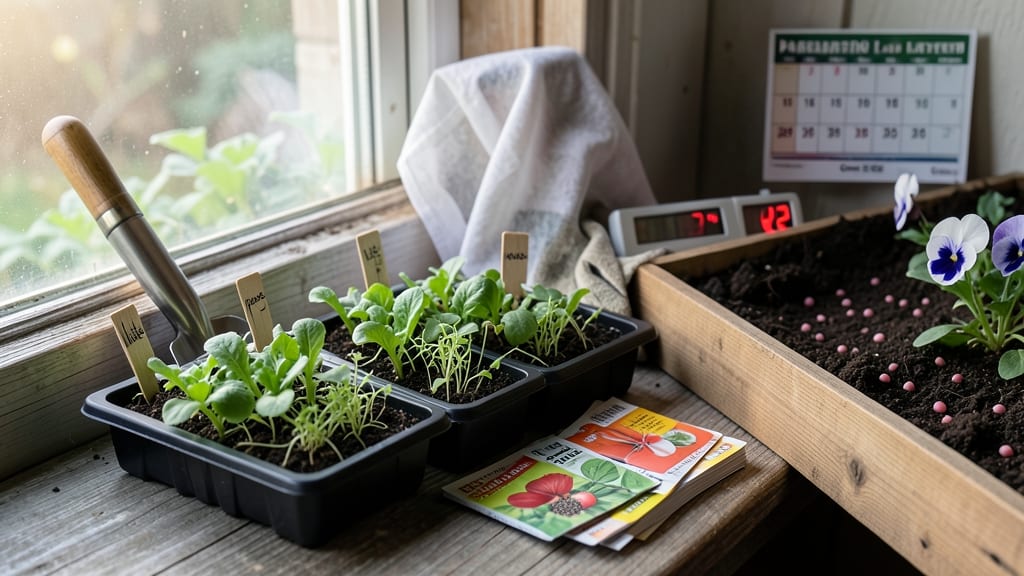
Planting your garden in Pennsylvania at the right time means the difference between a bountiful harvest and wasted effort.
Pennsylvania’s diverse climate—from snowy winters to humid summers—means planting your garden at the wrong time can spell disaster for your crops. But timing it right could mean a bountiful harvest of tomatoes, peppers, and more, even in the Keystone State’s tricky growing zones.
Most gardeners in zones 5b-7a can start cool-season crops like lettuce and peas in early spring, but warm-season favorites like tomatoes and peppers need to wait until after the last frost—usually mid-April in most regions.
Below, I break down the exact planting windows for your General Garden Plants 🌱, regional frost-date variations, and how to adjust for microclimates like Pittsburgh’s urban heat or the Poconos’ cooler highlands.
Pennsylvania hardiness zones & last frost dates by region
Pennsylvania spans USDA hardiness zones 5a through 7a, creating dramatic differences in planting windows from the cool Poconos mountains (5a) to warmer Philadelphia suburbs (7a).
Knowing your exact zone helps you avoid late spring frosts that can kill tender seedlings or miss fall planting opportunities before winter sets in.
Your last spring frost date determines when to plant warm-season crops like tomatoes and peppers, while the first fall frost signals when to harvest or protect cool-season crops.
In most of PA, these dates average April 15 (last frost) and October 15 (first frost), but mountain regions can vary by 2-3 weeks later.
Use this interactive PA hardiness zone map to find your exact zone, then reference the frost date averages below to plan your spring and fall planting windows. For precise local data, check your county's Almanac frost records or use a local weather station.
🌱 PRO TIP: In zone 5a, extend your season with row covers or plant cold-hardy varieties like kale and spinach. In zone 7a, focus on heat-tolerant crops and succession planting for continuous harvests.
For cool-season crops like lettuce, spinach, and peas, plant 4-6 weeks before your last frost date. These hardy greens can often survive light frosts and may even taste sweeter after a light freeze. In zone 5a, start seeds indoors in March for early spring harvests.
Warm-season crops such as tomatoes, peppers, and cucumbers need consistent soil temperatures above 60°F. Wait until 2-3 weeks after
Best planting calendar for Pennsylvania vegetables, flowers & herbs
Timing your Pennsylvania garden right means the difference between a thriving harvest and wilted disappointment. The Keystone State’s USDA zones 5b-7a create unique planting windows—especially when balancing cool-season crops with heat-lovers.
Whether you're growing tomatoes in Philadelphia or zucchini in Pittsburgh, these month-by-month guidelines will keep your garden on track.
Start with cool-season crops like lettuce and peas in early spring, then transition to warm-season favorites (tomatoes, peppers) after the last frost. Don’t forget herbs like parsley, which thrive in cooler weather, while basil demands summer heat.
Flowers like marigolds and sunflowers also have ideal planting times to ensure vibrant blooms all season.
- 1 March-April:
Start cool-season veggies like lettuce, spinach, and peas indoors or under row covers. Plant onion sets and potatoes directly in soil. Parsley and cilantro can handle light frost.
- 2 May-June:
After the last frost date (mid-April), plant tomatoes, peppers, and zucchini outdoors. Transplant basil and marigolds once soil warms to 60°F+. Sunflowers thrive when direct-sown in full sun.
- 3 July-August:
Sow fall crops like kale and carrots for harvest before frost. Succession-plant bush beans every 2 weeks. Herbs like dill self-seed—let some reseed for next year.
- 4 September-October:
Plant garlic and hardy perennials like chives. Extend the season with row covers for spinach or radishes. Stop planting warm-season crops 6 weeks before first frost.
For urban gardeners, container-grown peppers and herbs can be planted 2 weeks later than ground crops.
Always check your local last frost date—Pittsburgh’s average is April 20, while Philadelphia’s is April 10. Cold-tolerant varieties (like ‘Winterbor’ kale) can handle light frosts, while heat-sensitive plants (like cucumbers) need warm soil.
Pro tip: Use mulch to regulate soil temperature and extend planting windows for both spring and fall crops.
For Poconos gardeners in cooler zones, wait until May 15 to plant tomatoes and peppers to avoid late frosts. Sunflowers and marigolds are great for late summer planting—they’ll bloom until the first frost!
With this calendar, you’ll maximize your harvest while avoiding common PA gardening pitfalls. Start small, keep notes, and adjust next year based on your microclimate. Happy planting! 🌱