
Planting
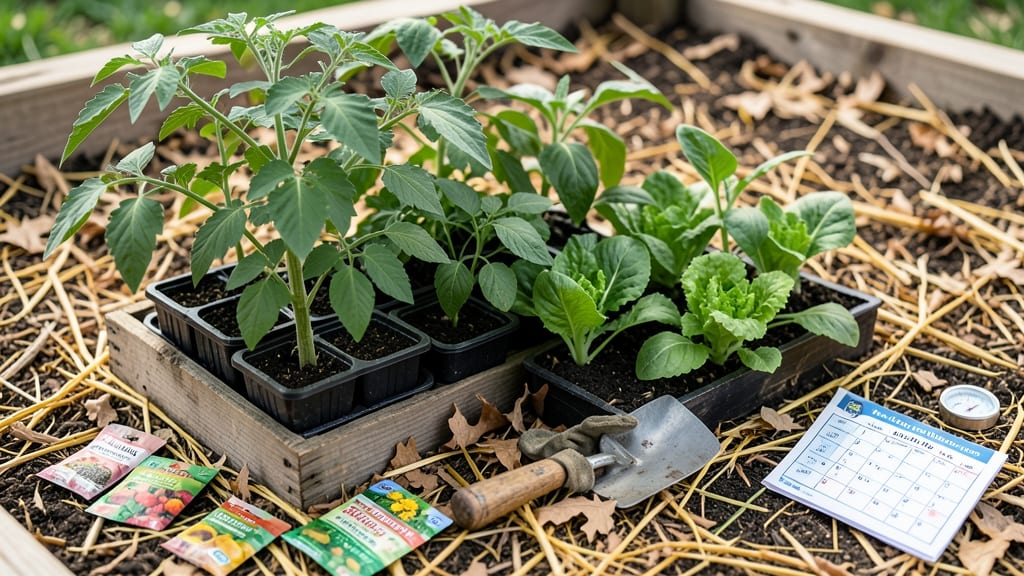
Planting your garden in Ohio at the right time means the difference between a bountiful harvest and a season of disappointment.
Ohio’s unpredictable spring weather can turn your gardening plans into a guessing game—but knowing the exact last-frost dates for your zone is the key to planting at the perfect time for maximum yields.
In Zone 6a, where most of Ohio falls, the average last frost arrives around April 15, but that doesn’t mean you should wait until then to start.
Cool-season crops like spinach and peas can go in the ground as early as March, while warm-season favorites like tomatoes and peppers need to wait until after the frost danger has passed.
Below, I’ll break down the ideal planting windows for everything from early spring greens to summer staples, plus how to adjust for your specific corner of Ohio—so you can avoid common mistakes and get the most out of your garden.
Ohio’s last-frost dates by zone: when to plant cool-season vs. warm-season crops
Ohio’s 7 distinct USDA hardiness zones (5a through 6b) create a gardening puzzle—what works in southern Ohio (like Cincinnati) might fail in northeastern Ohio (like Cleveland).
The key? Last-frost dates from NOAA’s 30-year averages, which I’ve broken down by zone to help you plant cool-season crops (like spinach) at the right time and warm-season crops (like tomatoes) after the danger has passed.
For example, northern Ohio’s (zones 5a-5b) last frost typically hits May 15, while southern Ohio’s (zone 6a-6b) can safely plant by April 15.
But don’t just rely on averages—historical trends show late frosts can occur as late as May 31 in zone 5a, so I’ll show you how to adjust for your specific county using free tools like the Midwestern Regional Climate Center’s frost maps.
Here’s the critical rule: Cool-season crops (such as peas, lettuce, and kale) thrive when planted 4-6 weeks before your last frost date.
Meanwhile, warm-season crops (like peppers, beans, and cucumbers) need soil temperatures above 60°F and should wait until 2 weeks after your last frost. Let’s dive into the zone-by-zone breakdown.
| USDA Zone | Last Frost Date (Avg.) | Cool-Season Planting Window | Warm-Season Planting Window | Key Crops to Plant | Adjustment Tip |
|---|---|---|---|---|---|
| 5a (Northeast Ohio: Cleveland, Toledo) | May 15 | March 20 - April 15 | May 30 - June 15 | Peas, Spinach, Kale, Broccoli | Use row covers for early starts |
| 5b (Northeast/Central Ohio: Akron, Columbus) | May 1 | March 1 - April 1 | May 15 - May 30 | Lettuce, Radishes, Carrots, Onions | Monitor soil temps with a probe |
| 6a (Central/Southwest Ohio: Dayton, Cincinnati) | April 15 | February 20 - March 15 | April 30 - May 15 | Peas, Cabbage, Beets, Potatoes | Start warm crops indoors in March |
| 6b (Southern Ohio: Athens, Chillicothe) | April 1 | February 1 - March 1 | April 15 - April 30 | Spinach, Collards, Turnips, Peas | Extend season with cold frames |
*Dates based on NOAA 30-year averages (1991-2020). Always verify with local weather stations for your county.
If you’re in zone 5a (like Cleveland or Toledo), your last frost is likely around May 15, but I’ve seen it creep into late May in some years.
For southern Ohio (like Cincinnati in zone 6a), you can often plant warm-season crops by April 30—but don’t rush! Soil temperature is just as critical as air temperature. Use a soil thermometer to confirm it’s above 60°F for tomatoes and peppers.
Pro tip: Succession planting is your secret weapon in Ohio. For example, in zone 5b, plant lettuce every 2 weeks from March 1 to May 1 to ensure a steady harvest. Similarly, bush beans can be sown every 3 weeks from May 15 to June 30 for continuous production.
This works especially well for high-value crops like sweet corn or zucchini, which bolt if planted too early.
What if you’re unsure about your exact last-frost date? Check the Midwestern
How to use frost dates to plan your Ohio garden calendar (step-by-step)
Ohio’s last-frost dates vary by zone, but knowing them is the difference between a thriving garden and wasted seeds. For most of Ohio, the average last frost falls between April 15-30, depending on whether you're in southern Ohio (Zone 6b) or northern Ohio (Zone 5a).
I’ve used these dates to create a foolproof planting schedule that accounts for soil temperature, crop sensitivity, and succession planting.
Start by checking your local frost records—Ohio State University Extension provides county-specific data. For example, Columbus (Zone 6a) typically sees its last frost around April 18, while Cleveland (Zone 5b) waits until May 5.
Adjust your planting windows accordingly, and always have row covers or a cold frame ready to extend early-season growing.
- 🌱 Cool-Season Crops (Plant 4-6 Weeks Before Last Frost)
- 🥦 Spinach, Lettuce, Peas – Sow March 15-April 1 (Zone 6a)
- 🌿 Kale, Broccoli, Cabbage – Start March 1-March 31 for fall harvest
- 🥕 Radishes, Carrots, Beets – Direct sow March 20-April 15
- ☀️ Warm-Season Crops (Plant After Last Frost)
- 🍅 Tomatoes, Peppers, Eggplants – Transplant May 1-May 15 (soil 60°F+)
- 🌽 Corn, Beans, Cucumbers – Sow May 10-May 30 (wait until soil is 65°F+)
- 🎃 Squash, Pumpkins, Melons – Plant May 15-June 1 (needs long, warm season)
- 📅 Succession Planting Tips
- 🥬 Lettuce, Radishes – Sow every 2 weeks until July 1
- 🌶 Green Onions, Bush Beans – Plant every 3 weeks for continuous harvest
- 🌻 Flowers (Marigolds, Zinnias) – Sow April 15-June 15 for summer color
For warm-season crops, wait until the soil temperature consistently reaches 60°F+—use a soil thermometer to check. Tomatoes and peppers, for example, will stunt or rot if planted too early. If you’re in northern Ohio, consider starting these indoors in March for a head start.
I’ve had great success with pepper seedlings under grow lights, transplanting them outdoors by May 15.
Extend your growing season with row covers or cold frames to protect cool-season crops from late frosts.
A simple floating row cover can add 4-6°F of warmth, letting you plant spinach or lettuce as early as March 1 in Zone 6a. For warm-season crops, use black plastic mulch to warm the soil faster—this can shave 1-2 weeks off your planting timeline.
Plan for fall planting too! Ohio’s first frost typically arrives between October 15-30, so sow cool-season crops like kale, spinach, and radishes in August for a late-season harvest.
I’ve successfully grown garlic planted in October, harvesting it the following June or July. Keep a planting journal to track what works best in your microclimate!
Download my free Ohio Garden Checklist (link in resources) to track your planting dates, soil temps, and harvest windows. It includes reminders for succession planting, fertilizing, and pest prevention—everything you need to avoid common mistakes and maximize your yield. Happy planting! 🌱