
Plants
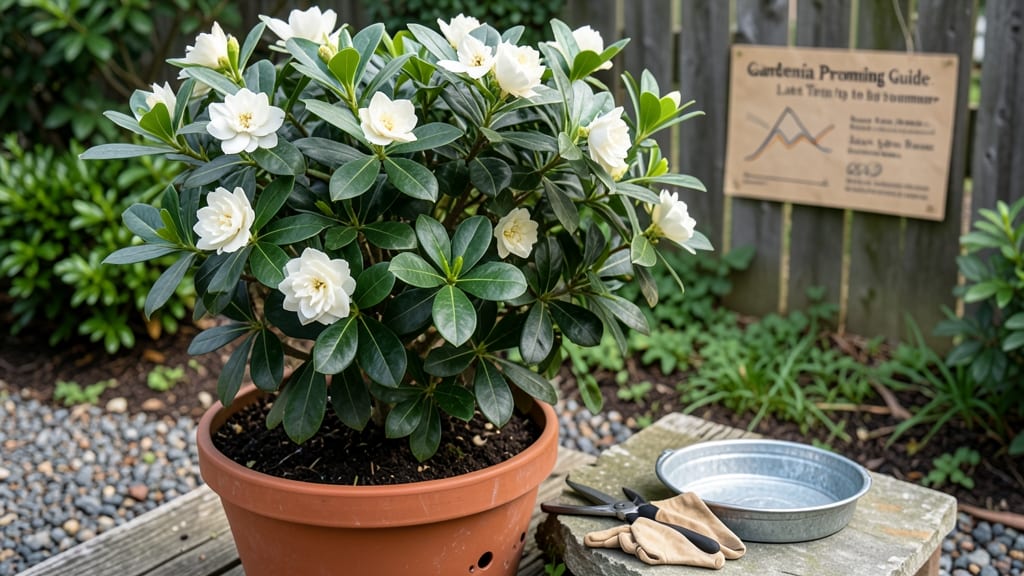
To prune gardenia plants at the right time means unlocking their full blooming potential 🌸—and late winter is the game-changer for most gardeners.
Picture this: you’ve spent months admiring your gardenia’s glossy leaves, only to watch it produce sparse, weak flowers. The issue? Pruning too late or too early disrupts the plant’s natural cycle, leaving it stressed and underwhelming.
But when you time it just right—between January and March—you trigger a surge of new growth and vibrant blooms that’ll make your neighbors jealous.
Here’s the secret: gardenias thrive in USDA Zones 8-11, where late winter’s dormancy makes them primed for pruning.
Whether you’re in a warm climate or a cooler zone, the key is reading the signs—like dried stems and bud formation—and avoiding the 3 biggest mistakes that kill blooms before they start.
Below, I’ll break down the exact steps, tools, and regional tweaks to prune your gardenia for maximum impact—so you can enjoy those fragrant, creamy-white flowers all season long.
Optimal late winter pruning timeline for gardenia blooms
Late winter is the critical window for pruning gardenia plants to ensure vibrant spring blooms. This is when your gardenias enter dormancy, making them less stressed and more responsive to pruning. Timing your cuts correctly stimulates new growth while removing dead or weak branches that can drain energy.
Pruning too early in winter risks frost damage to fresh cuts, while waiting too long delays the plant’s ability to recover and flower. The key is to watch for temperature cues and signs of bud formation, which vary slightly by USDA zone.
Let’s break down the ideal pruning timeline for each month in late winter.
| Month | USDA Zone 8-9 | USDA Zone 10-11 | Signs of Readiness | Key Actions |
|---|---|---|---|---|
| January | Wait until after last frost (late Jan) | Prune early-mid month if no frost risk | Dormant buds visible, no new growth | Light pruning only; remove dead wood |
| February | Ideal time for full pruning | Full pruning by mid-February | Swollen buds, 50°F+ daytime temps | Shape plant, remove 1/3 of oldest wood |
| March | Finish pruning before buds swell | Light touch-up pruning only | New growth starting, 60°F+ temps | Remove any late frost damage |
In USDA zones 8-9, gardenias often experience late winter frosts, so hold off pruning until after the last frost date. Check your local frost calendar—pruning too early can expose fresh cuts to freezing temperatures, which weakens the plant.
Aim to finish pruning by early March to give your gardenias enough time to recover before spring blooming.
For warmer climates (zones 10-11), you can prune as early as January, but avoid heavy pruning if temperatures dip below 50°F. Gardenias in these zones often bloom year-round, so focus on light shaping rather than aggressive cuts.
Always prioritize removing dead or diseased branches first, regardless of the month.
Look for swollen buds as a clear sign your gardenia is ready for pruning. These buds indicate the plant is breaking dormancy and preparing for new growth.
If you see green tips emerging, it’s too late—pruning then can stimulate leafy growth at the expense of flower production. Timing is everything!
After pruning, apply a layer of mulch around the base of your gardenia to retain moisture and protect roots from temperature fluctuations. This is especially important in cooler climates where soil can stay cold longer. Avoid over-mulching, as too much can smother the plant and trap excess moisture.
Finally, feed your gardenias with a balanced, acid-loving fertilizer (like 10-10-10) 4-6 weeks after pruning to support new growth. This timing ensures the plant isn’t stressed by both pruning and fertilization at once.
Pair this with consistent watering to help the cuts heal quickly and set the stage for abundant spring blooms.
By following this late winter pruning timeline, you’ll maximize your gardenia’s blooming potential while keeping the plant healthy and vigorous. The effort pays off in fragrant, lush flowers that’ll make your garden the envy of the neighborhood! 🌸
Step-by-step late winter pruning technique for gardenias
Pruning your gardenia plants in late winter is like giving them a fresh start—it removes dead wood, encourages vibrant blooms, and keeps their shape tidy. But timing and technique matter! If you prune too early or too late, you risk stressing the plant or missing the bloom cycle entirely.
The key is to act when the plant is dormant but before new growth begins, typically in February or early March in most regions.
Before you grab your shears, gather the right tools and materials. You’ll need sharp, bypass pruners for clean cuts, a sterilized saw for thicker branches, and rubbing alcohol to disinfect tools between cuts.
Don’t forget pruning shears for smaller stems and a glove—gardenia leaves can be prickly! Also, have mulch ready to protect the roots post-pruning.
- Step 1: Inspect the plant for dead, diseased, or crossing branches. Cut these first at a 45-degree angle, ¼ inch above a leaf node.
- Step 2: Shape the plant by trimming overgrown or leggy branches. Aim to maintain an open center for airflow and sunlight.
- Step 3: Remove weak or spindly growth at the base. This encourages stronger, bushier growth in spring.
- Step 4: Sterilize tools between cuts with rubbing alcohol to prevent bacterial or fungal spread.
- Step 5: Apply mulch around the base to retain moisture and protect roots from temperature fluctuations.
When pruning, always cut at a 45-degree angle, just above a leaf node or outward-facing bud. This ensures new growth emerges in the right direction and reduces the risk of water pooling on the cut, which can lead to rot or disease.
Avoid cutting too close to the trunk or leaving stubs—both can invite pests or hinder healing. If you’re unsure where to cut, imagine a small pencil eraser above the bud; that’s your target.
After pruning, give your gardenia some extra care to help it recover. Water deeply but avoid overwatering, as soggy soil can stress the plant. Apply a balanced, acid-loving fertilizer (like 10-10-10) in 4-6 weeks to support new growth.
If your gardenia is in a pot, consider repotting it if roots are circling the container—this boosts recovery and bloom potential.
Avoid these common pruning mistakes that can harm your gardenia: pruning too late (after buds form), using dull or dirty tools, or cutting into old wood (which won’t regrow).
Also, never prune more than ⅓ of the plant at once—this can shock the system and reduce blooms. Patience and precision are key!
With the right technique, your gardenia will reward you with showstopping blooms by summer. Pruning in late winter isn’t just about aesthetics—it’s about health, growth, and fragrance. So grab your tools, follow these steps, and enjoy the sweet scent of success! 🌸