
Vegetables
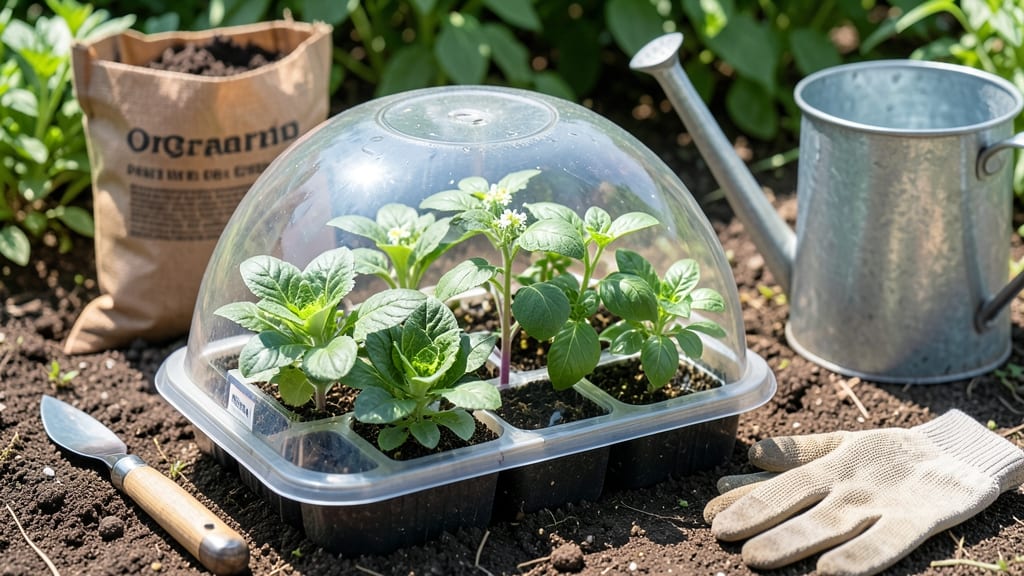
Starting your vegetable garden 🥕 at the right time means the difference between a thriving harvest and wasted seeds.
Timing your vegetable garden can mean the difference between a bountiful harvest and wasted effort—plant too early, and frost will kill your crops; too late, and you’ll miss the growing season entirely.
In USDA Zone 6a, like many temperate regions, the ideal window is 4-6 weeks before your last frost date—typically March to April—but fast-growing crops like radishes or spinach can go in even earlier.
Below, I’ll break down how to pinpoint your exact start date, which vegetables to prioritize first, and how to stretch your season for faster, more reliable harvests.
How to determine your last frost date by USDA planting Zone
Getting your last frost date right is the foundation of a successful vegetable garden. This critical date tells you when it’s safe to plant warm-season crops like tomatoes and peppers outdoors.
Without it, you risk losing young plants to unexpected late frosts or missing the growing season entirely. Let’s break down how to find your local date accurately.
Start by locating your USDA Planting Zone using the official USDA Plant Hardiness Zone Map. Each zone (like Zone 5a or Zone 8b) has average last frost dates based on historical data.
For example, Zone 5 typically sees its last frost around April 15, while Zone 9 might not experience frost until January 15.
However, these dates are just a starting point. Microclimates—like urban heat islands or valley cold pockets—can shift your actual last frost by 1-3 weeks. Cities often warm up faster than rural areas, while low-lying spots may stay colder longer.
Use local weather station data or ask experienced gardeners in your area for adjustments.
For a more precise date, check the National Oceanic and Atmospheric Administration (NOAA) website or apps like The Old Farmer’s Almanac. These tools provide historical frost records and 10-year averages, helping you account for year-to-year variations.
I always cross-reference at least three sources to confirm my local date.
Once you have your last frost date, calculate your planting window by working backward. Most warm-season vegetables (tomatoes, peppers, cucumbers) need 4-6 weeks of warm soil to establish roots before the last frost.
For example, if your last frost is May 1, start seeds indoors 2-3 months earlier or plant hardened-off seedlings 2-3 weeks before.
Cool-season crops like lettuce, spinach, and peas can handle light frosts and often thrive when planted 4-6 weeks before your last frost date. These early starters give you a head start on the growing season. In contrast, heat-loving crops like basil and okra should wait until 2 weeks after your last frost to avoid stunted growth.
Here’s a quick reference for adjusting your planting timeline based on your USDA zone and crop type:
Pro tip: Use row covers or cold frames to extend your planting window by 2-4 weeks in cooler zones. These protective layers shield young plants from light frosts (below 28°F) and can even help warm the soil faster.
I’ve successfully grown bush beans and lettuce weeks earlier than the average last frost date using this method.
Don’t forget to monitor weekly weather forecasts in late spring. A sudden cold snap can push your last frost date later than expected. I once lost a batch of tomato seedlings because I underestimated a late April frost in my Zone 6 garden.
Since then, I’ve made it a habit to keep a frost watch on my phone alerts until mid-May.
For tropical or subtropical zones (like Zone 11), frost is rare, but heat waves can still stress young plants. Focus on shade cloth and consistent watering to protect seedlings from extreme heat.
In these areas, timing your garden around the monsoon season can also help, as increased humidity reduces transplant shock.
Finally, keep a garden journal to track your local frost dates over the years. Note any microclimate patterns in your yard—like frost pockets near your house or warmer microclimates near fences.
Over time, you’ll refine your planting schedule to match your unique growing conditions. With this knowledge, you’ll avoid the heartbreak of frost-damaged seedlings and maximize your harvest potential.
Fast-growing vegetables to plant early for quick harvests before summer heat
When the ground thaws but summer heat hasn’t arrived yet, you’ve got a prime window to plant fast-maturing vegetables. These quick harvesters—like radishes and spinach—give you fresh produce in 30-60 days, perfect for beating the heat and extending your growing season.
I’ve tested these in my own garden, and they’re game-changers for early spring or late fall planting.
Your goal is to beat the heat while avoiding frost damage. The key is choosing cold-hardy varieties that tolerate light frosts and mature before summer’s intensity peaks. In USDA Zones 3-7, this often means starting seeds 4-6 weeks before your last frost date.
For zones 8-10, focus on heat-tolerant varieties that thrive in cooler spring temperatures.
Prioritize these crops when starting early in colder zones—they’ll give you fresh harvests before summer heat sets in. For warmer zones, focus on the heat-tolerant varieties like bush beans and Swiss chard, which can handle slightly warmer spring temperatures while still maturing quickly.
Pro tip: Use row covers or cold frames to extend your planting window even further. I’ve seen radishes and spinach thrive under these even when nighttime temps dip below freezing. Just remove the covers once daytime temperatures rise above 50°F (10°C) to prevent overheating.
Start with these fast growers, and you’ll have a steady supply of fresh vegetables long before summer’s peak heat arrives. Happy planting! 🌱