
Planting
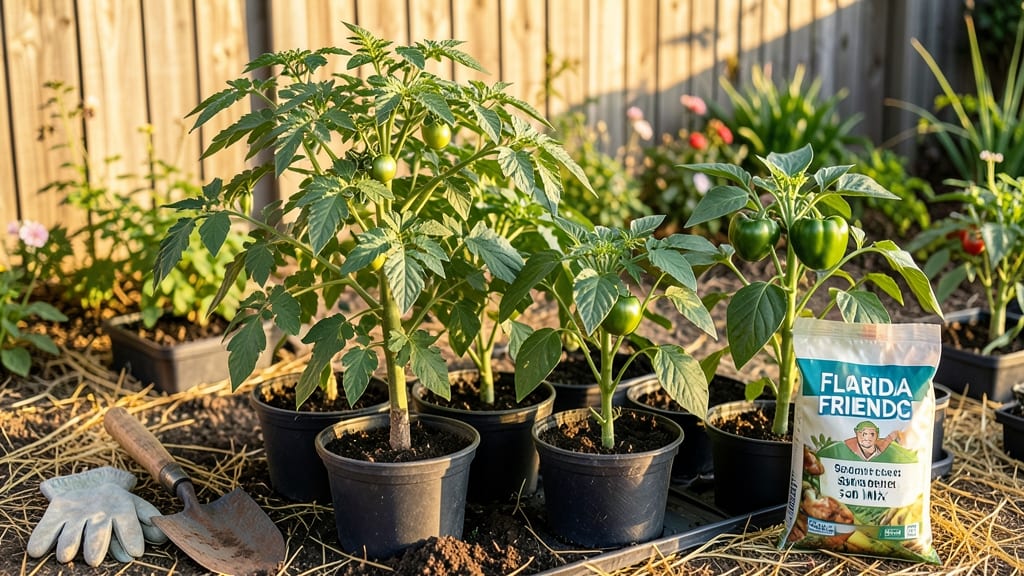
To plant a vegetable garden in Florida successfully, you’ll need to time it right—because the wrong month can mean wilting heat stress or stunted growth, even in the Sunshine State.
Florida’s scorching summers and unpredictable weather can make gardening a challenge—but with the right timing and heat-tolerant varieties, you can grow a thriving 🥬 vegetable garden year-round. The key? Two main planting windows: spring (February–April) for warm-season crops and fall (August–October) for cool-season veggies.
North Florida’s Zone 8a has cooler winters, while Central and South Florida (Zones 9a–11) stay warm year-round. That means your neighbors might be planting tomatoes in March while you’re still prepping for lettuce in September. Confusing? Not if you know the exact months that work for your microclimate.
In this guide, I’ll break down the ideal planting calendar for every zone, the heat-tolerant crops that thrive here, and the mistakes that sink even the most well-intentioned gardens. Ready to grow like a Florida pro?
Florida planting calendar: best months for vegetables by season
Florida’s unique climate lets you grow vegetables year-round, but timing is everything. Unlike northern states, we don’t have true "spring" or "fall" seasons—just two main planting windows: late winter/early spring for warm-season crops and late summer/fall for cool-season varieties.
The key is understanding your microclimate—North Florida’s Zone 8a has cooler winters, while South Florida’s Zone 10a-11 rarely dips below 50°F. Central Florida (Zone 9a) falls in between, offering the broadest planting flexibility.
For warm-season crops like tomatoes, peppers, and okra, the ideal window is March to May in North Florida and February to April in Central and South Florida. These heat-lovers need warm soil—wait until nighttime temperatures stay above 55°F to avoid stunted growth.
Cool-season crops such as lettuce, broccoli, and carrots thrive when planted August to October for fall harvests or December to February for spring harvests, especially in North Florida where cooler temps linger.
Here’s your Florida Planting Calendar broken down by region and crop type:
| Crop Type | North Florida (Zone 8a) | Central Florida (Zone 9a) | South Florida (Zone 10a-11) | Key Notes |
|---|---|---|---|---|
| Warm-Season Crops | March–May August–September |
February–April July–September |
January–March June–August |
Soil temp ≥60°F; use shade cloth in summer |
| Tomatoes | March–April August |
February–March July–August |
January–February June–July |
Choose heat-tolerant varieties like 'Celebrity' |
| Peppers | March–May | February–April | January–March | Direct-sow after last frost risk; mulch heavily |
| Okra | April–June August–September |
March–May July–September |
February–April June–August |
Drought-tolerant; plant in full sun |
| Cool-Season Crops | August–October December–February |
July–September November–January |
June–August October–December |
Use row covers for frost protection in North FL |
| Lettuce | August–September December–January |
July–August November–December |
June–July October–November |
Plant in partial shade to prevent bolting |
| Broccoli | September–October January–February |
August–September December–January |
July–August November |
Harvest before heads flower; fertilize with nitrogen |
| Carrots | August–September December–January |
July–August November–December |
June–July October–November |
Loosen soil to prevent forking; water consistently |
In North Florida, where frost can still occur in January and February, protect cool-season crops with row covers or cold frames. Central Florida gardeners enjoy longer growing seasons but must watch for hurricane season (June–November), which can delay spring planting.
South Florida’s extended warm season allows for year-round plantings, but
Top 10 heat-tolerant vegetables that thrive in Florida’s climate
Florida’s 90°F+ summers can wilt many vegetable varieties, but these heat-tolerant champions thrive when others struggle. I’ve grown these in my Central Florida garden for years, and they consistently deliver—even when temperatures soar.
The secret? Choosing varieties bred for high humidity and intense sun while adjusting your planting timeline to avoid peak heat stress.
For example, 'Celebrity' tomatoes and Malabar spinach handle Florida’s climate better than traditional varieties. These plants not only survive but produce abundantly with minimal fuss.
Below, I’ve ranked my top 10 heat-resistant vegetables based on yield, drought tolerance, and ease of care—plus the exact months to plant them for maximum success in Florida’s microclimates.
My top pick for year-round production is Malabar spinach. Unlike traditional spinach, it loves Florida’s heat and grows like a weed in my shady garden beds.
Plant it any month except December–January, and it’ll reward you with tender, vine-like leaves that taste like a cross between spinach and okra. For summer tomatoes, I swear by 'Celebrity' tomatoes—they handle the heat better than heirlooms and resist cracking in Florida’s unpredictable downpours.
When planting warm-season crops like peppers and okra, aim for early spring (February–March) or late