
Planting
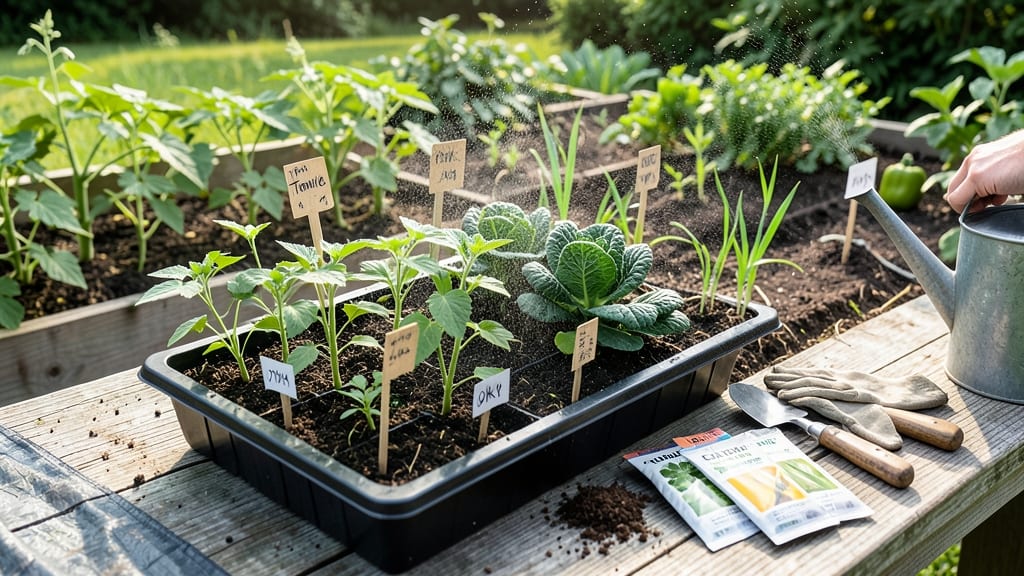
Planting a vegetable garden in Mississippi at the right time means the difference between a lush harvest and wilted disappointment 🌱 — aim for February-March for cool-season crops and after March 15 for heat-lovers.
Mississippi’s long, hot summers and unpredictable frost dates can make timing your vegetable garden tricky—but planting at the wrong time means wilted dreams instead of homegrown harvests. Mastering the state’s frost-free windows and heat-tolerant crops is your key to a thriving garden.
Cool-season crops like lettuce and spinach thrive when planted 4-6 weeks before your last frost (around February), while tomatoes and peppers need to wait until soil warms up 2-3 weeks after. The Delta’s earlier springs and the Gulf Coast’s milder winters add extra layers to the puzzle.
In this guide, I’ll break down Mississippi’s frost dates by region, highlight the top 7 heat-tolerant crops that outperform in humidity, and share the 3 biggest planting mistakes (and how to fix them) so you can grow like a pro.
Mississippi’s frost dates & optimal planting windows by season
Mississippi’s USDA Zones 7b-9a create a unique gardening challenge—short, mild winters and long, humid summers demand precise timing for your vegetable garden.
The state’s last spring frost typically arrives between March 15 (north) and April 1 (south), while the first fall frost hits November 1-15, depending on elevation and microclimates like the Delta’s warmer pockets or the Gulf Coast’s extended growing season.
Understanding these frost-free windows is critical—planting cool-season crops too late or warm-season crops too early can lead to stunted growth or total crop failure. For example, lettuce sown after April 1 in northern Mississippi may bolt before harvest, while tomatoes planted before May 1 risk frost damage.
Let’s break down the exact planting windows for each region and crop type.
Here’s a region-specific guide to Mississippi’s frost dates and optimal planting windows, tailored to the North (Zones 7b-8a), Central (Zone 8a), and South/Gulf Coast (Zones 8b-9a).
These timelines account for microclimates, like urban heat islands or protected garden spots, which can extend your growing season by 2-4 weeks.
For cool-season crops like broccoli, spinach, and carrots, aim to sow seeds 4-6 weeks before your last frost date. In northern Mississippi, this means starting in mid-February, while southern gardeners can begin as early as January.
Use row covers or cold frames to push these windows even earlier if needed.
Warm-season crops—such as tomatoes, peppers, and okra—require soil temperatures above 60°F and should wait until 2-3 weeks after your last frost.
In the Delta, this could be as early as mid-April, but in north Mississippi, hold off until May 1 to avoid late-spring frosts. Pro tip: Preheat soil with black plastic mulch 1-2 weeks before planting to speed up germination.
Mississippi’s humidity and clay-heavy soils can stress plants, so succession planting is key. For example, sow bush beans every 2 weeks from April to July to ensure a continuous harvest.
Similarly, fall-planted crops like kale and turnips thrive in cooler temperatures and can be sown as late as September 1 in most regions.
Don’t overlook microclimates—your garden’s location matters. A south-facing slope warms up faster in spring, while a shady spot under trees may stay cooler. Urban gardens near pavement or buildings can be 5-10°F warmer than rural areas, allowing for earlier planting. Use these localized advantages to extend your growing
Top 7 heat-tolerant vegetables that thrive in Mississippi’s climate
Mississippi’s humid heat and long summers demand vegetables that not only survive but thrive under these conditions. The right heat-tolerant varieties can transform your garden into a productive oasis, even when temperatures soar above 90°F.
These seven crops are proven winners in USDA Zones 7-9, offering both resilience and delicious harvests.
Choosing the right vegetables isn’t just about heat tolerance—it’s also about companion planting and proper spacing to maximize airflow and reduce disease risk. For example, okra and sweet potatoes love the heat but benefit from being planted near basil or marigolds, which deter pests naturally.
Let’s dive into the specifics of each crop to help you plan your summer garden like a pro.
🌱 PROS-CONS BOX: Mississippi’s Best Heat-Tolerant Vegetables
Okra
- Thrives in 90°F+ heat
- Drought-resistant once established
- Fast-growing (50-60 days to harvest)
- Pods can become woody if overripe
- Requires well-draining soil to prevent rot
🌱 Planting: Direct sow after last frost, 1 inch deep, 12-18 inches apart. Companion: Basil, Marigolds.
Sweet Potatoes
- Loves humidity and heat
- Dual harvest: leaves and tubers
- Pest-resistant (e.g., sweet potato weevil)
- Slow to mature (90-120 days)
- Needs loose soil to prevent forked tubers
🌱 Planting: Slips after soil warms to 65°F, 12 inches apart. Companion: Corn, Peppers.
Collard Greens
- Heat-tolerant after bolting (unlike lettuce)
- Nutrient-dense (vitamin K, calcium)
- Can be harvested year-round in mild winters
- Bolts in extreme heat (plant in fall)
- Susceptible to cabbage worms if not monitored
🌱 Planting: Direct sow 1/4 inch deep, 12-18 inches apart. Companion: Onions, Radishes.
For okra, timing is everything—plant seeds 2-3 weeks after your last frost date, typically around mid-April to early May in Mississippi. This gives the plants enough time to establish roots before the peak summer heat.
Varieties like ‘Clemson Spineless’ or ‘Emerald’ are top performers, producing tender pods in as little as 50 days. To keep them productive, harvest pods every 2-3 days before they toughen up.
If you’re growing sweet potatoes, start with slips (young plants) once the soil temperature consistently stays above 65°F. This usually aligns with late April to early May in most of Mississippi.
Choose varieties like ‘Beauregard’ for its disease resistance and sweet flavor. Sweet potatoes also benefit from mulching to retain moisture and suppress weeds, which is especially helpful during dry spells.
Don’t overlook collard greens—they’re a Southern staple for a reason. While they prefer cooler weather, they bolt less than lettuce and can handle 85°F+ temperatures better. For a summer harvest, plant seeds in late summer (August) for a fall/winter crop.
Varieties like ‘Georgia Southern’ or ‘Top Bunch’ are excellent choices, offering tender leaves even in heat.
For all these crops, soil preparation is key. Mississippi’s clay-heavy soil can be improved with