
Tools
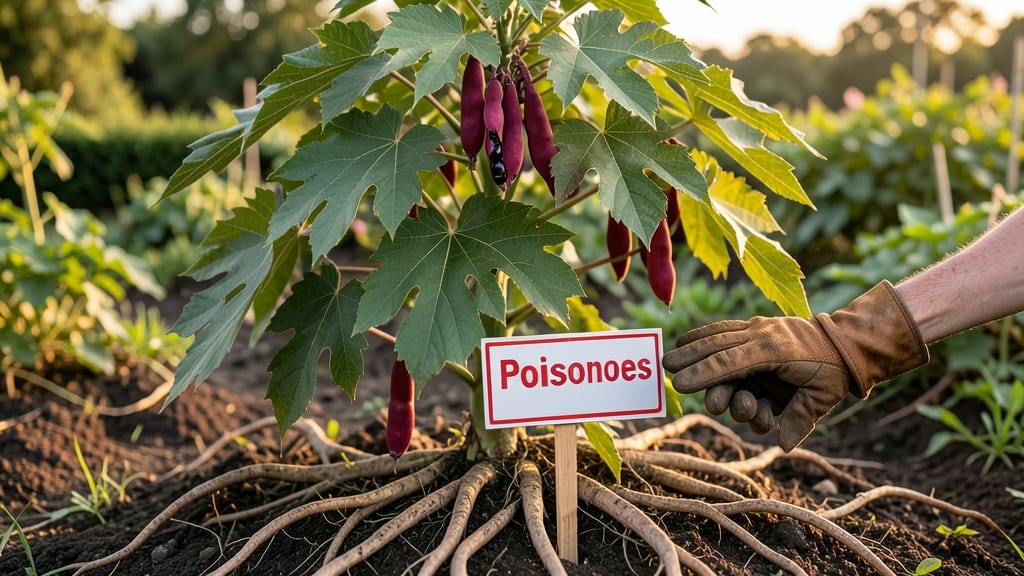
The world's deadliest garden contains plants like castor bean, oleander, and foxglove, which produce deadly compounds such as ricin, cardiac glycosides, and alkaloids. Cultivating these requires extreme caution—protective gear, sealed containers, and proper waste disposal—to avoid accidental poisoning or contamination.
Creating a garden with these lethal botanicals isn't just about aesthetics—it's about understanding their hidden dangers. 🔥 Ricin, for example, can be fatal in micrograms, while oleander's cardiac glycosides disrupt heart rhythms. Even touching some plants without gloves can cause skin irritation or systemic poisoning.
I always recommend growing these in secure, labeled containers with ventilation systems to prevent airborne exposure. Legal restrictions vary by region, so check local regulations before planting.
Beyond physical safety, proper disposal is critical. Never compost toxic plant clippings—incineration or hazardous waste facilities are the only secure options. In case of accidental exposure, seek emergency medical help immediately, as symptoms like vomiting or respiratory distress can escalate rapidly.
The thrill of cultivating rare plants must never outweigh these precautions.
💡 In This Article
- Deadly Plant Toxins: How They Work and Why They Kill
- Safely Cultivating Toxic Plants: Step-by-Step Guidelines
Deadly plant toxins: how they work and why they kill
The most lethal plants in this garden pack a biochemical punch through three primary toxin classes: ricin (from castor beans), cardiac glycosides (like oleander's oleandrin), and alkaloids (found in foxglove's digitalis).
Ricin, for instance, works by irreversibly binding to ribosomes in human cells, halting protein synthesis—just 0.5 milligrams can be fatal to an adult.
That's roughly the weight of a few grains of sand. 🔥 The toxin's structure contains two chains (A and B) that work together: Chain B helps it enter cells, while Chain A does the deadly damage.
Cardiac glycosides like oleandrin target the heart's sodium-potassium pumps, causing deadly arrhythmias. A single leaf of oleander contains enough toxin to kill a child, and symptoms appear within 30 minutes to 2 hours after ingestion.
Foxglove's digitalis works similarly but also affects the nervous system, leading to hallucinations before cardiac arrest. What's chilling is how these toxins persist: Ricin remains active for years in dried plant matter, while oleander's toxins can survive in smoke particles from burning the plant.
Exposure routes vary by plant. Castor beans release ricin primarily through ingestion or inhalation of crushed seeds, while oleander's toxins can enter through skin contact (especially broken skin) or inhalation of dust from dried leaves. Foxglove's alkaloids are absorbed quickly through the digestive tract.
The key difference lies in their speed: Ricin's effects take 24-72 hours to manifest, while cardiac glycosides act within hours. This delayed onset with ricin makes it particularly insidious—victims may not realize they've been poisoned until it's too late. 💫
To put these toxins in perspective, consider this comparison: A single castor bean contains enough ricin to kill 1,000 people if properly refined. Oleander is 5-10 times more toxic than foxglove, and both are more dangerous than common poisons like arsenic.
The plants' bright flowers and attractive foliage make them particularly deceptive—many gardeners unknowingly cultivate them for their ornamental value before discovering their lethal potential.
What makes these toxins even more dangerous is their stability. Ricin can survive 100°C (212°F) heat for hours, while oleander's toxins resist degradation in soil and water. This persistence means proper disposal isn't just about immediate safety—it's about preventing long-term environmental contamination.
Even composting can release these toxins into groundwater systems, posing risks to ecosystems and nearby communities.
The human body has no natural defense against these compounds. Ricin poisoning causes multi-organ failure as cells starve for proteins, while cardiac glycosides lead to irregular heartbeats that can't be corrected with standard treatments.
The lack of antidotes means prevention through proper handling is the only effective strategy. This is why understanding each plant's specific toxicity profile is crucial for anyone considering cultivation.