
Pests
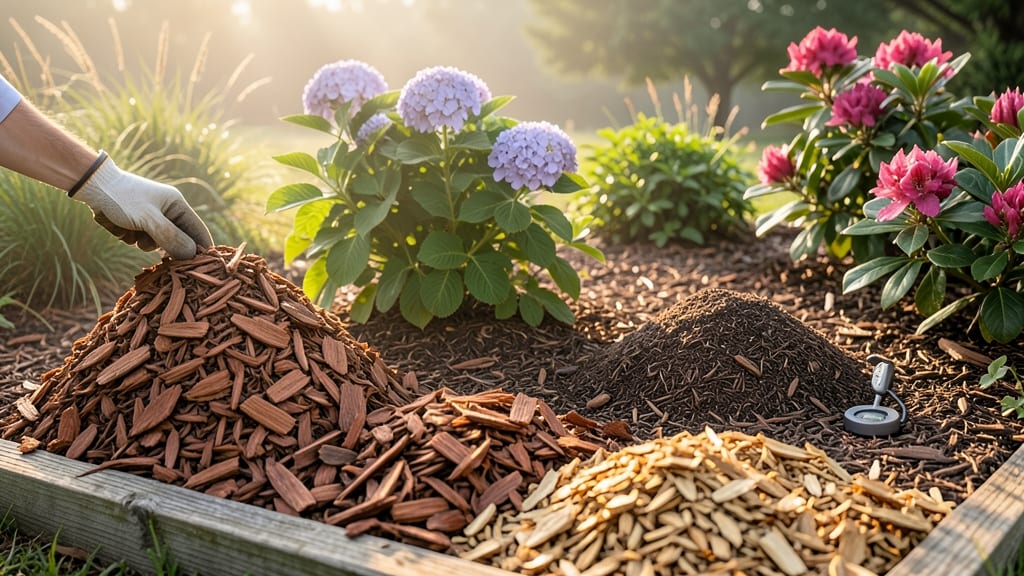
Dealing with bark buildup in your garden means clearing debris with a rake or shovel, composting organic mulch, and avoiding burning to protect soil quality. Opt for alternatives like wood chips or straw for healthier garden beds.
Bark accumulates in gardens through natural processes like windblown debris, fallen branches, or decomposed mulch.
Over time, this buildup can smother plants, block sunlight, and create ideal conditions for pests like rodents or insects. 🌿 The key is acting quickly—spring or early fall are the best times to tackle removal before bark becomes compacted or mixed with soil.
I’ve found that using a stiff-bristle rake first loosens surface debris, while a shovel handles thicker layers without disturbing nearby plants.
For larger areas, a leaf blower or mulching mower can speed up the process significantly. Always wear gloves to protect your hands from splinters or sharp edges.
After removal, consider spreading fresh mulch to suppress weeds and retain moisture—just avoid piling it too thickly, as that can suffocate roots over time.
💡 In This Article
- Why Bark Builds Up in Gardens and Its Effects
- Best Tools and Techniques for Fast Bark Removal
Why bark builds up in gardens and its effects
Bark accumulates in gardens primarily through natural processes like windblown debris, fallen branches, and the breakdown of mulch. When trees shed bark naturally or during storms, pieces scatter across lawns and garden beds. Even organic mulch—like wood chips—eventually decomposes into fine particles that resemble bark fragments.
This process accelerates in wet climates or during autumn when trees shed more aggressively. 🌿 Over time, these fragments form thick layers that can suffocate plant roots by blocking air and water.
The impact on soil health is significant. Excessive bark creates a physical barrier that prevents water from penetrating, leading to dry soil conditions even after rain. It also depletes nutrients as it breaks down, competing with plants for essential minerals like nitrogen.
Pests like rodents and insects thrive in these dense layers, using them as nesting material or hiding spots. For example, a 1-inch-thick layer of bark debris can reduce soil moisture by up to 30% compared to bare soil, stunting plant growth.
Visually, bark buildup disrupts garden aesthetics, creating an unkempt appearance that detracts from landscaping efforts. Dark, weathered bark contrasts sharply with vibrant plants, making garden beds look neglected. This is especially noticeable in formal gardens where clean lines and uniformity are prioritized.
The texture of bark fragments also traps moisture, promoting fungal growth that can damage plant roots or foliage over time.
Seasonal factors play a critical role in bark accumulation. Fallen leaves and bark are most prevalent in autumn, while spring storms can dislodge large branches. Humidity levels further influence how quickly bark decomposes—moist environments accelerate breakdown, while dry conditions preserve fragments longer.
Understanding these patterns helps gardeners predict when removal will be most effective, typically in early spring before new growth begins or in late fall after leaf drop.
One often-overlooked effect is how bark affects soil temperature. Dark bark absorbs heat during the day, raising soil temperatures by 5-10°F compared to exposed soil. While this might seem beneficial, it can stress heat-sensitive plants like lettuce or peas.
Conversely, thick bark layers insulate soil in winter, protecting roots from freezing—but only if the bark is organic and decomposing properly. Non-decomposed bark, however, creates a barrier that disrupts natural temperature regulation.
To mitigate these effects, gardeners should monitor bark buildup regularly, especially in high-traffic areas or near large trees. A simple quarterly inspection can reveal problem spots before they become unmanageable. For instance, a 50-square-foot garden bed might accumulate enough bark to require removal every 3-4 months if left unattended.
Proactive removal prevents long-term damage while maintaining a healthy, visually appealing garden.