
Watering
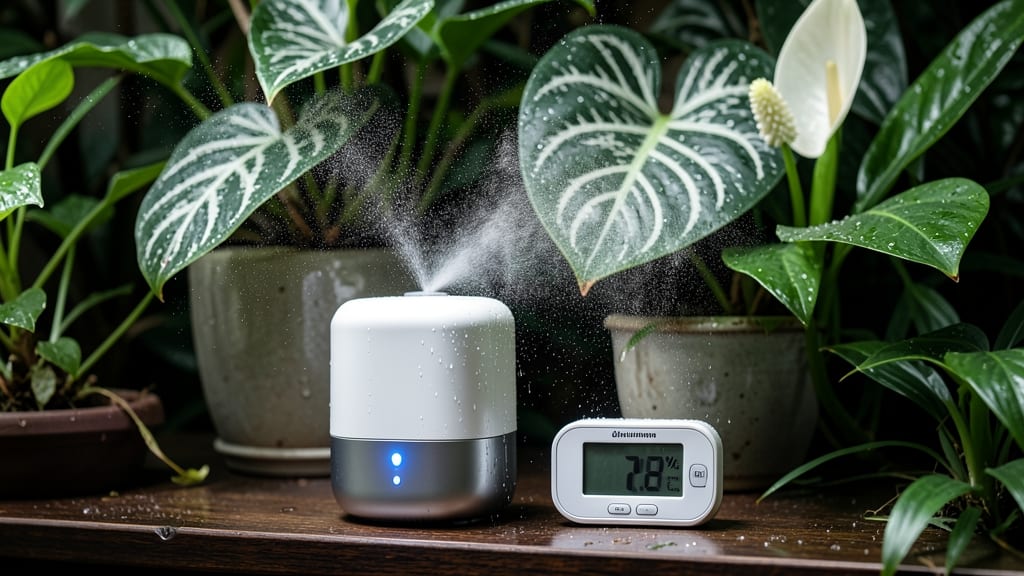
A cool mist garden replicates tropical humidity using fine misting systems to create ideal conditions for moisture-loving plants like ferns, orchids, and calatheas. This method boosts air circulation while maintaining consistent humidity levels naturally.
A cool mist garden transforms your space into a tropical haven by delivering fine water droplets that hover in the air, creating the perfect environment for plants that thrive in high humidity. 🌿 Unlike traditional watering, this system mimics natural rainforest conditions, which helps prevent fungal issues while promoting healthier foliage growth.
The gentle mist also cools the air slightly, making it ideal for both plants and people in warmer climates.
This approach works particularly well for plants like philodendrons and peace lilies, which often struggle in dry indoor environments. The key advantage is the ability to maintain 60-80% humidity without overwatering the soil directly, reducing root rot risks.
For best results, pair your misting system with a fan to enhance air movement and prevent stagnant moisture buildup.
💡 In This Article
- How Cool Mist Systems Enhance Plant Growth
- Top 10 Humidity-Loving Plants for Cool Mist Gardens
How cool mist systems enhance plant growth
The magic of a cool mist garden lies in its ability to replicate the natural humidity of tropical rainforests, where air moisture often hovers between 70-90%.
When fine water droplets—typically 10-50 microns in diameter—are released into the air, they create a suspended water vapor that plants can absorb through their leaves via a process called foliar uptake.
This isn't just about keeping leaves damp; it's about maintaining a consistent moisture gradient that reduces the stress on plants, particularly those from humid climates like calatheas or maidenhair ferns.
This system works by increasing the relative humidity around plants, which directly impacts their transpiration rates. Transpiration is how plants release water vapor through stomata (tiny pores) on their leaves. In dry conditions, plants close these pores to conserve water, slowing growth and making them more susceptible to pests.
A cool mist garden keeps these pores open longer, allowing for optimal gas exchange (CO₂ in, O₂ out) while maintaining turgor pressure—the internal water pressure that keeps leaves plump and upright. Studies show that plants in 60-80% humidity environments can grow up to 30% faster than those in dry air.
Beyond growth, misting systems also improve disease resistance by preventing fungal spores from becoming airborne. Unlike overhead watering, which can splash spores onto leaves, fine misting creates a cool, moving air current that discourages fungal colonization.
The slight cooling effect from evaporation also helps protect plants from heat stress, especially in indoor spaces where HVAC systems can dry out the air.
For example, a philodendron in a cool mist garden will show fewer brown leaf tips—a common sign of low humidity—because the environment mimics its natural habitat.
There are two main types of misting systems: passive (like ultrasonic humidifiers) and active (pressurized spray nozzles). Passive systems are quieter and better for delicate plants, while active systems provide more precise control over droplet size and distribution.
The choice depends on your setup—small setups (like a single shelf garden) work well with passive methods, while larger spaces may need high-pressure misting lines that deliver 0.5-1 gallon per hour of water output. For best results, pair your system with a hygrometer to monitor humidity levels in real-time.
One often-overlooked benefit is how misting affects root health. While the primary focus is on leaf moisture, the increased humidity in the air reduces the rate at which soil dries out.
This means roots stay hydrated longer between waterings, reducing the risk of root rot from overwatering while still providing the moisture tropical plants crave. For instance, an orchid in a cool mist garden might only need watering every 7-10 days instead of the daily top-ups required in dry air.
Consider this: In a typical indoor environment with 30-40% humidity, a peace lily might drop its leaves as a stress response. But in a cool mist garden, the same plant will thrive, producing larger leaves and more frequent blooms.
The key is consistency—the system should run for 10-15 minutes every 2-4 hours to maintain optimal conditions without creating stagnant, mold-prone environments. 🌿