
Pests
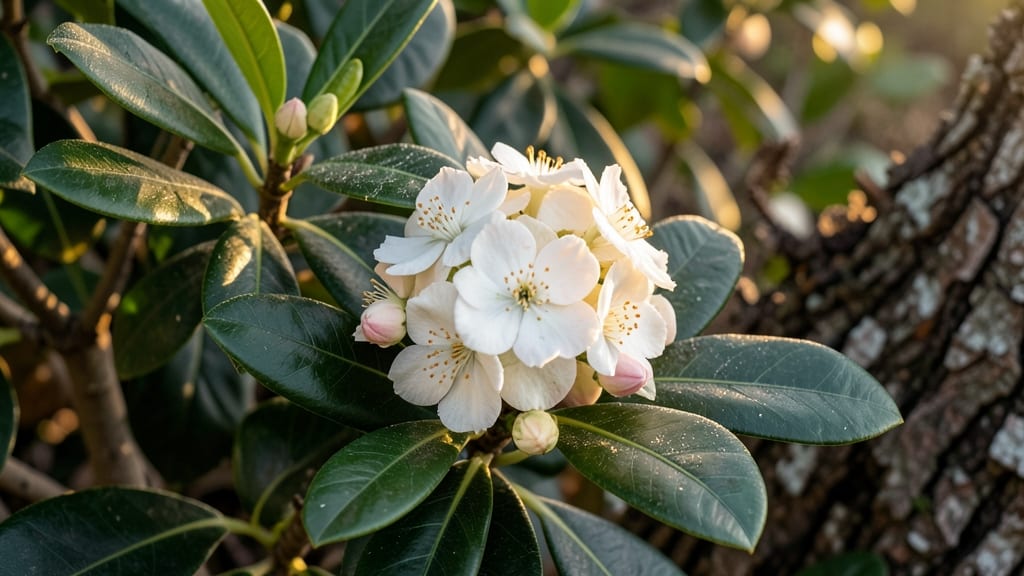
Deer eat gardenias, often targeting the leaves, flowers, and tender new growth, especially during late spring and summer when food is scarce. Their browsing can stunt plant growth or kill young shrubs if left unchecked.
Deer are particularly drawn to gardenias because their leaves and blooms contain mild nutrients that appeal to hungry deer during dry seasons. 🌿 The glossy foliage and fragrant flowers act like a dinner bell, signaling an easy meal.
Young gardenia plants are especially vulnerable—deer can completely defoliate them, leaving your shrubs stunted or even dead if the damage isn't controlled early. I've seen gardenias reduced to bare stems after just one night of deer activity, so prevention is key.
This isn't just about aesthetics—deer browsing disrupts the plant's ability to photosynthesize, weakening its root system over time. 🌱 The good news? Gardenias aren't a deer's first choice when preferred foods like clover or berries are available, but when those options disappear, your prized shrubs become an all-you-can-eat buffet.
Understanding this seasonal pattern helps you time your protective measures most effectively.
💡 In This Article
- Why Deer Are Drawn to Gardenias
- Effective Deer-Resistant Gardenia Protection Methods
Why deer are drawn to gardenias
Deer target gardenias primarily because their leaves contain moderate protein levels (around 12-15% dry matter) and water content (70-80%), which makes them an attractive snack during dry seasons when preferred foods like clover or berries become scarce.
The glossy, dark green foliage also provides visual contrast against drier vegetation, making gardenias stand out like a neon sign to foraging deer. 🌿 What's surprising is that deer actually prefer the young, tender growth over mature leaves—this new growth has higher nutrient density, similar to how humans prefer al dente vegetables over overcooked ones.
The fragrant white flowers play a dual role: their sweet scent (containing compounds like linalool) can attract deer from up to 50 feet away during dawn and dusk when browsing activity peaks.
However, the real magnet is the moisture-rich petals, which deer find irresistible during hot summer months when other plants have wilted. Studies show deer will spend up to 30% more time browsing areas with flowering gardenias compared to non-flowering plants, even when other food sources exist nearby. 🌸
Seasonal hunger triggers explain why gardenias face the most damage between late spring and early fall. During these months, deer have just finished raising fawns and are in peak nutritional need.
A mature doe can consume up to 3-4 pounds of vegetation daily—enough to completely strip a medium-sized gardenia shrub in just one night.
The damage isn't just cosmetic; deer browsing removes the plant's primary photosynthetic surface, forcing gardenias to divert energy from flowering to regrowing leaves, which weakens their overall health.
Here's what most gardeners miss: deer have a preference hierarchy that changes with the season. While gardenias aren't their top choice when preferred foods like apples, corn, or soybeans are available, they become a high-priority snack when these foods disappear.
This is why you'll often see deer completely ignore gardenias in early spring but devour them by mid-summer—the timing correlates directly with local agricultural cycles and natural food availability.
The impact on plant health is measurable. Gardenias that lose more than 30% of their foliage show 50% reduced flowering the following season, and young plants under 2 years old often die from repeated browsing.
The root system becomes stressed as the plant diverts all energy to leaf regrowth rather than establishing deeper roots. 💀 This is why professional landscapers recommend protecting young gardenias with physical barriers during their first two growing seasons—they're most vulnerable then.
Interestingly, deer browsing can actually stimulate some gardenia varieties to produce more flowers as a survival mechanism, but this is a short-term response. The long-term effect is stunted growth and reduced plant vigor.
What's fascinating is how deer learn from each other—once one deer discovers a gardenia patch, others quickly follow, creating what wildlife managers call a "deer browsing hotspot." This herd behavior makes localized protection even more critical.