
Vegetables
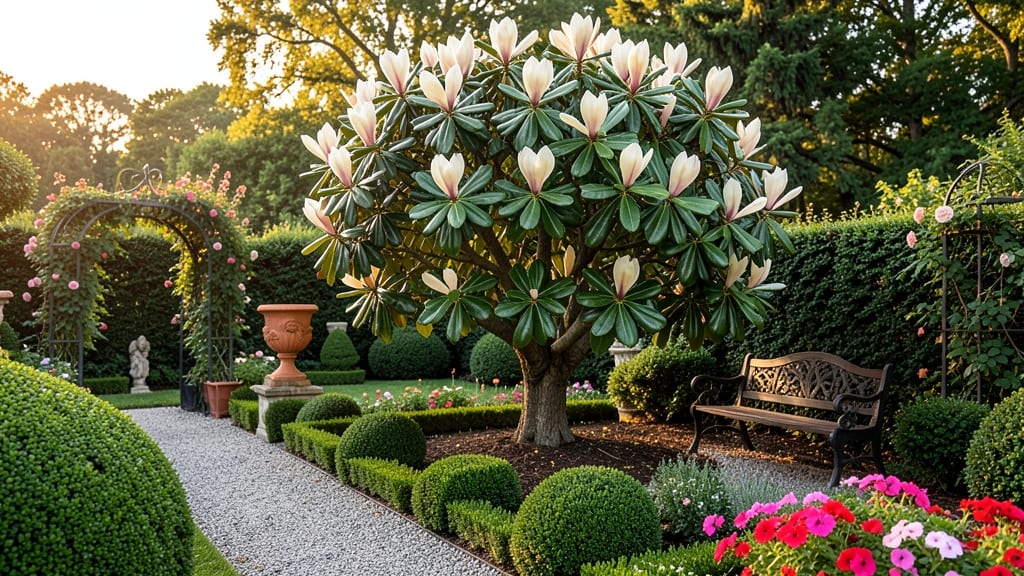
Filoli Gardens in San Francisco offer a one-of-a-kind Bay Area experience through their beautifully preserved 1915 estate gardens, where classic English and Italian designs merge seamlessly with native California plants and vibrant seasonal blooms. Spanning 550 acres, this historic property includes meticulously maintained gardens, working orchards, and farmland that celebrate early 20th-century gardening traditions and sustainable practices.
What sets Filoli apart is its ability to blend historical charm with modern horticultural innovation. 🌿 The gardens were originally designed by renowned landscape architects and later restored to reflect their original grandeur while incorporating drought-resistant native species.
This thoughtful approach not only preserves the estate's heritage but also demonstrates how sustainable gardening can thrive in California's diverse climate. Whether you're admiring the formal Italian terraces or wandering through the wildflower meadows, each season reveals a different side of this living museum.
Beyond the stunning landscapes, Filoli's working farm and orchards provide a hands-on connection to where food comes from. 🍎 Visitors can learn about heirloom varieties, seasonal harvests, and even participate in farm-to-table experiences.
The estate's commitment to education—through guided tours and workshops—makes it more than just a pretty garden; it's a living classroom about the intersection of history, ecology, and agriculture in the Bay Area.
💡 In This Article
- Historical and Horticultural Design of Filoli’s Signature Gardens
- Visiting Filoli: Seasonal Plant Highlights and Garden Tours
Historical and horticultural design of Filoli’s signature gardens
Filoli’s garden design is a masterclass in early 20th-century landscape architecture, blending European traditions with California’s native ecosystem. The estate’s original gardens were shaped by renowned designers like William R. Walker and later refined by the De Young family, who incorporated Italian Renaissance terraces and English cottage-style gardens.
These styles were adapted using drought-tolerant native plants like California poppies and manzanita shrubs, which thrive in the region’s Mediterranean climate while requiring minimal irrigation—a sustainable approach decades ahead of its time.
The Rose Garden, planted in 1917, features over 1,000 roses from 200 varieties, including heirloom species like the ‘Souvenir de la Malmaison’ and modern hybrids. The garden’s layout follows classic English parterre designs, with symmetrical pathways and geometric beds that frame the historic mansion.
Meanwhile, the Walled Garden showcases Italian influences with its rectangular shape and high stone walls, originally used for growing vegetables and herbs for the estate’s kitchen. These walls, made of locally quarried stone, create a microclimate that extends the growing season by 2-3 weeks compared to open garden beds.
Seasonal transformations are a hallmark of Filoli’s gardens. In spring, the Wildflower Meadows burst into color with native species like California fuchsia and lupine, while summer brings vibrant dahlias and zinnias to the formal beds.
Autumn’s camellia collection, with over 300 plants, offers a sensory experience—each bloom emits a subtle, sweet fragrance that lingers in the crisp air. The estate’s orchards, featuring 20+ fruit varieties, including rare European pear and Asian persimmon trees, demonstrate how historical gardening techniques can coexist with modern conservation efforts.
What makes Filoli’s design truly unique is its integration of functional and decorative elements. The Italian Terrace Garden, for example, wasn’t just for aesthetics—its tiered stone terraces prevent soil erosion while creating dramatic visual layers.
Similarly, the English Cottage Garden near the mansion was designed to feel like an extension of the home, with winding paths and informal plantings that encourage leisurely exploration.
This dual-purpose approach reflects the De Young family’s philosophy: gardens should be both beautiful and productive, a principle that resonates with today’s emphasis on sustainable landscapes.
One often-overlooked feature is the hidden water features, like the Italian Fountain in the lower garden. These weren’t just decorative—they were essential for irrigation in an era before modern plumbing. The fountain’s 10-foot-tall stone basin collects rainwater, which is then channeled through underground pipes to nourish the gardens.
This clever system reduced the estate’s reliance on imported water by up to 30%, a practice that feels remarkably relevant in today’s drought-prone California.
For visitors, the most striking aspect is how the gardens tell a story of adaptation. The original designers chose plants that could withstand the Bay Area’s coastal fog and summer dry spells, a strategy that’s now a cornerstone of modern xeriscaping.
Walking through Filoli feels like stepping into a living textbook of horticultural history—where every pathway, bloom, and stone wall has a purpose rooted in both art and science. 🌸