
Tools
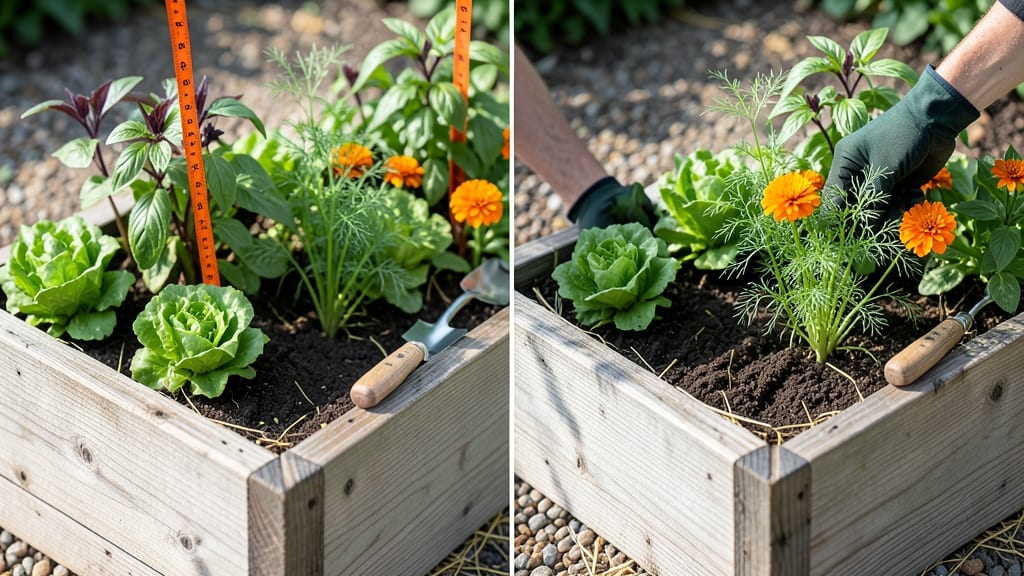
Determining garden bed height depends on your plants' root depth—6 to 12 inches works for most vegetables and herbs, while root crops like carrots and potatoes need deeper beds (12-18 inches). Raised beds typically hit 10-12 inches for better drainage and root space.
Getting the bed height right isn't just about space—it's about creating the perfect environment for your plants. 🌱 Shallow beds (6-8 inches) work well for leafy greens and strawberries, where roots don't need much depth but benefit from frequent moisture.
On the other hand, deeper beds (12-18 inches) give root vegetables like parsnips and beets the room they need to grow fully without becoming stunted. I've found that 10-12 inches strikes the best balance for most raised beds, preventing soil compaction while keeping weeds at bay.
Another key factor is soil quality. Deeper beds allow for better aeration and root penetration, which is especially important in heavy clay soils. Raised beds also warm up faster in spring, giving you an earlier planting window.
However, if you're working with in-ground beds, consider amending the soil with compost to improve drainage and nutrient availability—this can sometimes compensate for shallower depths.
💡 In This Article
- How Root Depth and Soil Quality Determine Ideal Garden Bed Height
- Choosing the Right Garden Bed Height for Different Plant Types
How root depth and soil quality determine ideal garden bed height
The science behind garden bed height starts with your plants' root systems. Shallow-rooted plants like lettuce or strawberries thrive in beds just 6-8 inches deep, where their fibrous roots can spread horizontally to absorb moisture and nutrients efficiently.
These plants prioritize quick access to surface-level water over deep soil penetration. 🌱 Meanwhile, deep-rooted crops like carrots or potatoes need beds at least 12-18 inches to accommodate their taproots, which can extend 12-16 inches below the soil surface.
Soil aeration plays a critical role in why deeper beds perform better. When roots penetrate deeper, they encounter less compacted soil with higher oxygen levels—essential for microbial activity that breaks down organic matter into plant-available nutrients.
In 12-inch raised beds, for example, the soil profile stays loose and well-drained, reducing the risk of waterlogging that stunts root growth. Shallower beds (6 inches) retain moisture longer but may become waterlogged in clay-heavy soils, suffocating roots.
Moisture retention also shifts with bed height. Shallow beds dry out faster, requiring more frequent watering but preventing deep-rooted weeds. Deeper beds maintain moisture longer, which is crucial for drought-prone areas.
I've noticed that 10-12 inch raised beds strike the perfect balance—draining excess water while retaining enough moisture for most vegetables without requiring constant irrigation. 💧 The trade-off? Deeper beds need more initial soil volume and compost to maintain fertility.
Microbial activity thrives in deeper, well-aerated soil profiles. The top 6 inches of soil contains the highest concentration of beneficial bacteria and fungi, but deeper layers (down to 12 inches) host specialized microbes that help break down organic matter.
This is why composting deeper beds yields better long-term soil health. For instance, planting asparagus in a 16-inch deep bed gives its crowns room to establish robust root systems that can live for decades.
One often-overlooked factor is soil warming. Raised beds—especially those 10-12 inches high—absorb and retain heat from sunlight, creating a warmer microclimate that extends the growing season. This is particularly valuable for cool-season crops like peas or spinach.
In contrast, in-ground beds may stay cooler, delaying germination. The height difference of just 4-6 inches can mean the difference between a spring planting and a summer harvest. 🌞
For container gardening or urban spaces, consider that even 6-inch deep beds can work if you choose the right plants. Herbs like basil or thyme adapt well to shallower depths, while dwarf varieties of tomatoes or peppers thrive in 10-inch containers.
The key is matching the plant's natural root zone to your bed's depth—no guesswork needed!