
Tools
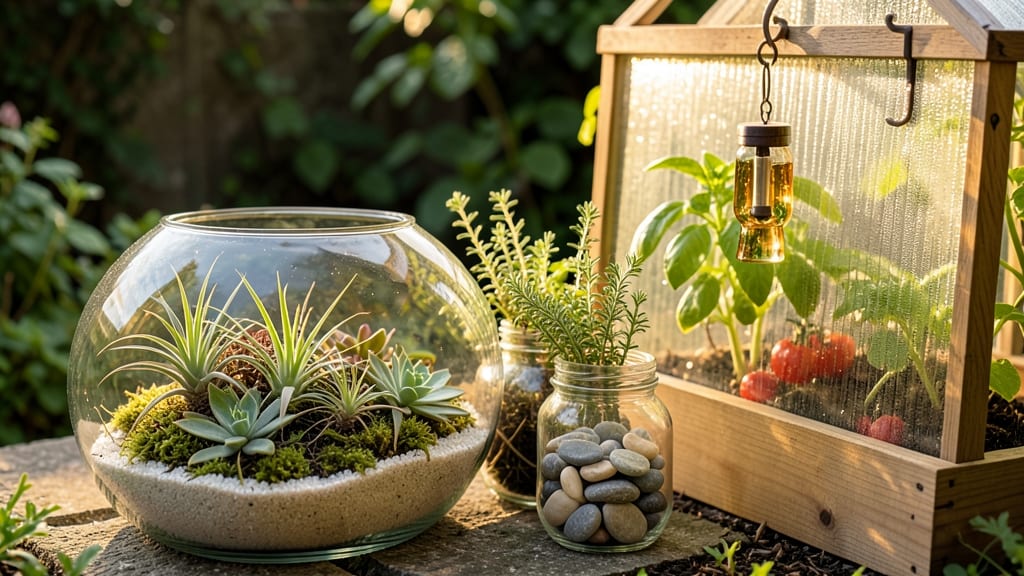
Incorporating glass into garden design transforms outdoor spaces with sleek aesthetics and practical elements, but proper placement is essential to avoid plant damage or safety hazards. Choose shatter-resistant materials like tempered or recycled glass and always secure them with sturdy edging or barriers.
Glass can elevate your garden's visual appeal while serving functional roles like pathways or planters. 🌿 The key is selecting the right type—tempered glass won't shatter easily, while recycled pieces add eco-friendly charm.
I've seen stunning results using glass as decorative borders or even as a base for raised beds, but always anchor it securely to prevent shifting or breakage over time.
For pathways, crushed glass creates a durable, colorful surface that drains well, though it requires regular maintenance to keep weeds at bay. When using glass in planters or trellises, consider etched designs to diffuse sunlight and protect plant roots from overheating.
The versatility of glass makes it perfect for both modern and rustic garden styles, as long as you prioritize safety and stability.
💡 In This Article
- How to Safely Incorporate Glass Decor in Garden Landscapes
- Creative Garden Glass Projects for Planters and Pathways
How to safely incorporate glass decor in garden landscapes
Glass in garden design starts with material selection—tempered glass is your safest bet because it's up to 4-5 times stronger than annealed glass and shatters into small, dull cubes rather than sharp shards.
This property makes it ideal for garden borders or pathways where accidental breaks could harm wildlife or pets. Recycled glass, often ground into granules, offers an eco-friendly alternative that diffuses sunlight beautifully while suppressing weeds when used as mulch.
The key is avoiding raw glass edges—always opt for pre-treated pieces or those with smooth, etched finishes that reduce light reflection and protect plant roots from overheating.
Installation begins with ground preparation. For pathways, lay down a 2-inch compacted gravel base before adding glass pieces to prevent shifting. Secure decorative glass elements with landscape edging (like metal or plastic strips) or brick pavers—this keeps them in place while allowing water drainage.
When using glass in raised beds or planters, place it at least 4 inches below soil level to minimize root exposure to sharp edges. A geotextile fabric layer between glass and soil adds an extra barrier against root intrusion while maintaining drainage.
Light plays a critical role in glass placement. Direct sunlight can create heat pockets that damage plant roots, especially in clear glass. Etched or frosted glass scatters light more evenly, reducing this risk while adding visual texture.
For glass trellises or decorative screens, consider angled installations (30-45 degrees) to deflect harsh rays. In shaded areas, glass can safely serve as decorative accents without temperature concerns, making it perfect for understory plantings or as borders for perennial beds.
Safety extends beyond material choice—weight distribution matters too. Heavy glass pieces (like mosaic tiles) should be anchored with concrete adhesive or landscape pins to prevent wind or animal movement. For freestanding glass structures, like sculptures or obelisks, use sand-filled bases or metal stakes buried 6-8 inches deep for stability.
Always test installations during rain events to check for water pooling—glass should slope slightly to avoid standing water that could erode soil or attract pests.
Wildlife interaction is another critical factor. Glass surfaces can reflect light in ways that disorient insects or small animals. Textured or patterned glass (like sea glass or mosaic pieces) breaks up reflections more effectively than smooth surfaces.
If using glass near birdbaths or water features, position it at least 3 feet away to prevent birds from mistaking reflections for predators. For ground-level applications, crushed glass mulch (with particle sizes under 1/4 inch) poses minimal risk to burrowing creatures while enhancing drainage.
Regular maintenance keeps glass safe and functional. Inspect glass elements seasonally for cracks or loose pieces, especially after freeze-thaw cycles. Replace any damaged sections immediately—even small breaks can become hazards. For pathways, sweep regularly to remove debris that could create tripping hazards, and replenish crushed glass as it settles.
With proper care, glass can remain a decade-long decorative asset that enhances your garden's aesthetic without compromising safety.