
Size
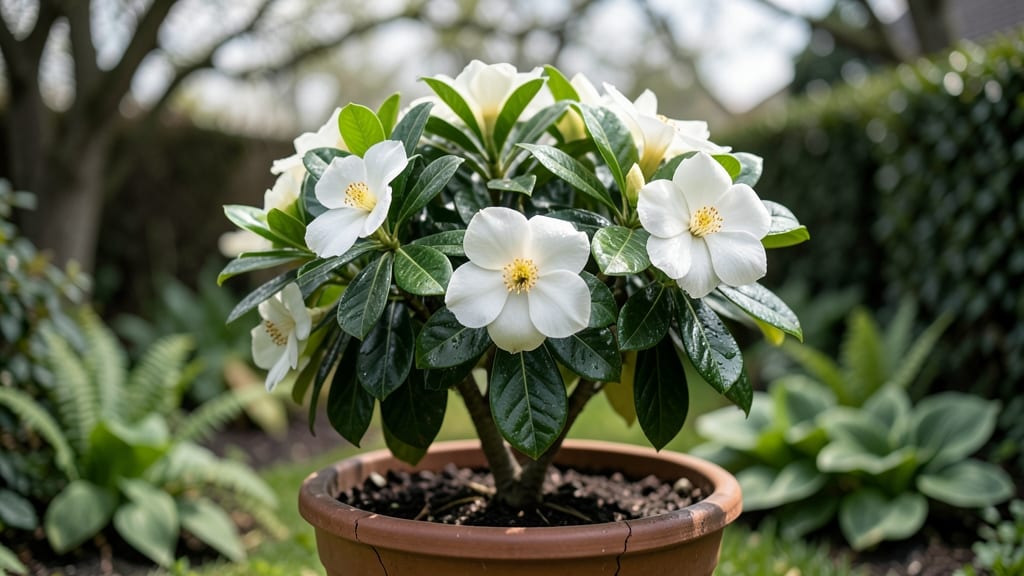
Gardenias grow between 3 and 6 feet tall at maturity, but their exact height depends on the variety—some stay compact while others reach shrub-like proportions.
Picture this: a fragrant 🌸 gardenia bush towering over your patio, or a dwarf variety tucked into a container on your balcony. The difference isn’t just aesthetics—it affects where you plant them, how you prune, and even whether they’ll thrive in your space.
Standard gardenias like ‘Kleim’s Hardy’ hit 4 to 6 feet, making them perfect for hedges, while dwarf varieties like ‘Radicans’ max out at 2 to 3 feet, ideal for containers or small gardens.
Regional climates can also nudge growth upward or downward—cooler zones like USDA 6a may see slightly slower growth, while warmer areas can encourage taller, bushier plants.
Below, I’ll break down how to manage their size—whether you want to keep them compact, shape them into a hedge, or let them grow wild for maximum fragrance. You’ll also find pruning tips to control height without sacrificing those intoxicating blooms.


Gardenia height ranges by common variety (with mature sizes)
If you're planning your garden layout or choosing a gardenia for your patio, knowing the mature height of each variety is essential. Gardenias range from compact dwarf types to tall shrubs reaching 10 feet—and everything in between.
The right variety ensures your gardenia thrives in its space while getting the sunlight and airflow it needs to bloom abundantly.
Most gardenias grow as evergreen shrubs with glossy leaves, but their growth habits differ. Some varieties stay low and bushy, perfect for borders or containers, while others grow upright and tall, ideal for hedges or focal points.
I’ll break down the most popular varieties, their mature heights, and how to space them for healthy growth.
For container gardening, choose dwarf varieties like 'Mystery' or 'Little Gem', which thrive in pots as long as they get partial shade and well-draining soil.
These compact types rarely exceed 3 feet, making them perfect for balconies or patios. Just ensure your container has drainage holes to prevent root rot.
If you're aiming for a privacy screen or hedge, taller varieties
How to control gardenia height through pruning (step-by-step guide)
Pruning your gardenia isn't just about keeping it looking neat—it's the key to controlling its height and encouraging healthy blooms. Since gardenias can grow between 3 to 6 feet depending on the variety, strategic pruning helps maintain your desired shape while preventing overgrowth.
The best time to prune is right after the flowering season, typically in late summer or early fall, when new growth has started but before winter dormancy.
Before you begin, gather your tools: clean, sharp pruners, rubbing alcohol (to sterilize cuts), and gardening gloves. Avoid pruning in spring, as this can remove potential flower buds that form in late winter.
Always prune just above a leaf node or outward-facing bud to encourage growth in the direction you want. Never cut into old wood, as gardenias struggle to regrow from there.
- Step 1: Inspect the plant – Look for dead, diseased, or crossing branches that block airflow or sunlight. Remove these first to improve plant health.
- Step 2: Shape the canopy – Trim overly long branches to create an open, rounded shape. Aim to reduce height by no more than 1/3 in a single pruning session.
- Step 3: Encourage bushiness – Cut back taller central stems to promote side shoots. Make cuts at a 45-degree angle just above a leaf node.
- Step 4: Sterilize tools – Wipe pruners with rubbing alcohol between cuts to prevent spreading bacterial or fungal infections.
- Step 5: Fertilize lightly – After pruning, apply a balanced fertilizer (10-10-10) to support new growth. Water thoroughly to help recovery.
- Step 6: Monitor for regrowth – In 4-6 weeks, you should see new shoots emerging. If not, check for underwatering or poor soil conditions.
One common mistake is pruning too late in the season, which can leave your gardenia vulnerable to cold damage before it has time to recover. Another is cutting back too aggressively, which can shock the plant and reduce next year's flower production.
If you're growing a dwarf variety like 'Radicans', minimal pruning is needed—just remove spent blooms to encourage more flowers.
For container-grown gardenias, pruning is even more critical since space is limited. Use container-specific pruning to maintain a compact shape and prevent the plant from becoming root-bound. Always prune after flowering to avoid cutting off potential buds for the next season.
With the right technique, you can keep your gardenia at your desired height while enjoying a bountiful bloom every year.
Remember, gardenias respond well to gentle, regular pruning. Over time, you'll develop a feel for how much to trim based on your plant's growth habits. If you're unsure, start conservatively and adjust in future pruning sessions.
With patience and practice, your gardenia will thrive at the perfect height for your garden or patio.