
Tools
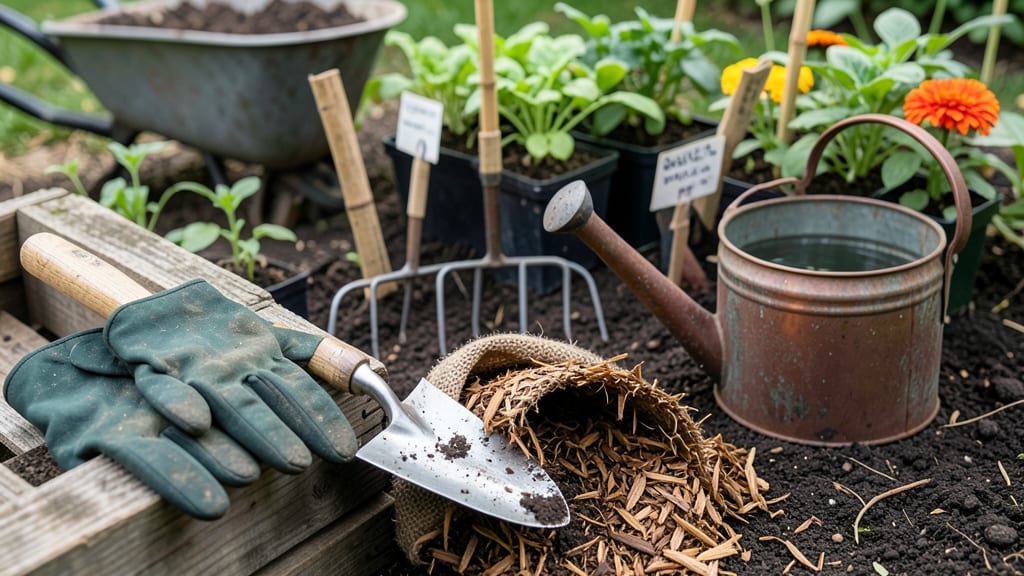
To start a garden in your backyard, begin by evaluating your space for sunlight exposure, preparing the soil with organic compost, and choosing beginner-friendly plants like leafy greens or herbs. Plan a simple layout that matches your available area and budget, starting with small, manageable sections to build confidence.
Starting a backyard garden feels overwhelming at first, but breaking it down into manageable steps makes it achievable. 🌱 First, observe your yard's sunlight patterns—most vegetables need 6+ hours of direct sun, while herbs like basil thrive in partial shade.
Test your soil's pH (aim for 6.0-7.0) using a simple kit from garden centers, and amend it with compost if needed. For beginners, raised beds or container gardening reduce back strain and give you better control over soil quality—plus, they're easier to customize for your plants' needs.
Don't let budget concerns hold you back. Many nurseries offer discounted seedlings at the end of the season, and seed packets from reputable brands like Baker Creek or Burpee often yield more plants than you'd expect.
Repurpose old buckets, pallets, or even shoe organizers as planters, and collect kitchen scraps in a simple compost bin to cut costs further. Starting small with 5-10 plants prevents burnout while letting you experiment with what grows best in your space.
💡 In This Article
- Essential Steps for Backyard Garden Planning
- Budget-Friendly Backyard Gardening Tips
Essential steps for backyard garden planning
Sunlight is the foundation of any successful garden—plants convert light into energy through photosynthesis, and the wrong exposure can stunt growth or kill your crops. Most vegetables need 6-8 hours of direct sunlight daily, while leafy greens like lettuce tolerate 4-6 hours.
Use a simple trick to measure: Place a white board in your yard for a week and mark the sun's shadow every hour. If your space gets less than 4 hours, consider shade-tolerant herbs like mint or parsley instead.
Soil quality directly impacts plant health—ideal backyard soil should be loose, well-draining, and rich in organic matter. Test your soil's pH with an affordable kit (available for $10-$15), aiming for 6.0-7.0 for most vegetables.
If your soil is too dense, mix in 2-3 inches of compost or aged manure before planting. For example, clay soil (common in many backyards) can be transformed by adding 50% sand and 50% compost to improve drainage and aeration.
Layout matters just as much as sunlight and soil. Raised beds (typically 4x8 feet) are beginner-friendly because they warm up faster in spring and reduce weeds, while in-ground gardens require more soil prep.
For small spaces, use vertical gardening with trellises—tomatoes and cucumbers thrive when grown upward, saving precious ground space. Always include 12-18 inches of walking space between rows for easy access and maintenance.
Don't overlook drainage—waterlogged roots suffocate plants. If your yard has poor drainage, create mounds or raised beds to prevent pooling. For container gardens, ensure pots have drainage holes and use a lightweight potting mix designed for containers.
The right layout also minimizes water waste: group plants with similar water needs together (e.g., basil and tomatoes) to simplify irrigation.
Seasonal timing is another critical factor. Cool-season crops like spinach or peas should be planted 4-6 weeks before your last frost date, while warm-season plants like peppers need soil temperatures above 60°F.
Check your local USDA hardiness zone to align planting with your climate. For example, Zone 5 gardeners might start tomatoes indoors in March, while Zone 9 gardeners can plant directly in February.
Finally, plan for future growth—leave room for plants to mature. A tomato plant can reach 5-6 feet tall with proper support, while pumpkins spread 10+ feet wide.
Sketch a simple layout on paper first, labeling each section with plant types and spacing requirements. This step prevents overcrowding and makes harvesting easier later on.