
Advice
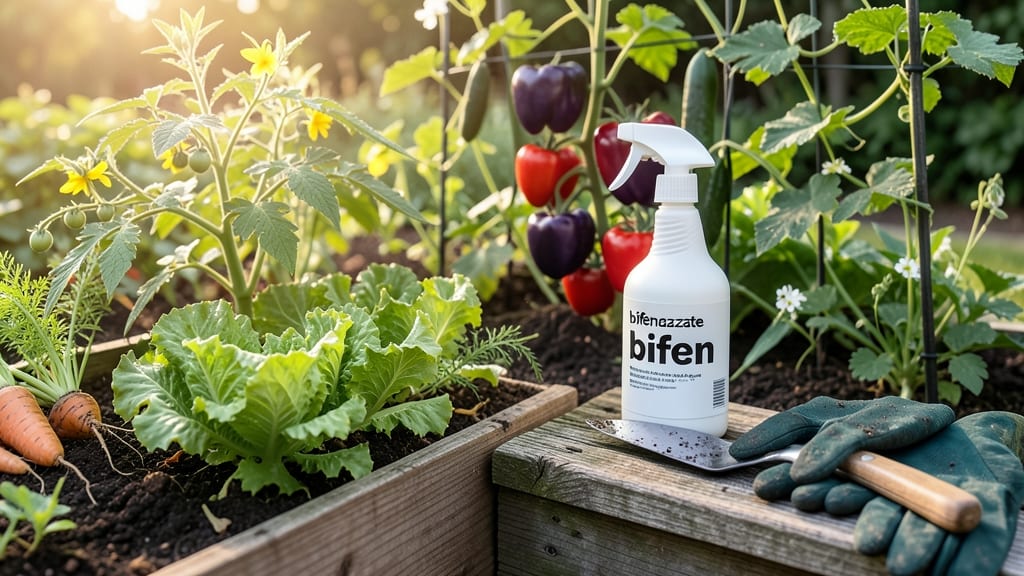
Bifen (bifenthrin) is not safe for vegetable gardens because it leaves neurotoxic residues that can contaminate edible crops and harm pollinators like bees and butterflies.
This synthetic pesticide is classified as a neurotoxin, meaning it disrupts nervous systems in both pests and beneficial insects. 🔥 The EPA restricts its use near food crops, and studies show residues can linger in soil for months, posing risks to organic certification.
For edible gardens, I recommend switching to organic options like neem oil or insecticidal soap, which target pests without harming your harvest or the ecosystem.
Neem oil, for example, works as both a repellent and growth inhibitor for many garden pests while being completely safe for humans and wildlife when used properly. Pyrethrin-based sprays offer another effective alternative, derived from chrysanthemum flowers, though they should be reapplied more frequently than chemical options.
💡 In This Article
- Health Risks of Bifen in Edible Gardens
- Best Organic Pest Control Alternatives for Vegetable Gardens
Health risks of bifen in edible gardens
Bifen (bifenthrin) works by targeting the nervous systems of insects, disrupting their sodium channels to cause paralysis and death. This neurotoxic mechanism is highly effective against pests like aphids and beetles but poses serious risks to humans when residues remain on edible crops.
Studies show bifenthrin can linger in soil for up to 12 months, contaminating root vegetables and leafy greens through uptake during growth.
The Environmental Protection Agency (EPA) has classified bifenthrin as a Class II moderately hazardous pesticide due to its potential for acute toxicity, especially to children and pregnant women.
A 2019 study in Environmental Health Perspectives found that even low-level exposure could affect cognitive development in young children, making it particularly dangerous near vegetable gardens where produce is consumed raw.
Pollinators like bees and butterflies are especially vulnerable to bifenthrin. A 2018 Harvard University study demonstrated that exposure to bifenthrin reduced bee colony survival by 40% due to impaired navigation and memory.
Since many vegetable gardens rely on these insects for pollination, using bifenthrin creates a vicious cycle: you kill pests but destroy the very creatures needed for future harvests.
Organic gardeners face additional challenges because bifenthrin residues can invalidate USDA Organic certification for up to three years. The compound's persistence means it can cross-contaminate neighboring organic plots through water runoff or soil particles, creating long-term barriers to sustainable farming practices.
Even when used according to label instructions on ornamental plants, bifenthrin's volatility means it can drift onto vegetable gardens via wind or water.
A 2020 study in the Journal of Pesticide Science found detectable bifenthrin residues 50 feet away from treated areas, highlighting how easily this pesticide can become an unintended hazard for edible crops.
For gardeners prioritizing food safety, the risks simply outweigh any short-term pest control benefits. The neurotoxic effects, soil contamination potential, and harm to pollinators create a triple threat that makes bifenthrin fundamentally incompatible with vegetable gardening—especially when safer organic alternatives exist.