
Planting
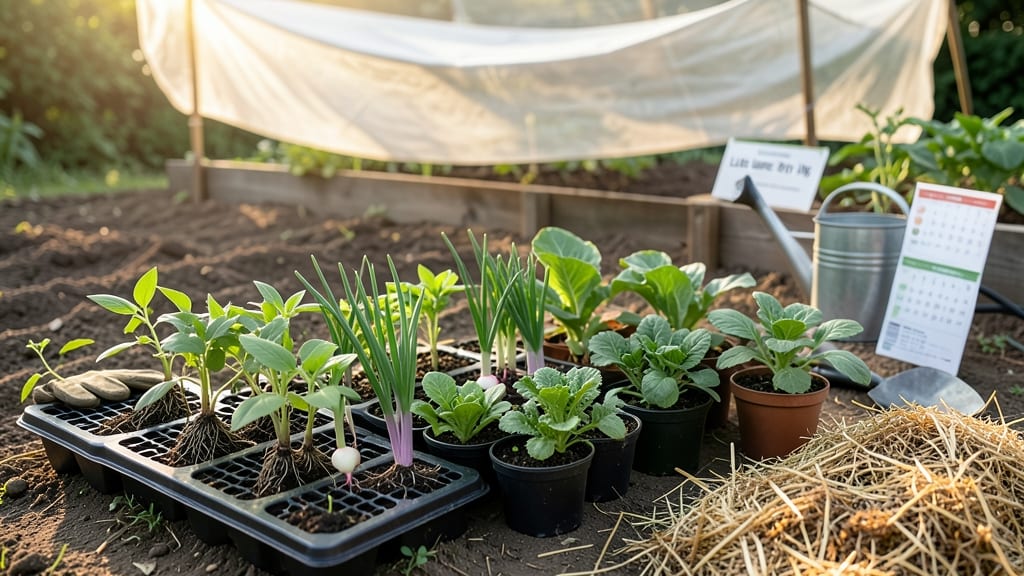
Planting a garden in June is too late for many crops, but it’s not impossible if you choose the right varieties and adjust for your climate—cool-season greens like lettuce and spinach can still grow with proper shade, while warm-season favorites (tomatoes, peppers) need consistent heat to thrive. Always verify your last frost date and soil temperature before planting.
June gardening isn't too late if you focus on heat-loving crops like beans, cucumbers, and basil, which actually prefer warmer soil. 🌱 For cooler plants, extend your season with shade cloth or opt for quick-maturing varieties.
I've found that mulching helps retain moisture and keeps roots cool during peak summer heat—critical for preventing wilting in new transplants.
Your success depends on two key factors: soil temperature (ideally 60°F+ for warm-season crops) and afternoon shade. Many gardeners swear by drip irrigation systems to prevent water stress, especially when daytime temps climb above 85°F. Even in June, you can still enjoy a productive garden with the right planning!
💡 In This Article
- June Planting Deadlines by Crop Type
- Late-Summer Gardening Tips for June Success
June planting deadlines by crop type
June planting isn't one-size-fits-all—it depends entirely on whether you're growing warm-season or cool-season crops. Warm-season plants like tomatoes, peppers, and cucumbers actually prefer June's heat and can handle soil temperatures up to 90°F, but they need consistent warmth from the start.
Cool-season crops like lettuce, spinach, and kale, however, will bolt (go to seed prematurely) in summer heat unless you provide afternoon shade or choose heat-tolerant varieties like 'Black Seeded Simpson' lettuce, which can handle 75°F daytime temps better than standard varieties.
The science behind this involves photoperiodism—the plant's response to daylight length. Warm-season crops evolved to thrive in long summer days (14+ hours of light), while cool-season crops trigger flowering when days shorten.
In June, most regions experience 14.5-16 hours of daylight, which is perfect for tomatoes but disastrous for broccoli. 🌡️ What's often overlooked is how elevation affects these windows: gardens at 3,000+ feet may have 5-10°F cooler soil temps than sea-level locations, potentially extending cool-season planting by 2-3 weeks.
Your local frost dates are the first reference point, but soil temperature is more critical. Use a soil thermometer to check depths of 2-4 inches—warm-season crops need 60°F+ consistently, while cool-season crops prefer 50-65°F.
I've seen gardeners in Zone 7 plant basil in early June when soil hit 68°F, only to have it wilt when afternoon temps reached 95°F—the key was adding a 30% shade cloth during peak sun hours to maintain leaf temps below 85°F.
Here's a quick crop-by-crop breakdown of June viability:
- Warm-season winners: Okra (90°F+ soil), sweet potatoes (80°F+), and southern peas—these actually prefer June's heat and will outperform spring plantings.
- Cool-season workarounds: Radishes (60°F+ soil) and bush beans can tolerate summer if planted with 50% shade during 11am-3pm.
- Avoid in June: Carrots, beets, and cabbage families—these need cooler soil (55-65°F) to prevent bitter flavors and poor growth.
Microclimates create opportunities too. South-facing garden beds get 20% hotter than north-facing ones, making them ideal for heat-lovers like eggplant. Meanwhile, raised beds warm up 2-3°F faster than in-ground soil, potentially giving you a 10-day head start on planting warm-season crops compared to traditional beds.
What most people don't realize is that some crops actually prefer June planting because they avoid common pests that thrive in spring. For example, cucumbers planted in late May often battle cucumber beetles, but June plantings miss the first generation of these pests, resulting in healthier vines and higher yields.
The trade-off? You'll need to monitor for squash vine borers, which become active in July—preventative measures like row covers can make June plantings just as productive as spring ones. 🌿