
Advice
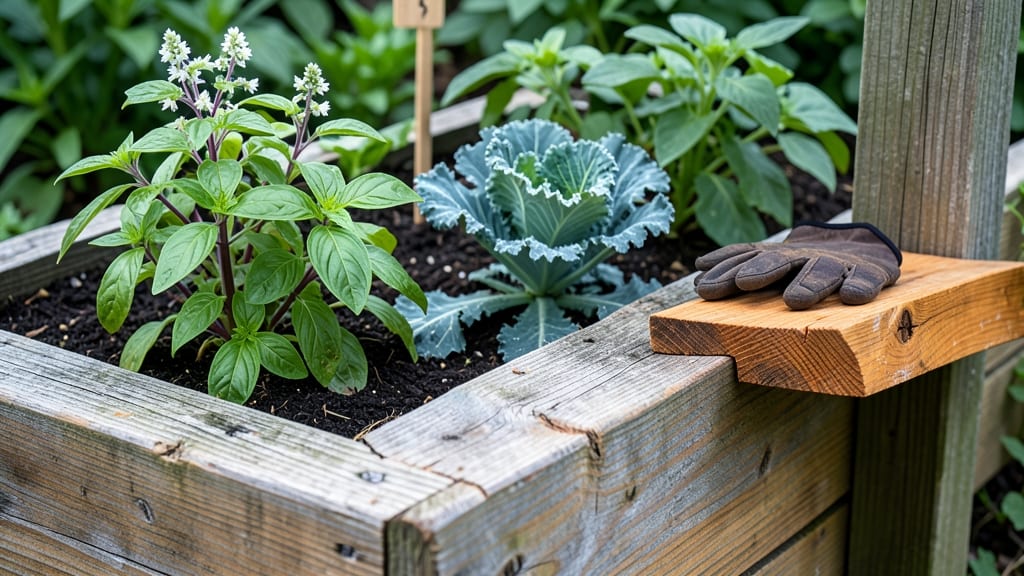
Treated lumber is not safe for gardens because chemical preservatives like chromated copper arsenate (CCA) or alkaline copper quaternary (ACQ) can leach into soil, poisoning plants, pets, and humans over time. Always choose untreated wood or garden-specific materials instead.
These preservatives are designed to resist decay, but they don’t stay put in the ground. 🌱 Over time, chemicals like arsenic (in older CCA-treated wood) or copper compounds (in ACQ) seep into soil, where they accumulate and disrupt plant growth.
Even "safer" modern treatments may contain high levels of copper, which can alter soil pH and inhibit nutrient uptake in vegetables. The risks extend beyond plants—pets digging near treated wood beds or children playing in contaminated areas face direct exposure hazards.
For garden projects, opt for naturally rot-resistant woods like cedar or redwood, which contain their own preservatives without toxic side effects.
If you must use pressure-treated lumber for structural purposes, seal it with non-toxic linseed oil or paint it with a garden-safe sealant to create a barrier between the wood and soil.
Always check product labels for "ACQ" or "MCQ" stamps—these indicate lower-toxicity options, but they’re still not ideal for direct garden contact.
💡 In This Article
- Chemicals in Treated Lumber and Their Effects on Plants
- Safe Wood Alternatives for Garden Projects
Chemicals in treated lumber and their effects on plants
Pressure-treated lumber contains chemical preservatives like chromated copper arsenate (CCA), alkaline copper quaternary (ACQ), or micronized copper quaternary (MCQ), all designed to repel insects and fungi. The problem? These chemicals don't stay put.
Over time, they leach into surrounding soil through rainwater or irrigation, creating a toxic environment for plants. For example, CCA-treated wood releases arsenic—a known carcinogen—while ACQ releases high copper levels that can build up in soil to 20-50 parts per million (ppm), far exceeding safe plant exposure thresholds.
Plants absorb these chemicals through their roots, leading to stunted growth, leaf discoloration, or even death.
Copper buildup, in particular, disrupts nutrient absorption by blocking iron and zinc uptake, causing yellowing leaves (chlorosis) in vegetables like tomatoes and peppers. 🌱 Even ornamental plants suffer—petunias and marigolds near treated wood may show deformed flowers or weak stems.
The Environmental Protection Agency (EPA) warns that copper levels above 15 ppm can harm soil microbes essential for plant health, reducing biodiversity and long-term garden fertility.
Leaching isn't instant—it's a gradual process influenced by soil pH, moisture, and temperature. In sandy soils, chemicals spread faster (within 1-2 years) than in clay soils. Warm climates accelerate leaching due to increased microbial activity breaking down wood fibers.
This is why raised garden beds made from treated lumber can become hazardous over time, even if initially safe. The risk extends to pets: dogs digging near treated wood may ingest arsenic-contaminated soil, leading to gastrointestinal issues or long-term organ damage.
Modern treatments like ACQ are "safer" than CCA because they lack arsenic, but they still contain high copper concentrations. The EPA allows ACQ-treated wood to be used in vegetable gardens only if buried 6 inches deep or more—a depth most DIY gardeners avoid.
Copper's persistence in soil means it can remain toxic for 5-10 years after the wood decomposes. For comparison, a single 4x4 post can contaminate a 10-square-foot garden area over 5 years, making it a silent threat to homegrown produce.
Beyond plants, these chemicals harm beneficial insects like bees and earthworms. Copper disrupts their nervous systems, reducing soil aeration and nutrient cycling. In one study, soil near ACQ-treated lumber showed 40% fewer earthworms after 3 years, directly impacting garden productivity.
The visual signs—wilting plants, stunted growth, or unexplained soil discoloration—often appear long after exposure begins, making the connection to treated wood difficult to trace.
What most gardeners don't realize is that even "old" treated lumber isn't safe. While arsenic levels in CCA-treated wood may decrease over decades, copper remains stubbornly present. A 2018 study found that 90% of copper from ACQ-treated wood leached into soil within 5 years, with no significant reduction afterward.
This persistence means every garden project using treated lumber carries a long-term legacy of chemical contamination.